
Last updated November 16, 2026
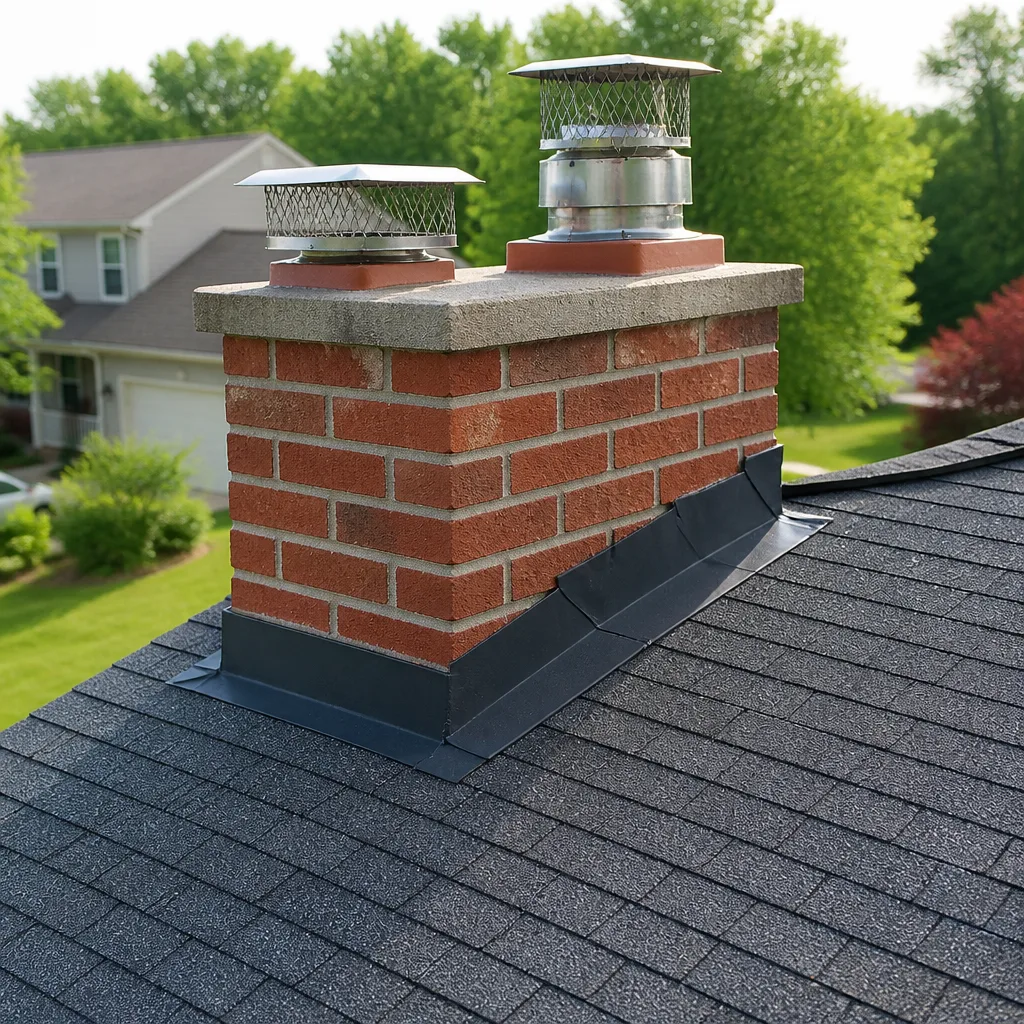 Sweep & inspection
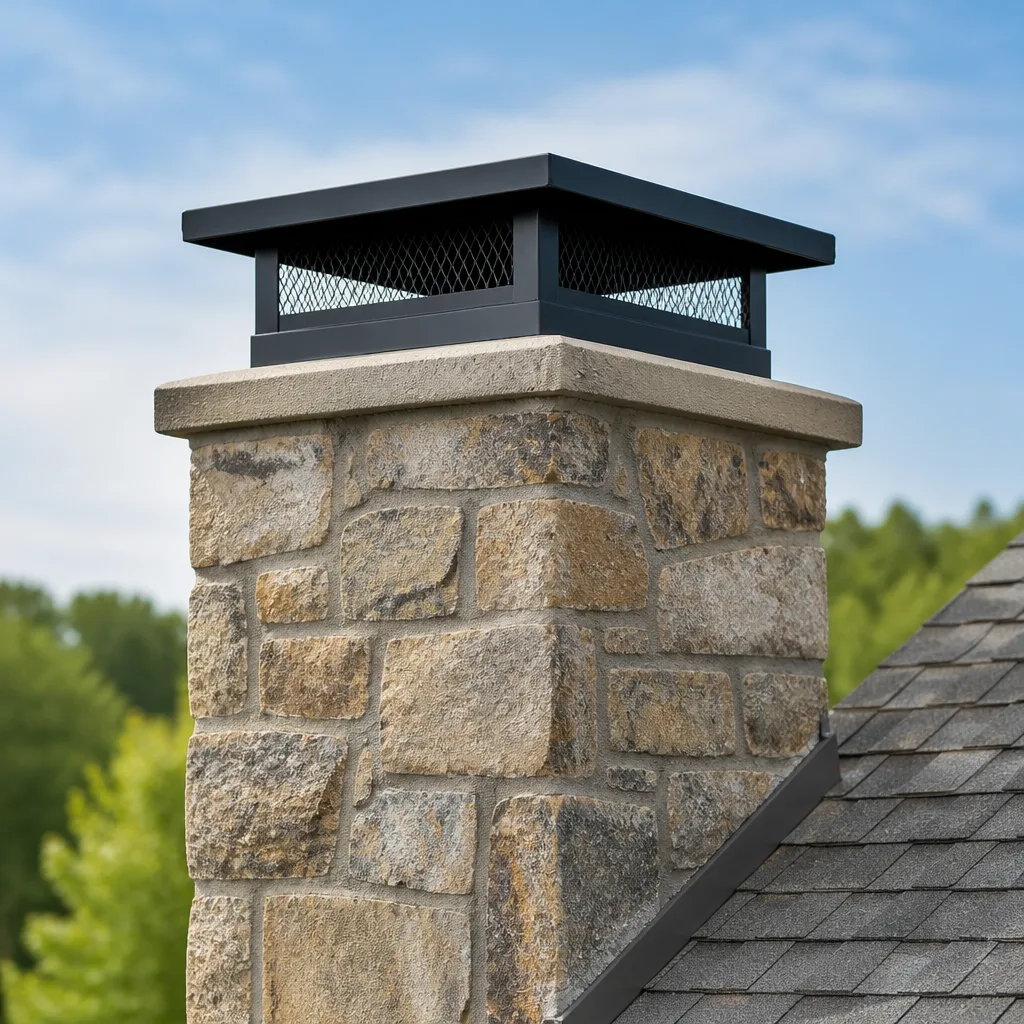 Caps & crowns
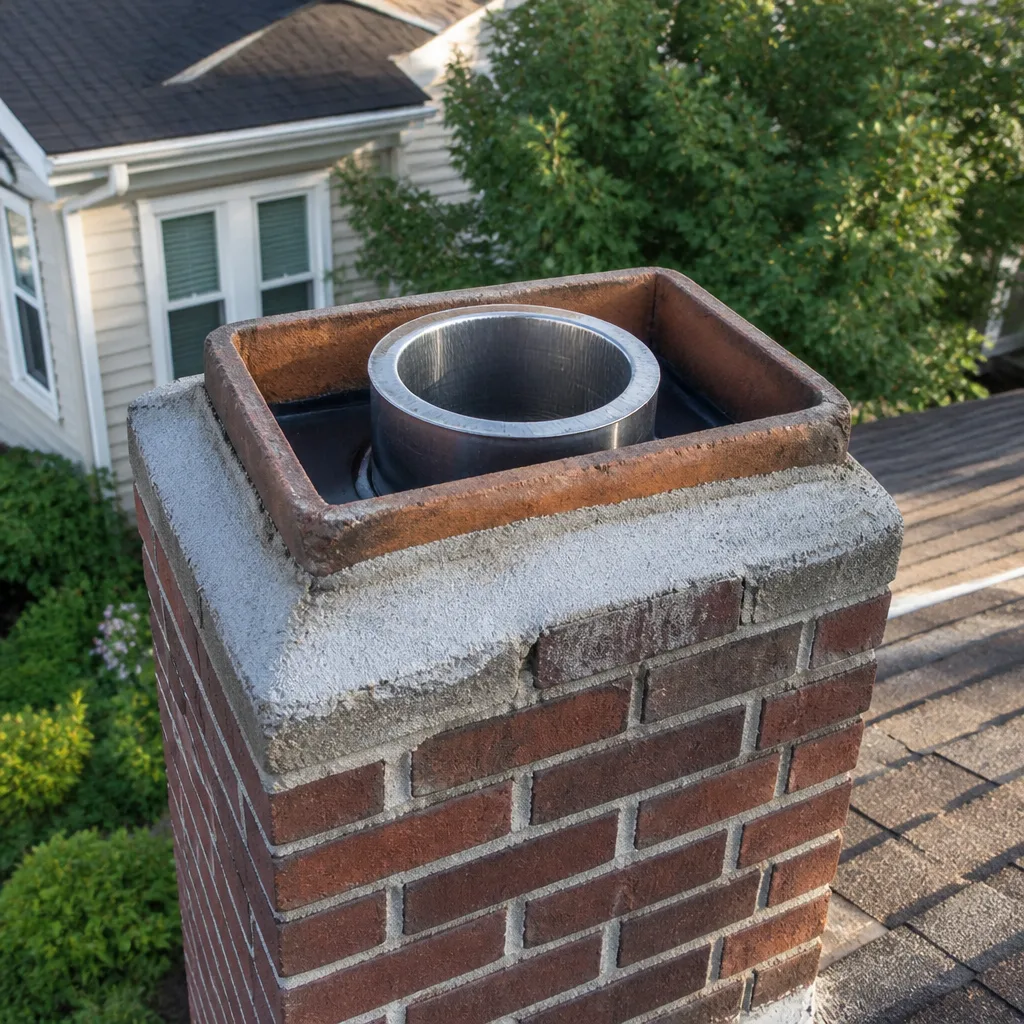 Flue relining
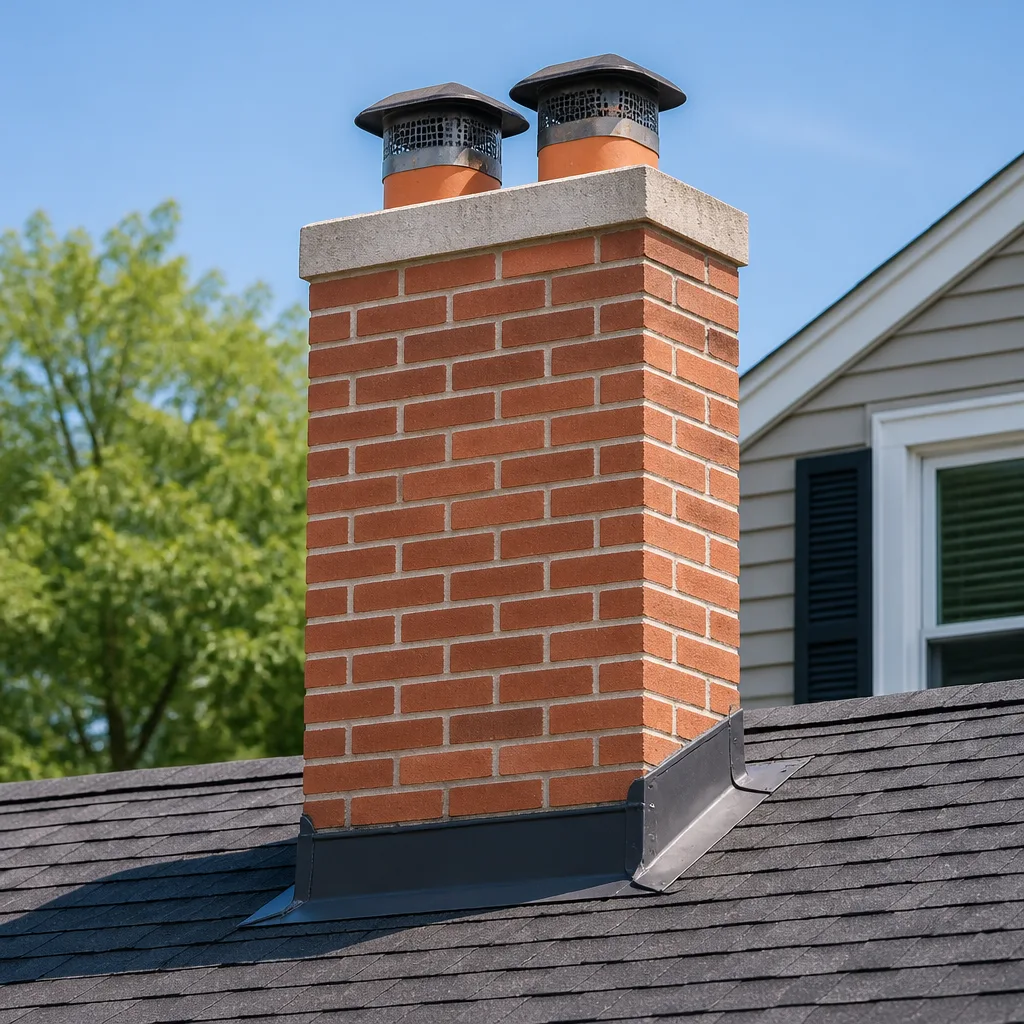 Masonry repair
 Gas fireplace service
Level 1 sweep and inspection to the NFPA 211 annual standard - flue, crown, cap, and flashing checked and photographed
Chimney sweep logs do not sweep chimneys. They loosen some creosote - which then falls where a brush and vacuum still have to collect it.
Choosing the Right Chimney Cleaning Brand: A Buyer’s Guide for Chico
A sweep can smear a little sealant on a cracked crown and call it repaired. It might even last a winter or two. But ask that sweep for the manufacturer’s written warranty on the product they just applied, and watch what happens next. That paperwork is what an insurance adjuster asks for after a flue fire, and it’s the difference between a fix and a guess. The brand of product a contractor recommends matters as much as how well they sweep. This guide walks through what the professional-grade system brands actually do differently, how to read a liner proposal, and what a proper installation record should contain – so Chico homeowners can evaluate a recommendation instead of just accepting it.
Quick Answer
The right chimney repair brand is the one whose product carries a recognized listing (UL or ASTM), is rated for the fuel you burn, and comes with a written manufacturer’s warranty you can file. In Chico, that usually means a professional-grade system such as a DuraFlex flexible liner, HeatShield Cerfractory resurfacing, or a fitted Famco or Copperfield cap – not a hardware-store patch. Ask for the product name, the listing, and the warranty in writing before you approve any repair.
Styles & brands we work with
- Sweep & inspection
- Caps & crowns
- Flue relining
- Masonry repair
- Gas fireplace service
Table of Contents
- Why the Brand Behind a Repair Matters More Than the Repair Itself
- Repair-Grade Products vs. Hardware-Store Alternatives
- How to Read a Liner Specification: “UL Listed” and “Listed for Fuel Type”
- Caps and Chase Covers: Gauge, Warranty, and Why They Distinguish a Real Fix
- Damper Systems: Top-Mount vs. Throat-Mount for a Chico Flue
- How to Verify the Contractor Installed the Brand They Quoted
- The Right Liner for Your Flue: Flexible Systems and Offset Chimneys
- Building the Paper Trail: What a Proper Installation Record Contains
Why the Brand Behind a Repair Matters More Than the Repair Itself
The sweep report is the easy part. Anyone with a brush and a camera can tell you the flue tile is spalled or the crown is cracked. The hard part is what comes next. That’s where a recommendation gets made – and where the difference between a generic fix and a specification-grade product becomes the only thing that actually matters to your wallet over the next decade.
A system product isn’t just a more expensive version of the same thing. It’s a tested assembly. HeatShield Cerfractory, for instance, is a resurfacing material engineered to restore damaged flue tile from the inside and carries a manufacturer’s warranty tied to the certified installer who applied it. A generic refractory cement from a hardware store does the same visual job with none of the testing, none of the certification, and none of the paperwork. When you sell a house or file an insurance claim in Chico, that paperwork is what a buyer’s inspector or an adjuster will ask for. A written warranty from a named manufacturer holds weight. A verbal “it’ll be fine” doesn’t.
The same principle runs through every part of the system. Flexible liner brands like DuraFlex are tested as complete assemblies with their own connectors and top plates. Generic stainless coil sold by the foot is not. Fitted caps from Famco and Copperfield are stamped, sized, and warranted. Sheet-metal improvisation from a roll of flashing is not.
This doesn’t mean every job needs a premium product. A basic sweep and a clean bill of health need nothing at all. But when the sweep reveals damage and a recommendation follows, the brand behind that recommendation is the single most useful thing you can evaluate. The rest of this guide shows you how.
Repair-Grade Products vs. Hardware-Store Alternatives
Repair-grade chimney products are engineered, tested, and certified to a specific standard – usually UL or ASTM – and are sold only through trained installers. Hardware-store alternatives are cheap, unbranded, untested, and carry no meaningful warranty. The two look similar on a shelf. They are not the same product, and they don’t perform the same way in a heated flue.
Here’s what separates them:
- Certification: A repair-grade liner or resurfacing material has a documented listing to a recognized standard (UL 1777 for liners, ASTM C-1289 for refractory mortar, for example). A hardware-store patch has none. That listing number appears on the product, in the spec sheet, and on the manufacturer’s website.
- Fuel-type rating: A repair-grade product is explicitly rated for wood, gas, oil, or pellet. A generic product often isn’t rated for anything specific. This matters because the temperatures and byproducts differ hugely between fuel types.
- Written warranty: A named manufacturer warrants their product for a defined period, often in writing to the original homeowner. A hardware-store product carries a packaging warranty at best, and often nothing at all.
- Installer certification: HeatShield, for example, is only warrantied when installed by a certified applicator. The certification is what makes the warranty real. That’s why the applicator’s qualification matters as much as the product name.
- Traceability: A repair-grade product has a lot number, a manufacturing date, and a paper trail the manufacturer maintains. A generic product has none of that.
For a Chico homeowner, the practical test is simple. Ask the contractor: what’s the product name, what standard is it listed to, what fuel is it rated for, and what does the written warranty say? If they can’t answer all four in writing, the product is likely the hardware-store version. That doesn’t automatically make it wrong for a small cosmetic repair – but it does mean you’re not getting the specification-grade solution you might be paying for.
How to Read a Liner Specification: “UL Listed” and “Listed for Fuel Type”
“UL Listed” on a liner proposal means the manufacturer submitted the product to Underwriters Laboratories and it passed the tests specific to chimney liners. “Listed for fuel type” means the same product was tested for the temperatures and byproducts of the specific fuel you burn. Both phrases belong on any reputable liner quote, and neither should be taken on faith.
When you look at a liner proposal, work through it in this order:
- Find the listing standard. A wood-burning liner should reference UL 1777. An oil liner may reference UL 641. A gas liner is often UL 1738 or a manufacturer-specific listing. If the proposal only says “stainless steel,” ask which listing applies.
- Confirm the fuel rating. The spec sheet should explicitly say “for use with wood,” “for use with gas,” or whatever fuel you burn. A liner rated for gas is not rated for wood, and vice versa. This is common sense, but it’s the most frequent mismatch we see on a proposal brought to us for a second look.
- Check the wall thickness. Wood-burning liners are commonly specified at .006″ wall thickness in a 316L or 316Ti stainless alloy. Gas and oil liners are often .005″. A thinner wall or a lesser alloy usually means a lower-grade product.
- Note the insulation. A properly installed liner is usually wrapped with an insulation blanket. The spec sheet should name the insulation and the clearance it maintains. If it’s not mentioned, ask.
- Look for the installation method. Is the liner continuous top-to-bottom, or built up in sections? Continuous is stronger and more typical for a specification-grade system like DuraFlex.
- Confirm the warranty. The written warranty should name the manufacturer and the warranty period, and note any installer-certification requirement.
A proposal that skips steps 1 through 6 is a proposal written by someone who doesn’t work in specification-grade products. That’s a useful thing to know before you sign. A chimney repair in Chico that respects the flue’s real configuration starts with a spec sheet, not a verbal promise.
Caps and Chase Covers: Gauge, Warranty, and Why They Distinguish a Real Fix
Chimney caps look simple. They aren’t. A proper cap excludes rain, animals, and downdrafts while allowing exhaust to escape. A cheap cap does some of that for a season or two and then rusts, warps, or blows away. The difference between a specification-grade cap from a brand like Copperfield or Famco and the low-bid alternative is mostly gauge and warranty – the two things a homeowner can’t see from the ground but will absolutely feel within a few years.
What to look for:
- Stainless gauge: A good stainless cap is at least 24-gauge, and a lifetime-warrantied cap is often 24 or 20 gauge. A 26-gauge or 28-gauge cap is the cheaper grade – fine in a sheltered spot, wrong for a Chico chimney that gets full valley sun and dry-season dust. Thicker stainless holds up to heat cycling and UV without warping.
- Fitted, not improvised: A Gelco or Famco cap is sized to the flue’s actual dimensions with a fitted top plate and a proper spark screen. An improvised cap is a piece of sheet metal folded over the top. The difference is whether the cap actually seals.
- Warranty: Specification-grade caps carry a manufacturer’s warranty. Even a multi-year warranty on the stainless and the finish is worth more than a verbal promise, because the warranty is the manufacturer’s, not the sweep’s.
- Animal exclusion: A properly fitted cap with a good screen stops birds, squirrels, and raccoons before they become a nest, a blockage, or a chimney fire risk. This is the most common reason we install caps in Chico, and it’s the reason we use fitted products rather than sheet-metal improvisation.
The cap is also the first thing an animal sees. If you’ve had a bird nest or a squirrel in the flue before, the cap specification is the one that decides whether you’ll have one again next spring. The right cap is a fitted, warranted product, not a seasonal patch.
Damper Systems: Top-Mount vs. Throat-Mount for a Chico Flue
A damper controls how much heat your chimney loses when the fireplace isn’t burning. In a Chico home where the fireplace is a real heat source in winter, a leaking damper means you’re paying to heat the sky. The two main replacement options – a top-mount damper and a throat-mount damper – solve that in different ways, and the right one depends on your flue’s configuration.
Here’s the comparison:
- Top-mount damper (Lyemance style): Installed at the top of the flue under the cap. It seals the flue at the very top, so no heat escapes and no cold air drops down. It also acts as a secondary cap and a barrier to rain and animals. Ideal when the existing throat damper is damaged, missing, or too worn to rebuild, or when the firebox is too small for a throat rebuild. The trade-off is that the cable runs down the flue and must be routed cleanly, so it’s a specification question more than a cosmetic one.
- Throat-mount damper (Chim-A-Lator style): Installed at the smoke chamber, just above the firebox. It’s the closer analog to a factory damper and works well when the masonry throat can be rebuilt cleanly. It’s often the right choice when a top-mount would interfere with a liner top plate or when the flue configuration is straight and simple.
Both are specification-grade products with their own warranties and their own installation requirements. The right choice is a function of your flue’s shape, the presence of a liner, and the firebox dimensions – not a preference. A chimney sweep who looks at the flue during the sweep is best positioned to say which one fits. On a Chico home with an offset flue, the top-mount is often the cleaner solution because the cable can be routed past the offset. On a straight flue with a healthy smoke chamber, the throat-mount is usually the more direct fit.
How to Verify the Contractor Installed the Brand They Quoted
Quoting a DuraFlex liner and installing an unbranded one is easy to do and hard to catch from the living room. The verification comes down to labels, lot numbers, and paperwork. A contractor who can produce those three things is installing what they sold. A contractor who can’t – or won’t – deserves a second look before the invoice is paid.
Run through this checklist before the job is closed out:
- Product labeling: The liner itself should carry the manufacturer’s label or stamp near the top, visible from the roof before the cap is set. Ask to see it, or ask for a photo of it.
- Lot numbers: The manufacturer’s lot number appears on the product packaging and on the spec sheet. Get it recorded on the installation record. It’s the reference number for any future warranty claim.
- Top plate and cap branding: Fitted caps from Famco or Copperfield carry their name. A blank cap with no manufacturer’s stamp is a sign the brand was swapped somewhere in the process.
- Installation record: A proper record includes the product name, the lot number, the listing standard, the installer’s certification, the date, and the warranty. If it’s missing any of those, the record is incomplete.
- Pre-set photos: Photos of the liner before the top plate goes on, showing the label and the connection. These belong in the record, not just the contractor’s phone.
- Direct manufacturer verification: For a HeatShield resurfacing job, ask for the certified-applicator number on the warranty. The manufacturer can verify it. For a liner, ask for the manufacturer’s registration confirmation, usually mailed to the homeowner.
None of this is unusual – it’s what a specification-grade contractor does anyway. The checklist mostly gives you a way to confirm it. A Chico homeowner who asks for the lot number and the warranty up front gets a very different conversation than one who asks after the invoice.
The Right Liner for Your Flue: Flexible Systems and Offset Chimneys
Not every flue is a straight pipe. Older homes in Chico often have an offset – the flue shifts sideways between the firebox and the top of the chimney. A rigid liner can’t follow that shift without being cut and connected in sections, which introduces more joints, more weak points, and more failure risk. A flexible liner like DuraFlex is designed to follow the offset as a continuous assembly, which is exactly what the manufacturer tested.
Here’s what drives the liner decision:
- Flue shape: Rectangular flue tiles often don’t accept a rigid liner at all without a full tear-out, and even then, the clearance can be too tight. A flexible system fits the actual flue tile dimension rather than forcing the tile to change.
- Offsets: A flue that shifts sideways – common in Chico’s mid-century and older housing stock – needs a flexible liner or a sectioned rigid one. The flexible is stronger and simpler.
- Fuel rating: Wood-burning liners are usually a 316L or 316Ti alloy at .006″ wall thickness. Gas and oil liners are thinner and often a different alloy. The rating must match the fuel.
- Insulation: A liner is usually wrapped with an insulation blanket to maintain clearances and improve draft. The spec sheet should name the insulation.
- Cap interface: The top plate and cap need to be sized for the liner. A mismatch is a leak point.
When the flue tile is cracked or spalled but not collapsing, a full liner isn’t always the only option. HeatShield resurfacing restores the damaged tile from the inside, leaving the original masonry in place – a repair option most general sweeps can’t offer because they aren’t certified to apply it. It’s a legitimate alternative to a liner when the tile is damaged but structurally intact, and the manufacturer’s warranty is what makes it a real repair rather than a smear of cement. The right decision depends on the camera inspection, not on a single product being pushed. We document what we find, show you the footage, and recommend the specification that fits the flue – not the one that’s most convenient to sell.
For Chico homeowners who heat with wood through the winter, the liner is the safety-critical component in the whole system. A correctly installed, correctly rated, correctly documented liner is the one thing that carries flue gases safely past the masonry. Anything less is a shortcut, and shortcuts on a liner are the ones that matter most. If you’re not sure what’s in your flue, a professional inspection is the place to start – the team at Chimney Sweep Chico can show you what the camera sees.
Building the Paper Trail: What a Proper Installation Record Contains
An installation record is the document that proves the job was done to specification. It’s what an insurance adjuster reviews after a claim, what a home inspector reads during a sale, and what you’ll want in hand five years from now when you can’t remember which brand went in. A professional-grade installation produces a record automatically. A generic one usually doesn’t.
A complete record contains:
- The product name and the manufacturer’s brand (for example, DuraFlex, HeatShield, Famco, or Copperfield)
- The listing standard the product is certified to (UL 1777, ASTM C-1289, etc.)
- The fuel type the product is rated for
- The installation date and the installer’s certification or certification number
- The manufacturer’s lot number, recorded from the packaging
- The written warranty, with terms, period, and the conditions that keep it in force
- Pre- and post-installation photos, including any relevant camera inspection footage
If the record is missing items, don’t panic – but do ask. A contractor who can fill in the gaps is a contractor who did the work right. A contractor who can’t is a contractor whose job is undocumented. In a Chico sale or an insurance claim, undocumented work often means the buyer or the adjuster asks for a new inspection before they’ll sign off – and that inspection comes out of your pocket, not theirs.
Common Mistakes to Avoid
- Accepting a verbal recommendation without a product name. “We’ll put in a liner” is not a specification. Ask which brand, which listing, which fuel rating, and which warranty – in writing, before you sign.
- Assuming “stainless” is a brand. Stainless is an alloy, not a manufacturer. The brand behind the stainless matters because it’s what carries the listing, the lot number, and the warranty.
- Skipping the cap because it “looks fine.” A low-gauge cap is the cheapest part of the job and the first to fail. In Chico, a fitted, warranted cap from a brand like Gelco or Famco is the one that keeps animals and weather out for the long haul.
- Paying for a HeatShield resurfacing without a certified applicator. The warranty only holds if the applicator is certified. Ask for the certification number before the job starts, not after.
- Leaving without a written installation record. No record means no warranty trail and no insurance proof. Insist on it – a specification-grade job produces it anyway.
- Assuming a full liner is always the answer. When the flue tile is damaged but intact, HeatShield resurfacing can be a real repair alternative. Ask whether the damage actually requires a tear-out or would be served by resurfacing.
- Not verifying the brand after installation. Ask for a photo of the label and the lot number before the cap goes back on. It’s the simplest way to confirm the product quoted is the product installed.
See the difference
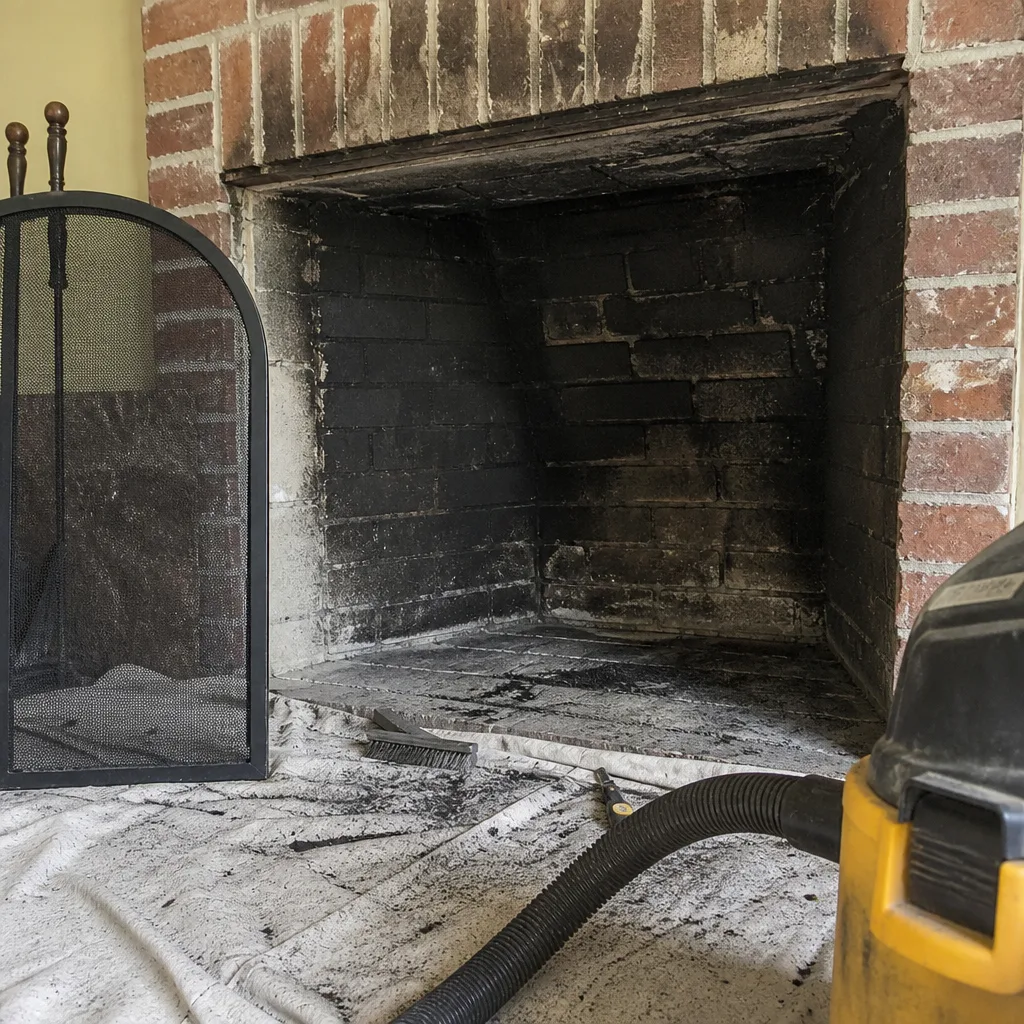 Before
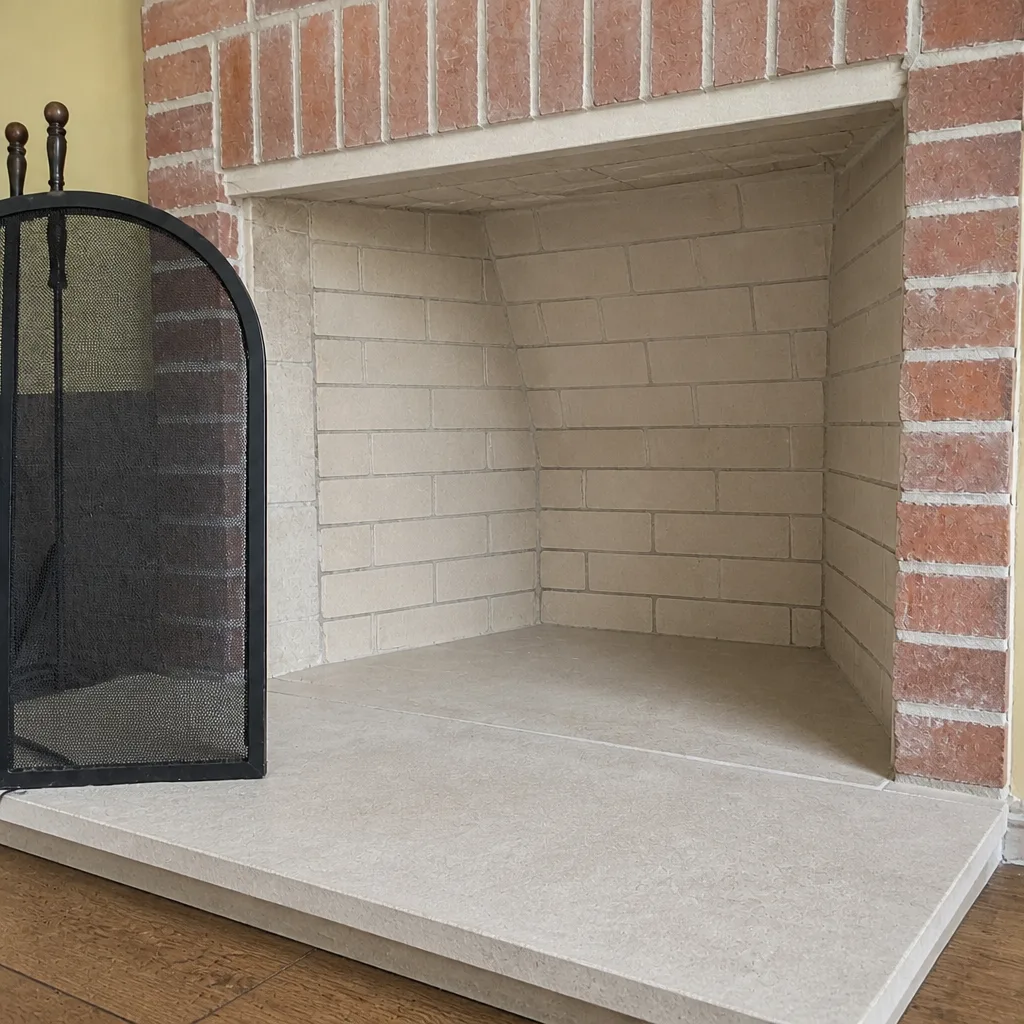 After
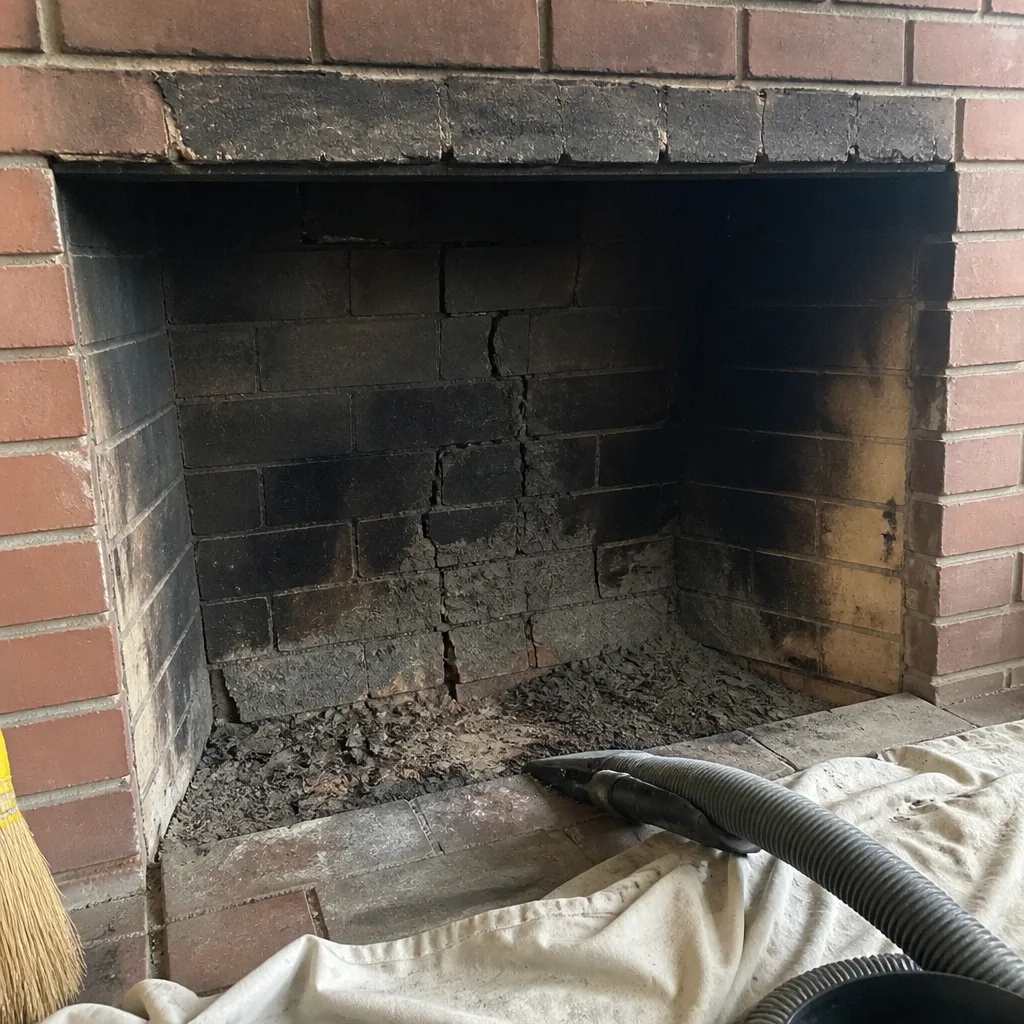 Before
 After
 Before
 After
When to Call a Professional
You should call a professional when the sweep report identifies damage that you can’t verify yourself, when the recommendation is a product rather than a cleaning, or when a previous installation lacks documentation. Those are the moments when a standard-grade product and a professional-grade one look identical to a homeowner – and where a chimney repair in Chico that follows manufacturer specs is the difference between a repair that lasts and a patch that doesn’t. If you’re unsure whether the damage needs a repair or just a cleaning, an inspection with camera footage answers that question. Chimney Sweep Chico offers free estimates in Chico – call (844) 320-4731. Our technicians have up to 8 years of experience and work in specification-grade products from DuraFlex, HeatShield, Famco, and Copperfield.
Frequently Asked Questions
The repair-grade product carries a manufacturer’s listing to a recognized standard (UL 1777 for liners, ASTM C-1289 for refractory material), a fuel-type rating, and a written warranty. The hardware-store alternative carries none of those. The two can look similar on a shelf but perform completely differently in a heated flue. Call (844) 320-4731 for an exact quote on a branded, warranted repair – estimates are free.
Ask for the product label, the manufacturer’s lot number, and a written installation record that names the brand, the listing, and the warranty. Those three things are common with a specification-grade product and absent with a generic one. If the record is missing them, the job is undocumented – and that matters if you ever file an insurance claim or sell the home.
Yes, when the flue tile is damaged but structurally intact. HeatShield Cerfractory is a certified resurfacing material applied by a trained applicator, and it carries a manufacturer’s warranty. It restores the tile from the inside without a full tear-out. It’s not right for every flue – a collapsed or dangerously compromised liner still needs a full replacement – but for damage that hasn’t reached that point, it’s a genuine repair option. Call (844) 320-4731 for an inspection and a written recommendation – estimates are free.
Chimney caps are the first line of defense against rain, animals, and downdrafts, and gauge is what determines how long the cap holds up. A specification-grade cap in 24-gauge stainless (such as the fitted products from Famco or Copperfield) resists heat cycling, UV, and dry-season dust far better than the 26- or 28-gauge caps in low-bid installs. In Chico’s dry summer heat and cold winter nights, that gauge difference is the difference between a cap that lasts and a cap you replace again next year. Call (844) 320-4731 for a cap quote – estimates are free.
A complete record includes the product name and manufacturer, the listing standard, the fuel-type rating, the installation date, the installer’s certification number, the manufacturer’s lot number, the written warranty, and pre- and post-installation photos. That’s the documentation an insurance adjuster or a buyer’s inspector will ask for. Without it, the job is unverifiable – and a second inspection usually follows. Call (844) 320-4731 to discuss what a specification-grade record looks like for your home – estimates are free.
It depends on the flue. A top-mount damper (Lyemance style) seals at the top of the chimney and is often the right fit when the existing throat damper is damaged or when the flue has an offset. A throat-mount damper (Chim-A-Lator style) is a closer analog to a factory damper and works well on a straight flue with a healthy smoke chamber. The flue’s shape and the presence of a liner drive the decision – not preference. Call (844) 320-4731 for an inspection and a specification – estimates are free.
The Bottom Line
Sweep first, inspect, then repair – in that order – and when the repair is a product, evaluate the brand. A specification-grade product has a listing, a fuel rating, a lot number, and a written warranty. A hardware-store alternative has none of those. The Chico homeowner who asks for the brand name, the listing, and the record before signing gets a different result than the one who doesn’t. The right contractor will volunteer that documentation anyway, because a specification-grade job produces it as a matter of course. Ask the questions, get the answers in writing, and let the paperwork do the arguing. For a flue that’s been cleaned but not repaired, or a repair that’s been quoted but not documented, an inspection is the place to start. Call Chico‘s chimney team at Chimney Sweep Chico at (844) 320-4731 for a free estimate. We answer 24/7. Fast dispatch from 7am to 7pm, Sunday through Friday.
Written by the team at Chimney Sweep Chico.