
Last updated November 16, 2026
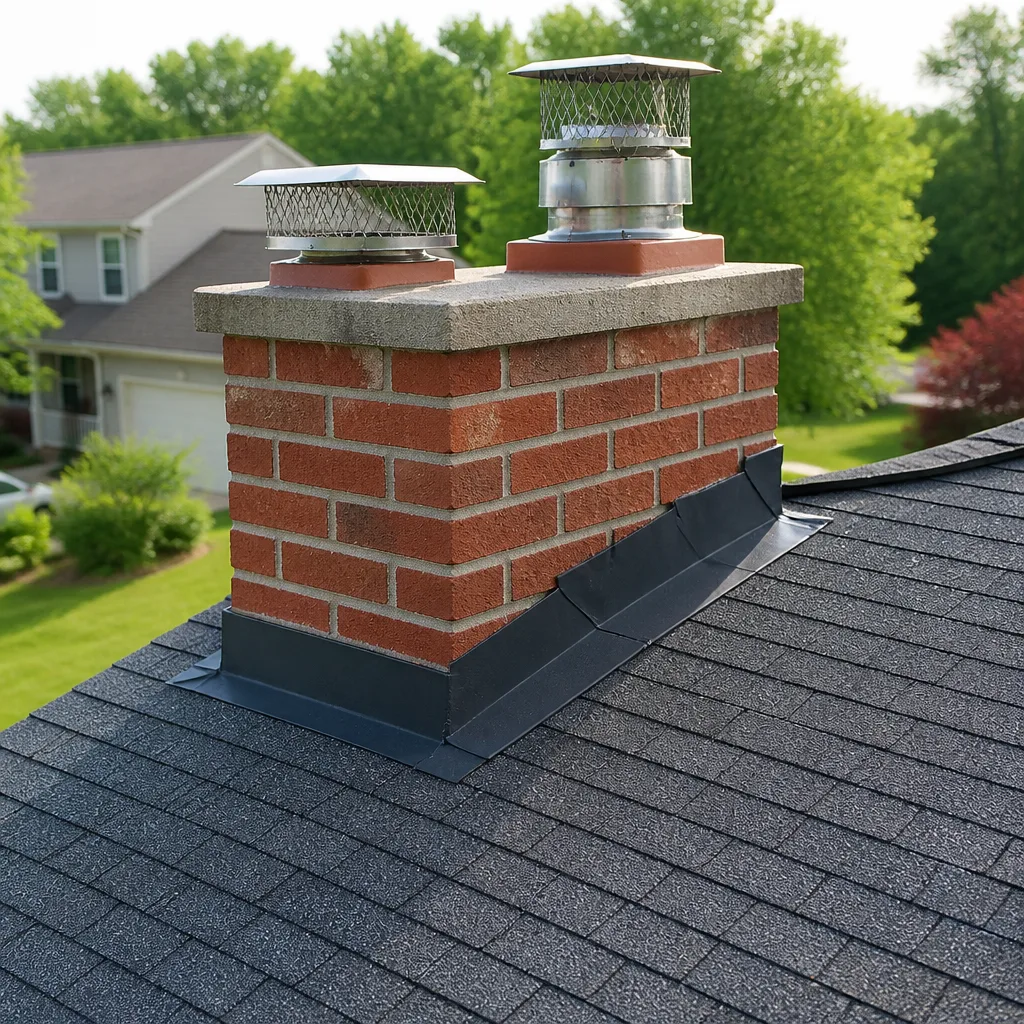 Sweep & inspection
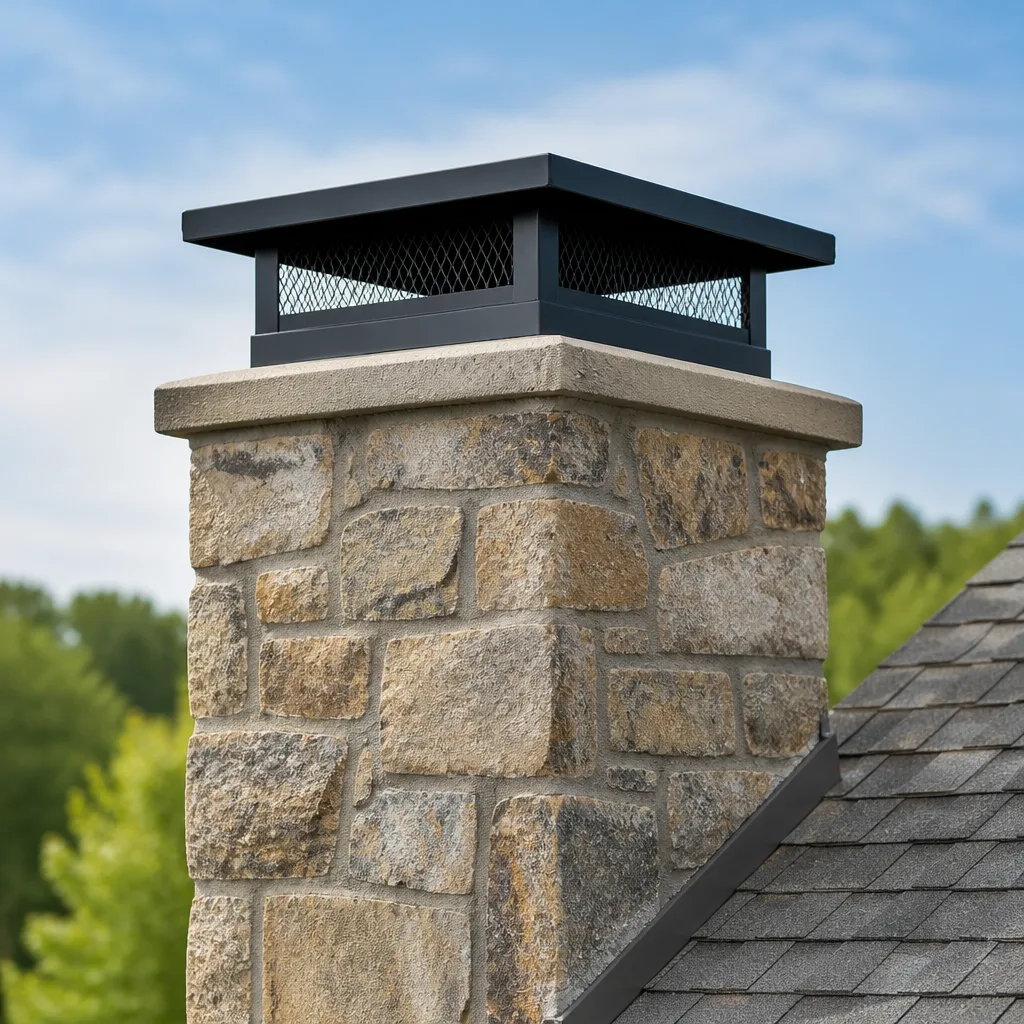 Caps & crowns
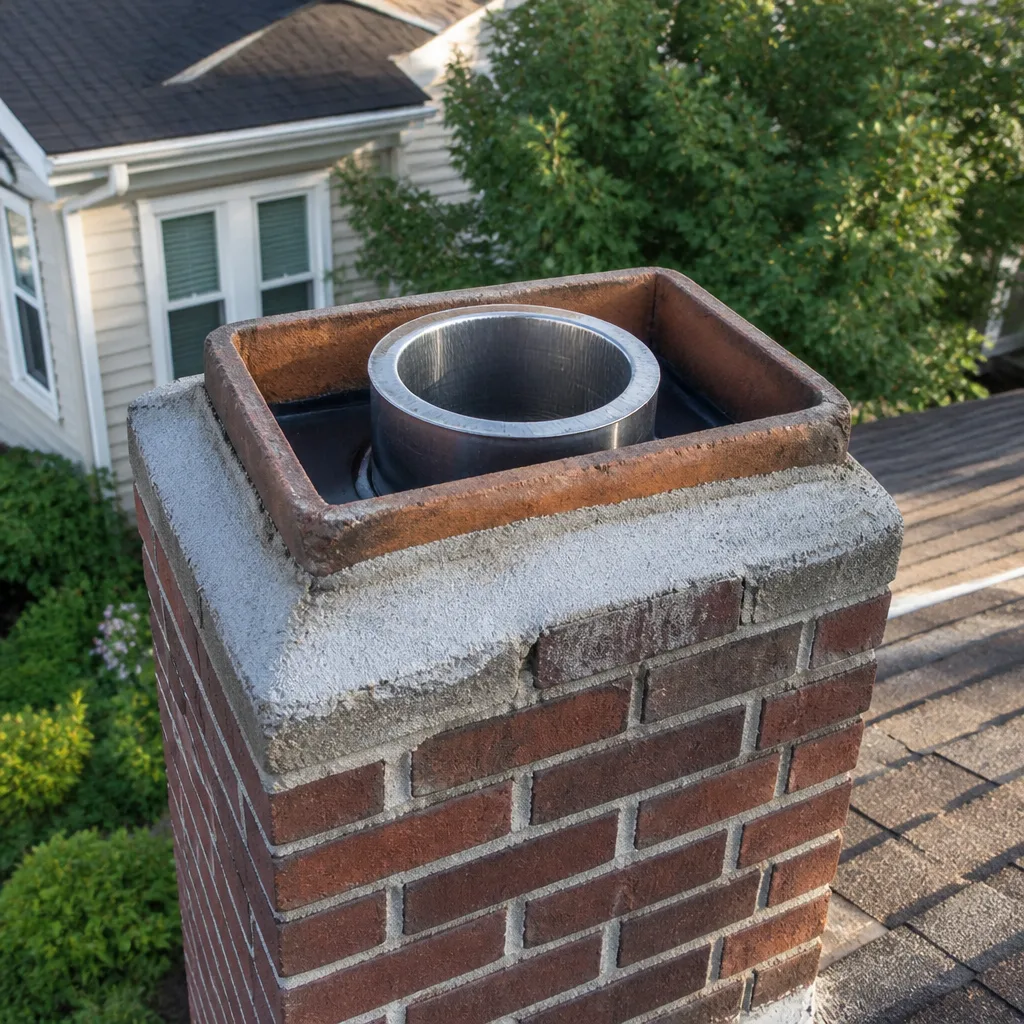 Flue relining
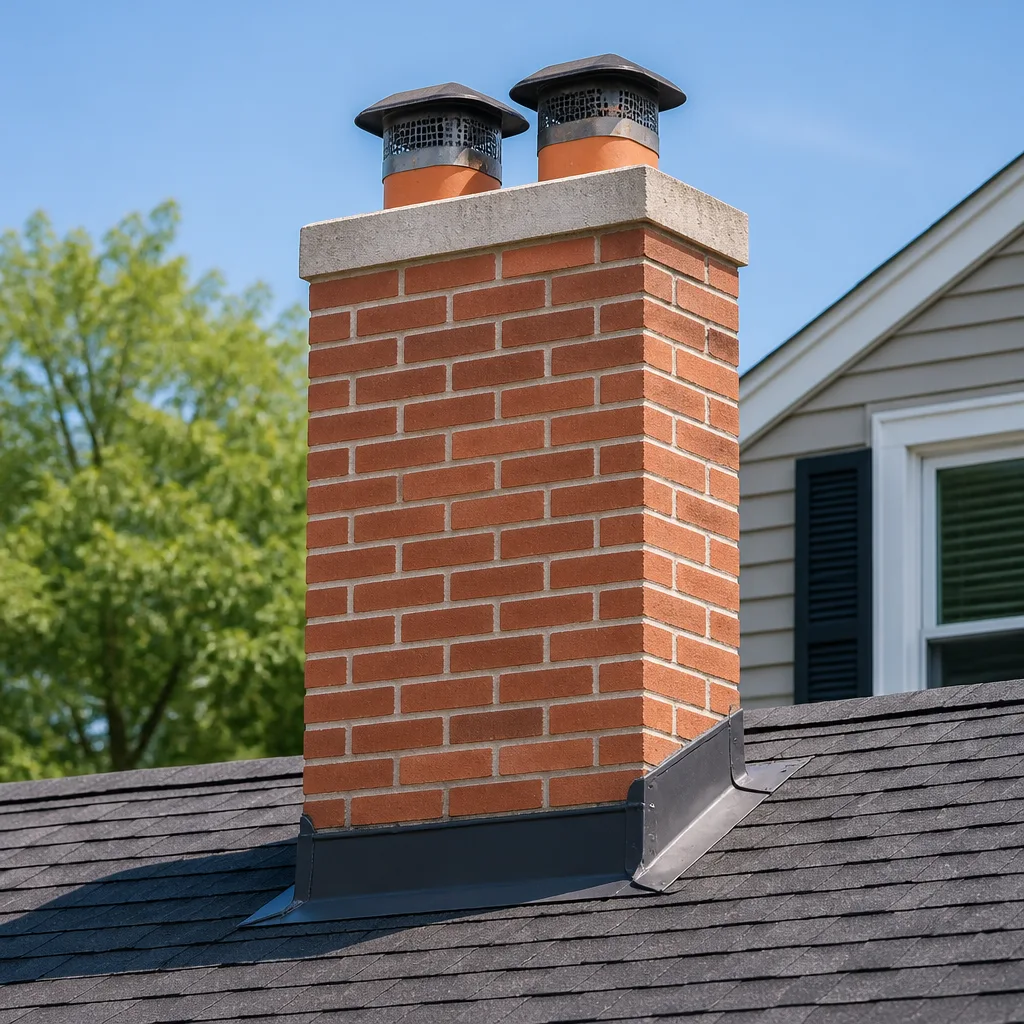 Masonry repair
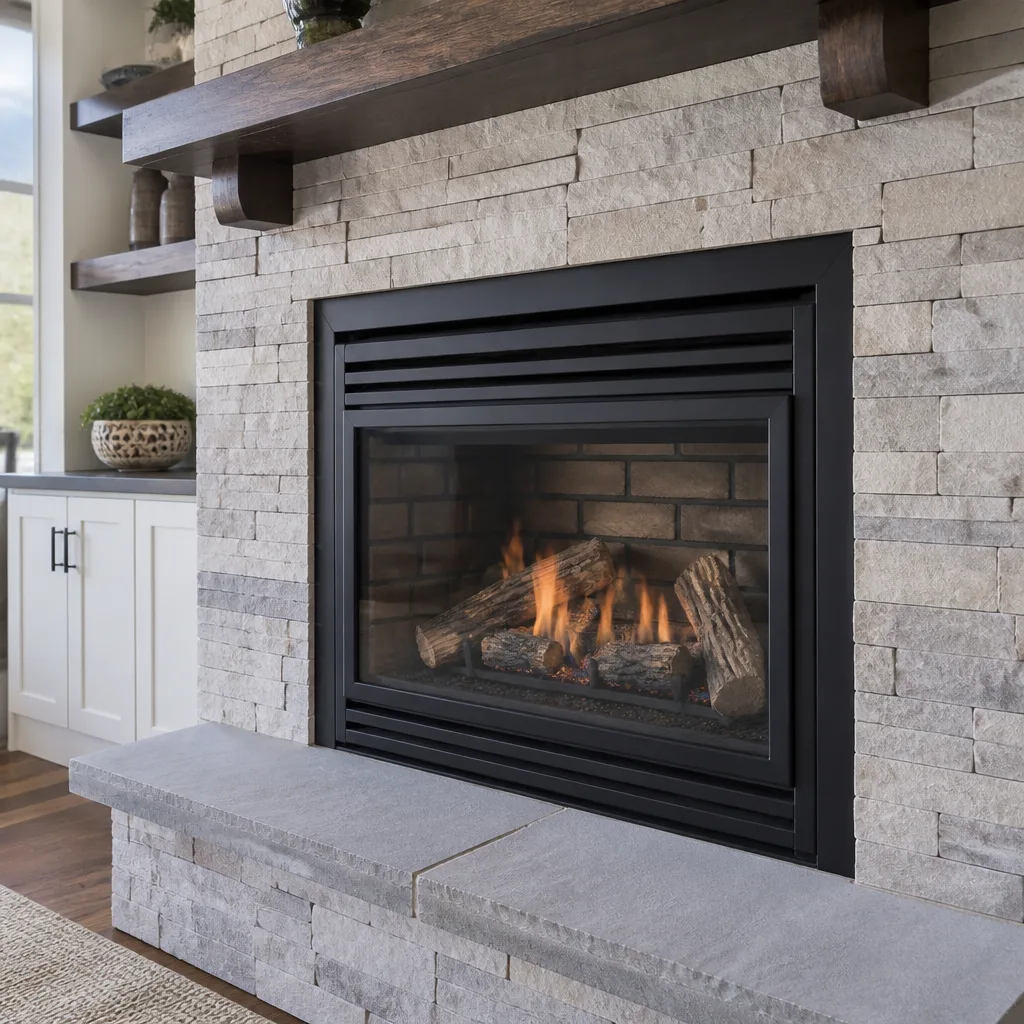 Gas fireplace service
Level 1 sweep and inspection to the NFPA 211 annual standard - flue, crown, cap, and flashing checked and photographed
Chimney sweep logs do not sweep chimneys. They loosen some creosote - which then falls where a brush and vacuum still have to collect it.
The Complete Guide to Chimney Cleaning in Chico
Most chimney fires don’t start in the depths of winter. They start on the first genuinely cold night of fall, in a flue that has spent eight months collecting dry oak debris and hasn’t been touched since spring. By the time the first fire is lit, the fuel load inside that flue is already set. That’s the part most homeowners miss: chimney cleaning in Chico is a fall-readiness job, not a midwinter chore. This guide maps the whole process to the conditions here in the valley – the long dry summers, the oak and almond that fuel most Chico fireplaces, and the compressed burn season that shapes how creosote forms. You’ll learn what a proper sweep involves, how the inspection levels differ, and when to schedule so you’re ready before the first fire.
Quick Answer
A chimney cleaning in Chico is a mechanical sweep of the flue plus a visual inspection of the firebox, damper, cap, and accessible flue surfaces, and most homes that burn regularly need it once a year. The cleaning itself usually takes about an hour, and it removes the creosote and debris that build up fastest during our dry summers and early burn season. Any repair findings should be documented with photos and a written scope before you agree to work.
Styles & brands we work with
- Sweep & inspection
- Caps & crowns
- Flue relining
- Masonry repair
- Gas fireplace service
Table of Contents
- Why Chimney Cleaning in Chico Isn’t Like Cleaning Anywhere Else
- What Creosote Actually Is and How Our Climate Changes It
- Valley Oak, Almond Wood, and What You Burn
- What Happens During a Professional Cleaning
- Level 1 vs Level 2 Inspection: Which One You Need
- Why Specification-Grade Liners Beat Off-the-Shelf Sealants
- When to Schedule Around Chico’s Fire Season
- Common Mistakes to Avoid
Why Chimney Cleaning in Chico Isn’t Like Cleaning Anywhere Else
Chico sits in a Mediterranean climate: hot, dry summers followed by a short, cool, mostly rainless burn season. That pattern matters to your chimney because creosote formation is driven by how wet the wood is, how hot the fire burns, and how much time the flue spends loaded with residue between cleanings. In wetter climates, frequent rain and damp air keep some homeowners burning more continuously and cleaning less urgently. Here it’s the opposite. The long dry stretch means debris collects for months with no moisture to wash any of it away, and the brief, intense burn season packs a lot of fires into a short window. The flue goes from idle to heavily used in a matter of weeks.
That combination – a long accumulation period and a sudden burst of heavy burning – is exactly the condition that turns a manageable layer of creosote into a stubborn, glazed coating. It’s also why a Chico sweep should be looking for last season’s residue, not just this season’s. When we look at a flue here, we’re reading a full year of history, not the last few months.
- Dry summers: months of airborne oak debris and dust settle into the flue with nothing to flush them out.
- Compressed burn season: heavy use in a short window builds creosote fast.
- Valley air and dust: fine particulates collect on flue walls and give new creosote something to grip.
- Cooler overnight temperatures: fires that smolder overnight run cooler and produce wetter, stickier deposits.
None of this means Chico chimneys are unusually dangerous. It means the cleaning schedule and the things a sweep checks should be tuned to local conditions, and a generic national checklist misses them. A thorough chimney sweep in Chico accounts for a full year of accumulated debris, not a single season.
What Creosote Actually Is and How Our Climate Changes It
Creosote is the residue left behind when wood smoke cools on its way up the flue. It forms in three broad stages, and understanding them is the key to understanding why cleaning timing matters so much in a dry climate like ours.
- Stage 1 – soot and flaky creosote: a light, dusty, easily brushed coating. This is what a routine annual cleaning removes without much effort.
- Stage 2 – crusty, flaky deposits: thicker, brittle, and harder to brush. Common after a season of heavy or occasional wet-wood burning.
- Stage 3 – glazed, hardened creosote: a shiny, tar-like coating that bonds to the flue wall. This is the stage that resists ordinary brushing and needs specialist tools or resurfacing to address.
Here’s where the local climate enters the picture. In a wetter climate, some of the accumulation is diluted by damp conditions and frequent cleaning cycles. In Chico, the flue can sit for months in dry heat, and then the sudden cold nights of fall trigger a run of fires on wood that may not be fully seasoned. That transition – dry buildup meeting a burst of intense, sometimes inefficient burning – is what pushes flues past Stage 1 and into Stage 2 faster than a homeowner might expect. We’ve seen flues that were brushed in spring reach a crusty second stage by the end of a single heavy fall.
The practical takeaway: don’t assume a flue that was fine last year is fine this year. The pattern here accelerates the middle stage, and a sweep is the only reliable way to know which stage you’re actually looking at.
Valley Oak, Almond Wood, and What You Burn
What goes into your firebox shapes what ends up on your flue walls. In Chico, two fuels dominate household fireplaces: valley oak and almond wood. Both are common, both are locally available, and both behave differently enough that they’re worth understanding.
Valley oak is a dense hardwood. When it’s well seasoned – split and dried long enough to burn cleanly – it produces steady heat and relatively less creosote than softer, wetter wood. The catch is seasoning. Oak needs a long dry period, and the dry Chico summer is actually your best friend here. Wood stacked and split in spring that spends the summer in dry valley heat can be in good shape by fall. But oak that’s still green or damp when the first fires are lit produces a cooler, smokier fire, and that’s what lays down sticky creosote.
Almond wood is also common and burns hot, but it can be denser and slower to ignite than people expect, which sometimes leads to smoldering fires that run cool and dirty. Smoldering is the creosote maker, regardless of the wood.
- Burn dry, not wet. Well-seasoned wood produces far less creosote than green or damp wood.
- Split and stack early. Use the dry Chico summer to season wood before the burn season, not during it.
- Avoid smoldering. Dampers closed too far and slow, smoky fires build deposits quickly.
- Never burn trash, cardboard, or treated wood. These produce deposits that behave nothing like clean wood smoke and can leave problematic residue on the flue.
The fuel you choose and how you season it directly changes how often your flue needs attention. If you burn a lot of oak and almond, that annual cleaning earns its keep. If you only light a few fires a year, the accumulation is slower, but it still builds during our long dry months.
What Happens During a Professional Cleaning
A proper chimney cleaning isn’t a brush shoved up the flue. It’s a sequence of checks and cleaning steps, and knowing what to expect lets you judge whether the work you’re paying for is thorough. Here’s the general process a professional cleaning follows, start to finish.
- Protect the room. Drop cloths and a sealed work area keep soot and dust out of your living space. A clean job should leave the room as it was.
- Inspect before cleaning. The technician checks the firebox, damper, smoke chamber, and accessible flue before starting, so problems are documented in their original state.
- Brush the flue. Rotary or hand brushes, sized to the flue, remove soot and creosote from the flue walls. The approach depends on the flue type and the stage of creosote found.
- Clean the firebox and smoke shelf. Soot and debris collect here and need to be cleared, not just the flue above.
- Remove and dispose of the residue. The removed creosote and debris are bagged and taken away.
- Check the cap and exterior. The cap, crown, and any exterior components are checked for blockage, animal intrusion, or damage.
- Document findings. A proper sweep gives you a written record of what was found, ideally with photos, before anything is repaired.
That last step matters. A cleaning that produces nothing but a cleaned flue leaves you with no record – no way to know if a liner issue was found, no evidence for insurance or future reference. We document what we find as a matter of course, because a verbal “looks fine” doesn’t help you later.
One caution worth stating plainly: creosote removal at the glazed stage involves tools and techniques that belong in trained hands, and the flue itself is a confined space. That’s not a job for a homeowner with a brush and a ladder. The cleaning is mechanical and can look simple, but the inspection that comes with it is where the real value sits.
Level 1 vs Level 2 Inspection: Which One You Need
Not all chimney inspections are the same, and knowing the difference tells you whether the report you get is adequate for your situation. Chimney inspections are generally described in three levels, and most Chico homeowners need either a Level 1 or a Level 2 depending on what changed since the last check.
Level 1 Inspection
A Level 1 inspection is the basic visual check that comes with a routine cleaning. The technician looks at the readily accessible parts of the chimney and venting – firebox, damper, smoke chamber, and the visible portions of the flue – using basic tools and a flashlight. It’s appropriate when the chimney is in continued service and nothing has changed since the last inspection: same fuel, same appliance, no known problems.
Level 2 Inspection
A Level 2 inspection goes further. It’s required, or strongly recommended, after a change in how the chimney is used or after a significant event. In practice, that includes:
- After a chimney fire, even a small one.
- After a change in fuel type or appliance – switching to a new stove or insert, for example.
- When you’ve moved into a home and don’t know its history.
- After an earthquake, storm, or other event that could affect the chimney structure.
- When a Level 1 inspection turns up a concern that needs closer examination.
A Level 2 inspection commonly uses video scanning of the flue, so the technician can see the interior of the flue that isn’t visible from the top or bottom. That video evidence is the whole point – it shows you what’s actually happening inside the flue rather than asking you to take a verbal assessment on faith. If a report recommends significant work, ask to see the video or photos that justify it. Nothing should be recommended without evidence you can review yourself.
For many Chico homeowners, a Level 1 that comes with a routine cleaning is enough. But if you’ve just bought a house, switched to a wood stove, or heard something odd during a fire, a Level 2 is the right call, and it’s worth asking specifically which level you’re getting before booking.
Why Specification-Grade Liners Beat Off-the-Shelf Sealants
Here’s where a cleaning turns into a repair decision. During an inspection, a technician may find cracks, gaps, or deterioration in the flue liner or the flue tile. The temptation – and what cheaper outfits sometimes do – is to patch it with a generic sealant or “refractory cement” from a hardware store. That’s a short-term fix that doesn’t meet manufacturer specifications and leaves you with no documented material trail. A proper repair uses a product rated for the application, installed to the manufacturer’s spec.
That’s the difference between a repair and a workaround. Specification-grade systems are made to a published standard, and the installation follows that standard. We install and service professional-grade brands including DuraFlex, HeatShield, Olympia Chimney, Famco, and Copperfield because each one exists to solve a specific problem:
- HeatShield resurfacing restores damaged flue tile from the inside without a full liner tear-out. It’s a repair option that most general sweeps simply can’t offer, and it’s often a better fit than replacement when the flue structure is otherwise sound.
- DuraFlex flexible liner systems allow correct installation in offset or hard-to-reach flue configurations where a rigid liner can’t follow the flue’s path. The right liner for your flue is one shaped to fit it, not one forced to work around it.
- Gelco and Famco cap systems provide fitted weather and animal exclusion, rather than improvised sheet-metal covers that don’t seal properly.
Why does this matter after a cleaning specifically? Because cleaning reveals the true condition of the flue. A flue that looked fine from the outside can show cracks or deterioration once the creosote is cleared. When repairs are needed, manufacturer-spec materials give you a documented, traceable solution – a record of the material used, useful for your own files and for insurance purposes. The written scope should name the products and reference the specification, so you know exactly what’s being installed and why. If a repair recommendation doesn’t name a product or a standard, ask why before agreeing to it.
When to Schedule Around Chico’s Fire Season
Timing is the most practical lever a Chico homeowner has, and it’s personal rather than in the abstract. The goal is to have your chimney swept and inspected before the first cold night of fall, when the flue has had months to accumulate. Here’s a realistic sequence:
- Late summer to early fall: the ideal window. The long dry season has finished accumulating debris, the flue is idle, and there’s time to address anything the inspection finds before you need the fireplace. Schedule early rather than waiting for the first cold snap.
- The weeks before fire season: a cleaning and inspection now gives you a documented baseline going into the season, so you know your flue is clear and sound before the heavy-burn stretch.
- During the burn season: if you burn heavily, keep an eye out for warning signs – a smoky smell, poor draft, or visible buildup – and call if anything changes. A midseason check is reasonable if you’ve been burning a lot.
- Spring: a post-season cleaning removes a full winter’s creosote before the dry summer bakes it onto the flue walls. It’s a good alternative if fall slipped past.
One local wrinkle: Chico sits in a region where utility power shutoffs can occur during high-fire-danger periods. These shutoffs don’t directly change how your chimney performs, but they do affect planning – a cold snap or an outage can shift when people light fires and how heavily they use them. The practical advice is to get the cleaning and inspection done well before the season starts, so you’re not trying to squeeze it in during a busy, unpredictable stretch.
The bottom line on timing: schedule before the burning season, not in the middle of it. Cleaning the flue and documenting its condition is a fall-readiness task, and doing it early means any needed repair happens on your schedule rather than in a rush on the first cold night.
Common Mistakes to Avoid
- Waiting until the first cold night to book a cleaning. By then the flue is loaded and you’re in a rush. Schedule in late summer or early fall, before the season starts.
- Burning unseasoned oak or almond. Damp wood burns cool and smolders, which builds sticky creosote fast. Let your wood finish drying in the dry Chico summer before you burn it.
- Burning trash, cardboard, or treated wood. These produce deposits that behave nothing like clean wood smoke and can leave hard-to-clean residue on the flue. Stick to dry, clean firewood.
- Accepting a verbal “it looks fine.” A proper sweep documents what it finds, with photos and a written record. If there are no findings on paper, ask why.
- Skipping the inspection because the cleaning was “just a sweep.” A cleaning without an inspection misses liner cracks and other issues. The two go together.
- Patching a damaged liner with a generic sealant. Off-shelf sealants don’t meet manufacturer specs and give you no material record. Use a rated system, or the repair won’t hold up to scrutiny.
- Assuming a flue that was fine last year is fine this year. Chico’s dry accumulation period and compressed burn season mean buildup can be significant in a single year. Get it checked.
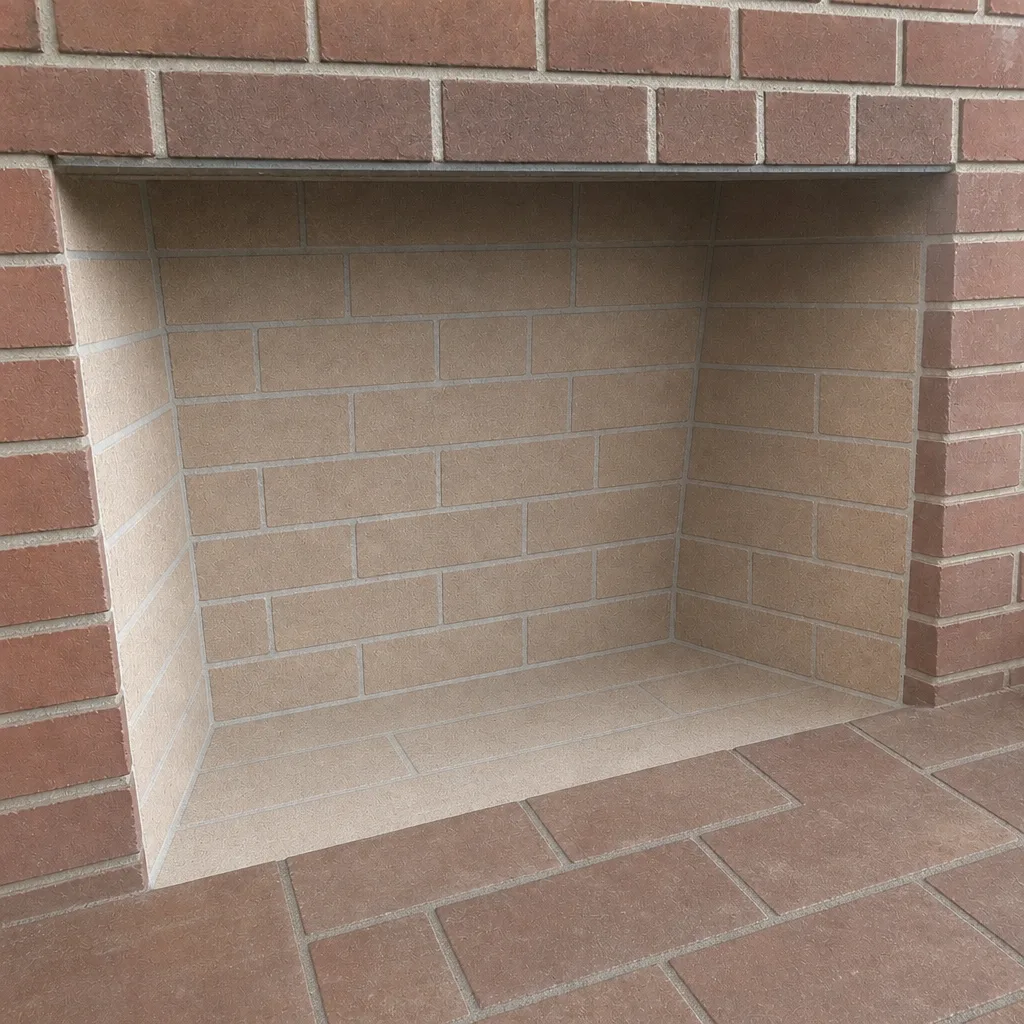
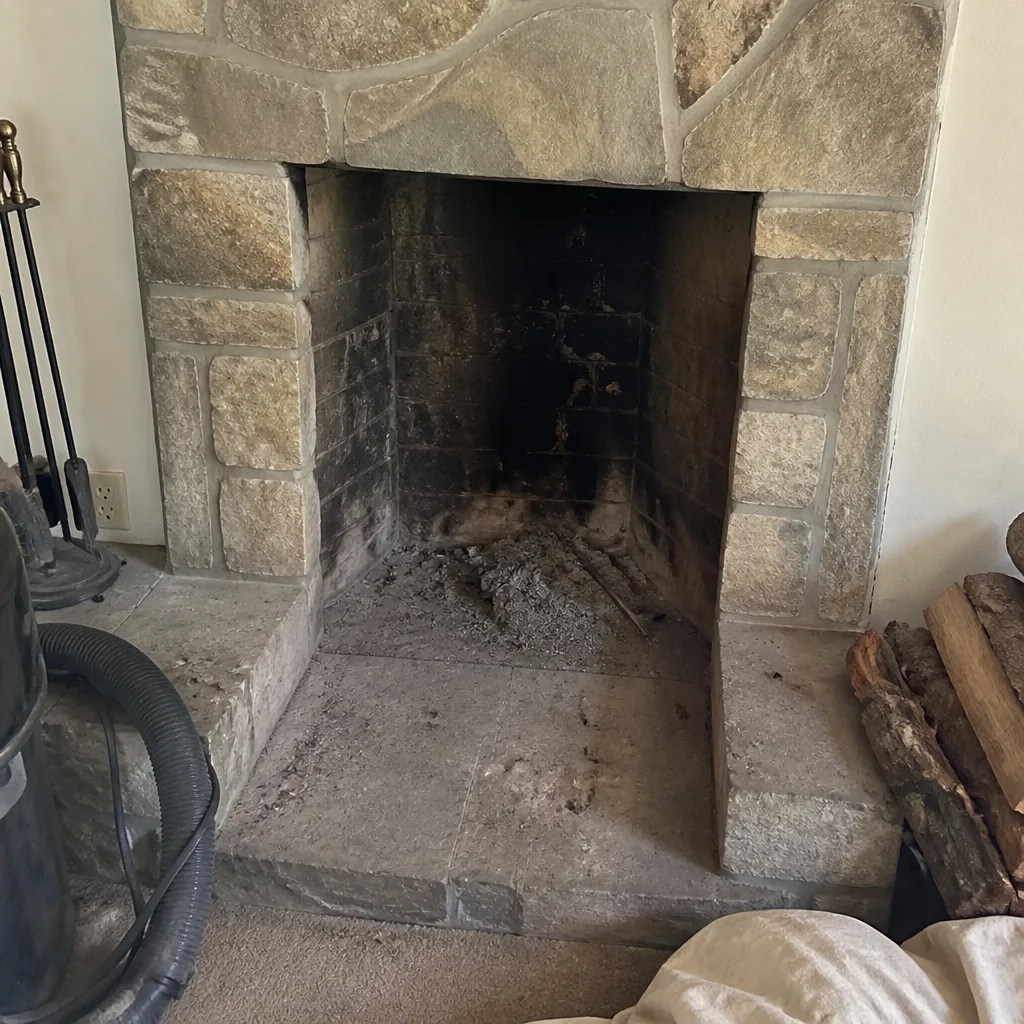
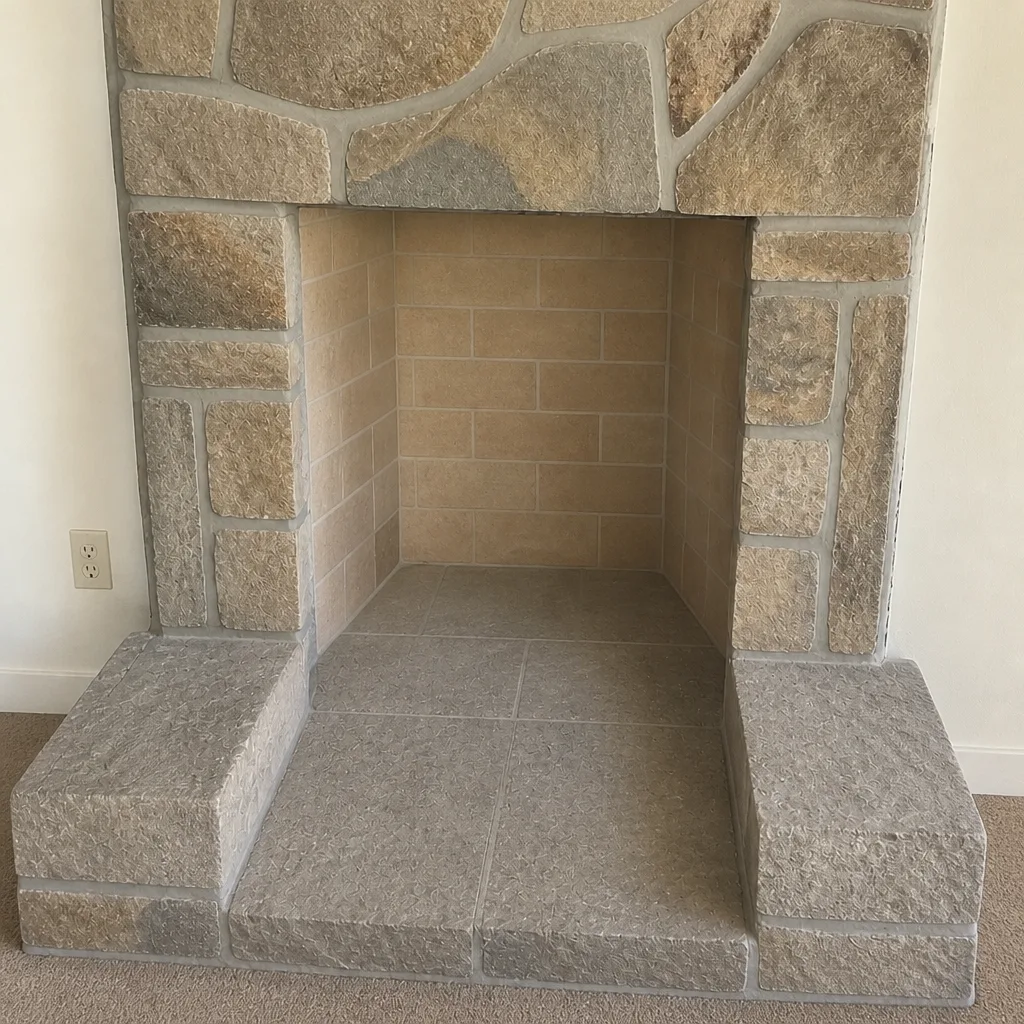
See the difference
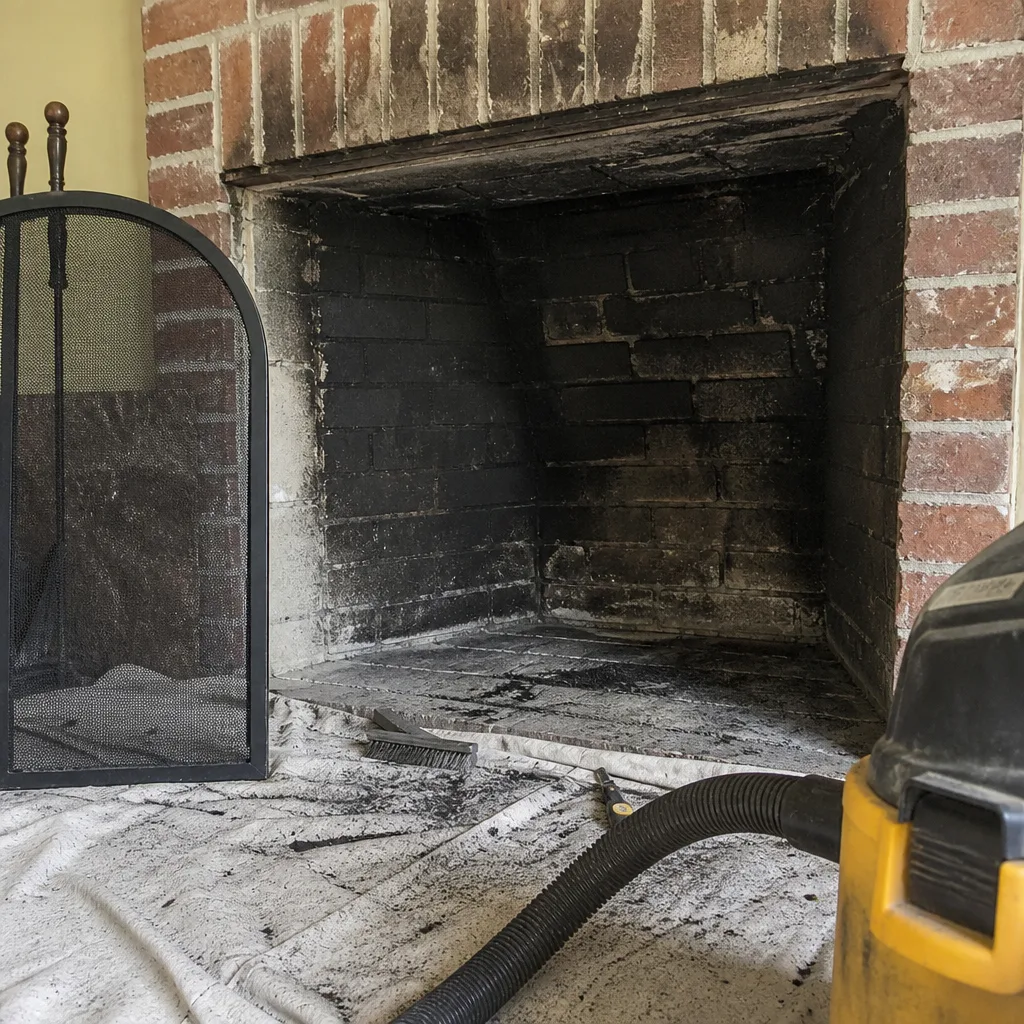 Before
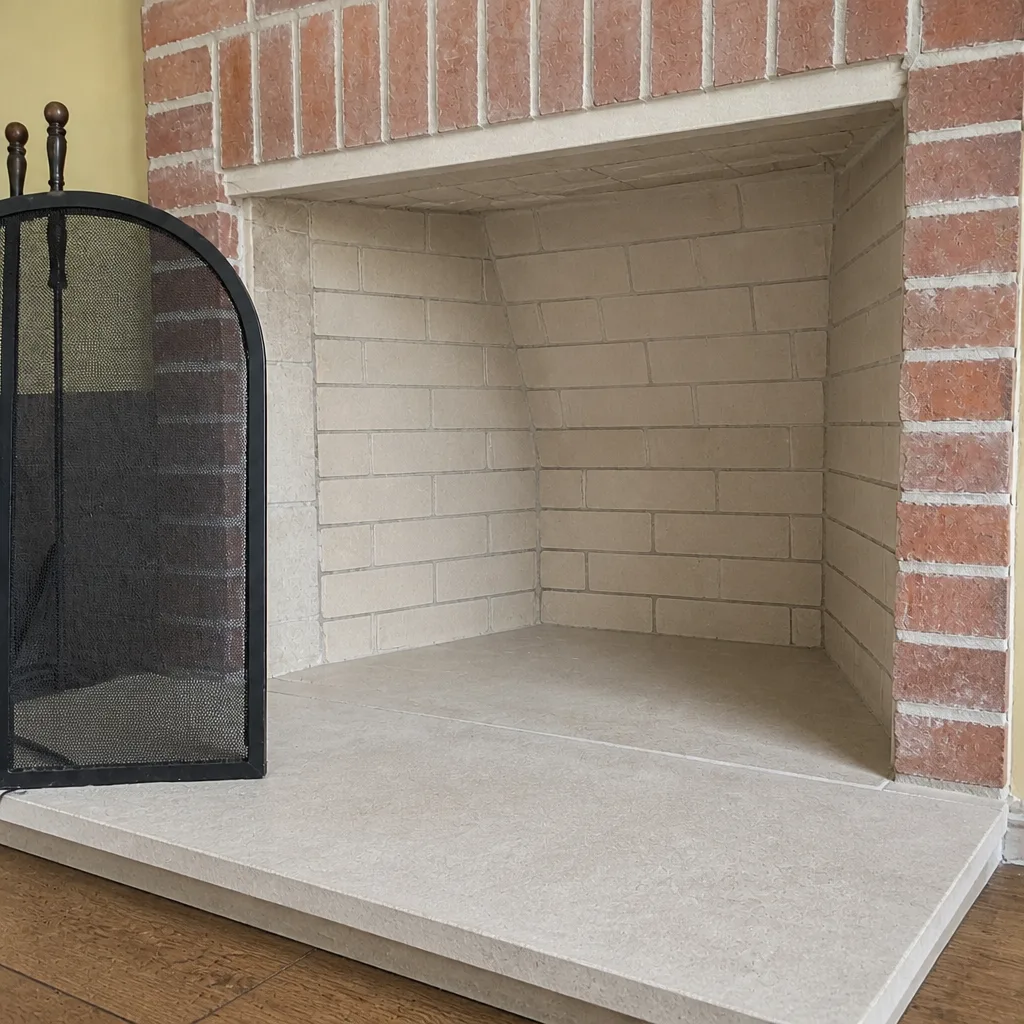 After
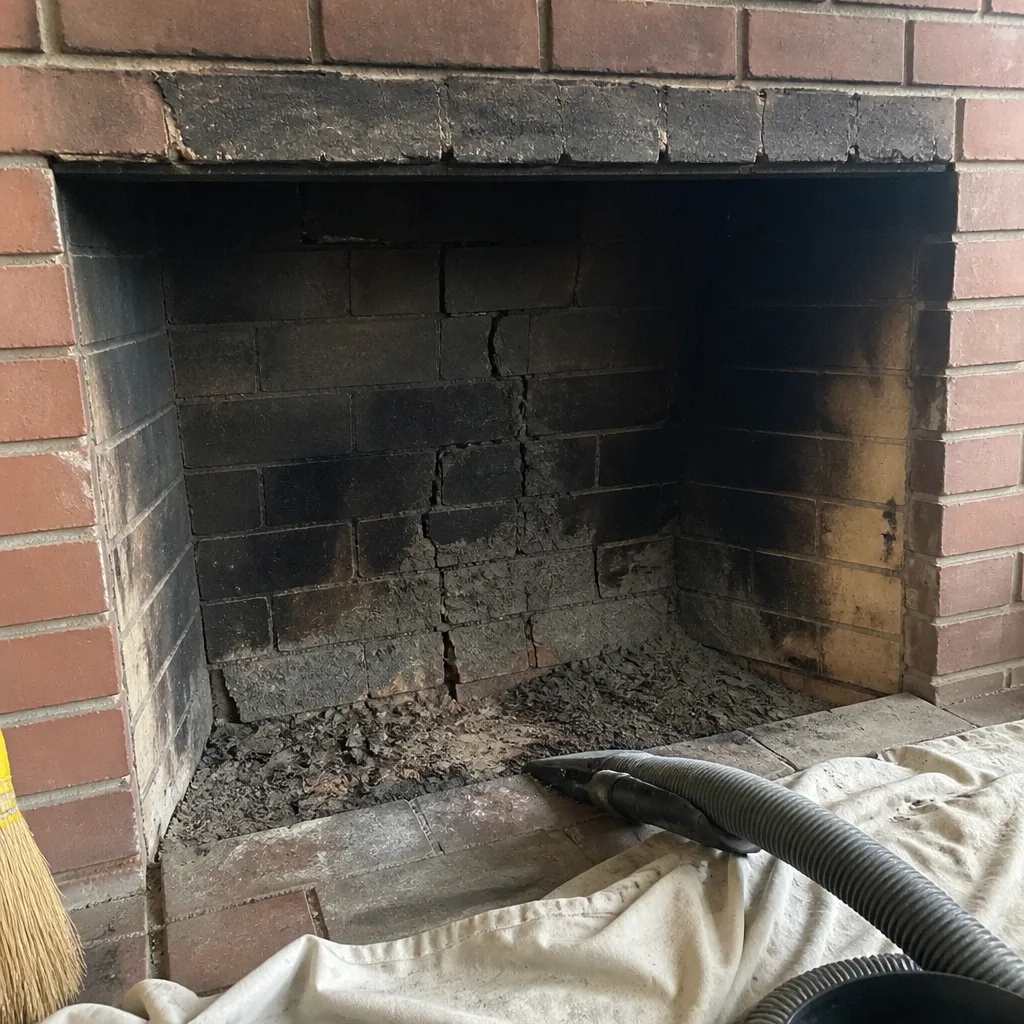 Before
 After
 Before
 After
When to Call a Professional
Some chimney issues are clearly a professional’s job, and waiting doesn’t make them better. Call if you’ve heard a rumbling or roaring that sounded like a fire inside the flue; if you notice a strong smoky smell in the house, poor draft, or smoke backing up into the room; if you see visible creosote buildup or a cracked or damaged liner during a routine look; or if you’ve moved into a house and don’t know when it was last cleaned. You should also call if you’ve switched to a wood stove or insert, or if you’re burning noticeably more than last year. And even if nothing is obviously wrong, if it’s been more than a year since your last cleaning and inspection, book one before the season starts. Chimney Sweep Chico offers free estimates in Chico – call (844) 320-4731. We answer 24/7. Fast dispatch from 7am to 7pm, Sunday through Friday.
Frequently Asked Questions
Most homes that burn wood regularly should have a chimney cleaning and inspection once a year. In Chico’s long dry summer and compressed burn season, creosote accumulates fast enough that an annual clean is the reliable default. If you burn only occasionally, the buildup is slower, but an annual check still gives you a documented record. Call (844) 320-4731 for an exact quote – estimates are free.
A routine chimney cleaning is priced per job based on the flue’s size, type, and condition, and the written estimate sets the final price before any work starts. Because a cleaning often turns up findings – creosote stage, liner condition, cap issues – the estimate reflects what your specific flue actually needs. The estimate itself is free. Call (844) 320-4731 to book one.
Not necessarily. A cleaning clears the flue so the liner can be examined, and a new liner is only recommended when the inspection shows damage that resurfacing can’t address. HeatShield resurfacing can often restore damaged flue tile without a full tear-out, which is an option most general sweeps can’t offer. Nothing should be recommended without video or photo evidence you can review. Call (844) 320-4731 and ask what your inspection found.
Skipped cleanings let creosote build through the stages, and glazed deposits are much harder to remove and raise the risk of a chimney fire. Blockages can also restrict draft and push smoke back into the house. You may not notice anything until the first fire of the season – which is exactly the wrong time to find out. Book before the burning season. Call (844) 320-4731 – estimates are free.
A Level 1 is a visual check of accessible parts, done with a routine cleaning. A Level 2 adds video scanning of the flue and is needed after a chimney fire, a change in appliance or fuel, a home purchase, or a structural event like an earthquake. If your last inspection was a Level 1 on a home you just bought, ask for a Level 2. Call (844) 320-4731 to schedule.
No – valley oak and almond are both common local fuels, and they burn well when properly seasoned and burned hot. The issue is moisture: damp or green wood burns cool and smolders, which builds creosote quickly. Season your wood through the dry Chico summer and avoid slow, smoky fires. If you’ve been burning damp wood, a cleaning check is worthwhile. Call (844) 320-4731.
The Bottom Line
Chimney cleaning in Chico isn’t a generic chore – it’s a seasonal task shaped by our long dry summers, our valley oak and almond fuel, and our compressed burn season. The three things that matter most: clean before the burning season, not during it; insist on an inspection with documented findings, not a verbal okay; and when repairs are needed, use specification-grade systems like HeatShield and DuraFlex rather than off-shelf sealants. The goal is simple – a flue that’s clean, sound, and documented before the first cold night. Our technicians have up to 8 years of experience, and we handle cleaning, inspection, and repair as one job, so you’re not left hunting for a separate contractor. If you’re ready to get this done before the season starts, Chimney Sweep Chico offers free estimates – call (844) 320-4731. We answer 24/7. Fast dispatch from 7am to 7pm, Sunday through Friday.
Written by the team at Chimney Sweep Chico.