
Last updated November 16, 2026
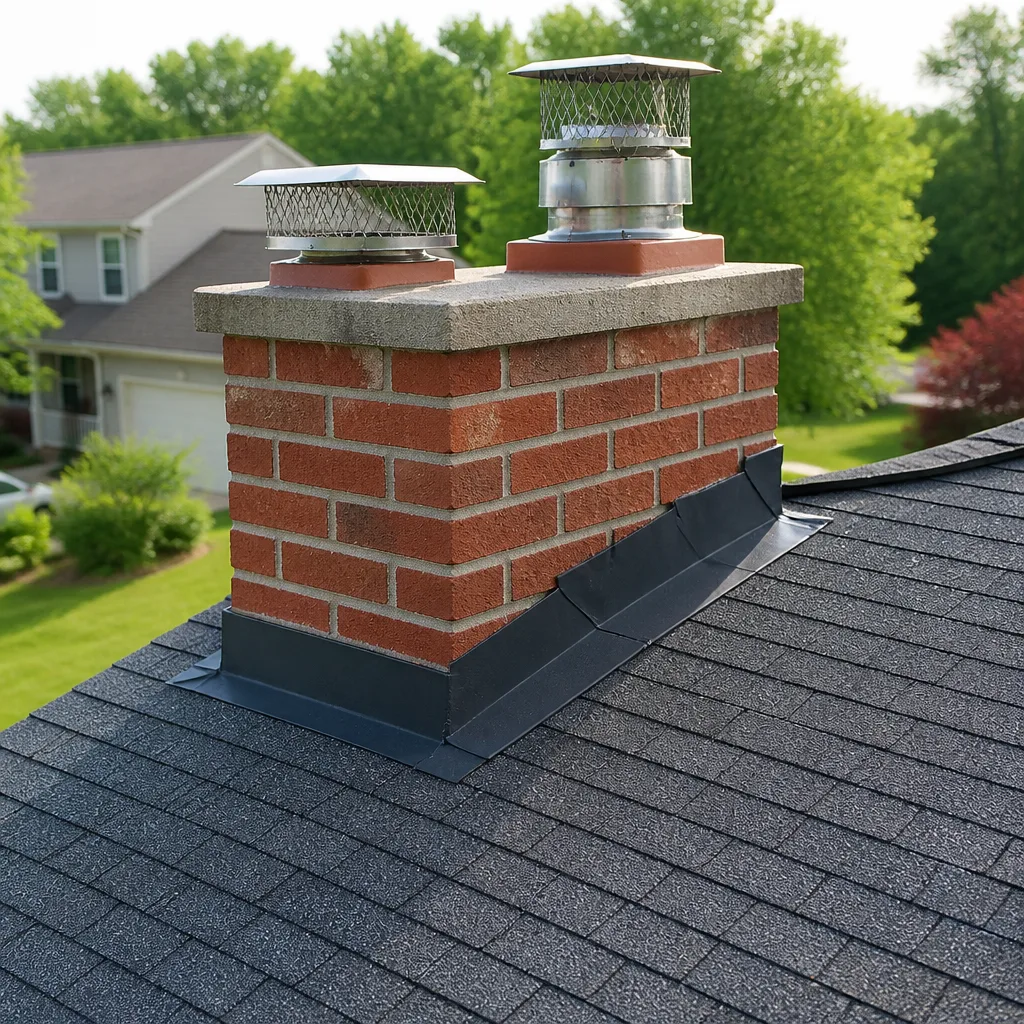 Sweep & inspection
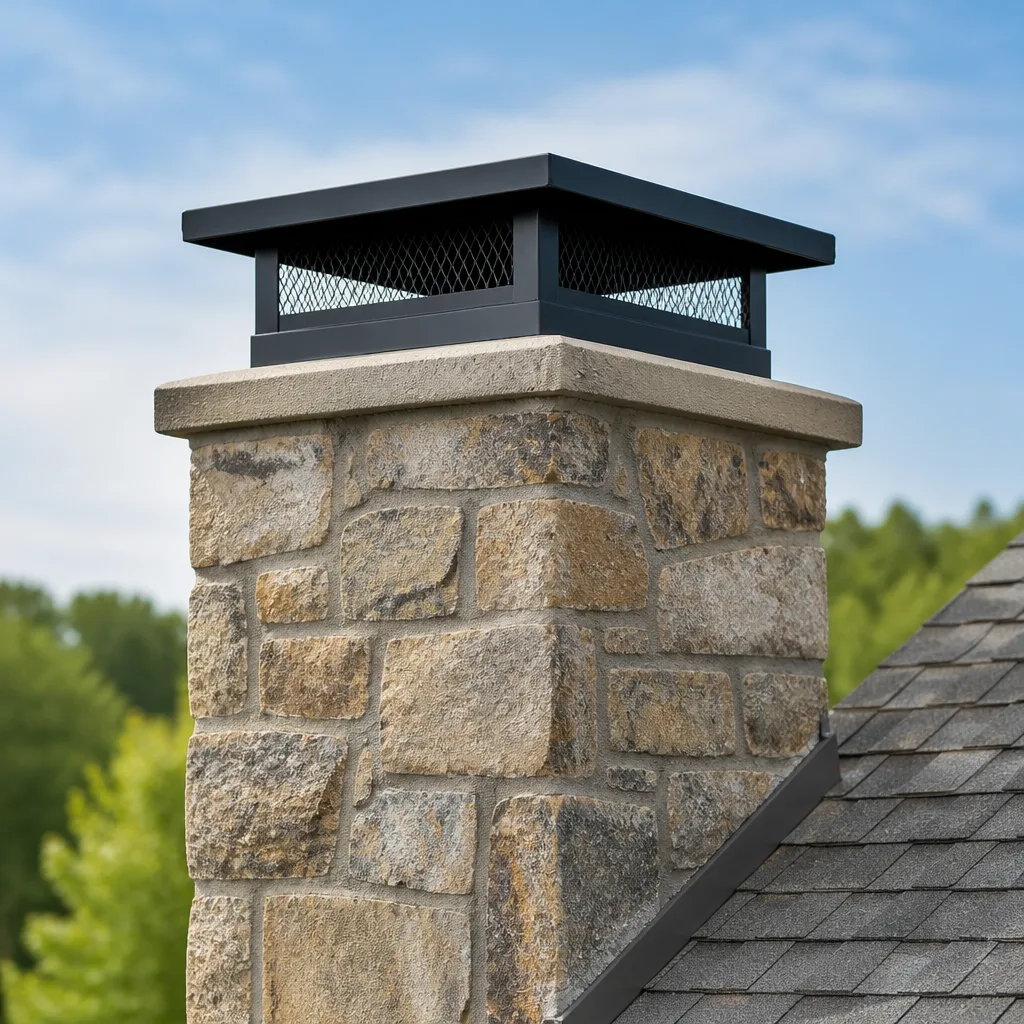 Caps & crowns
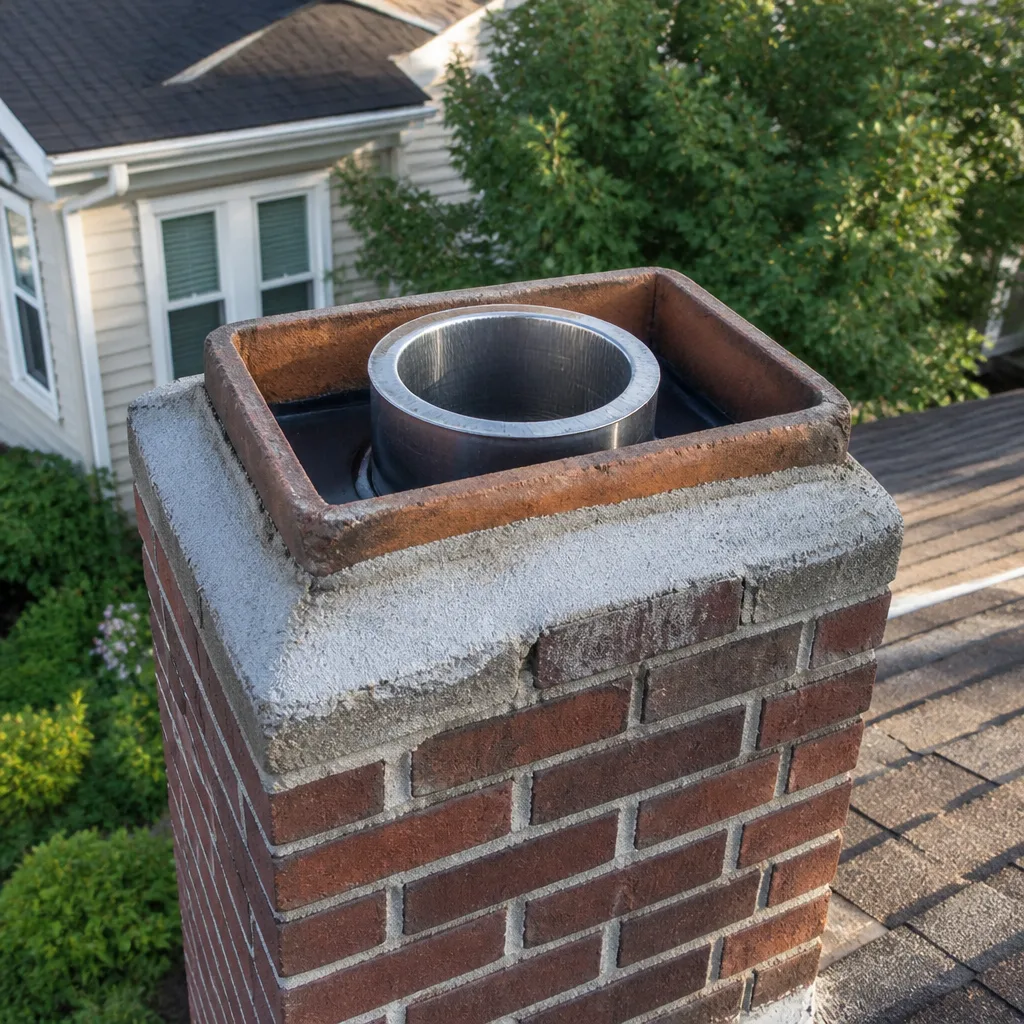 Flue relining
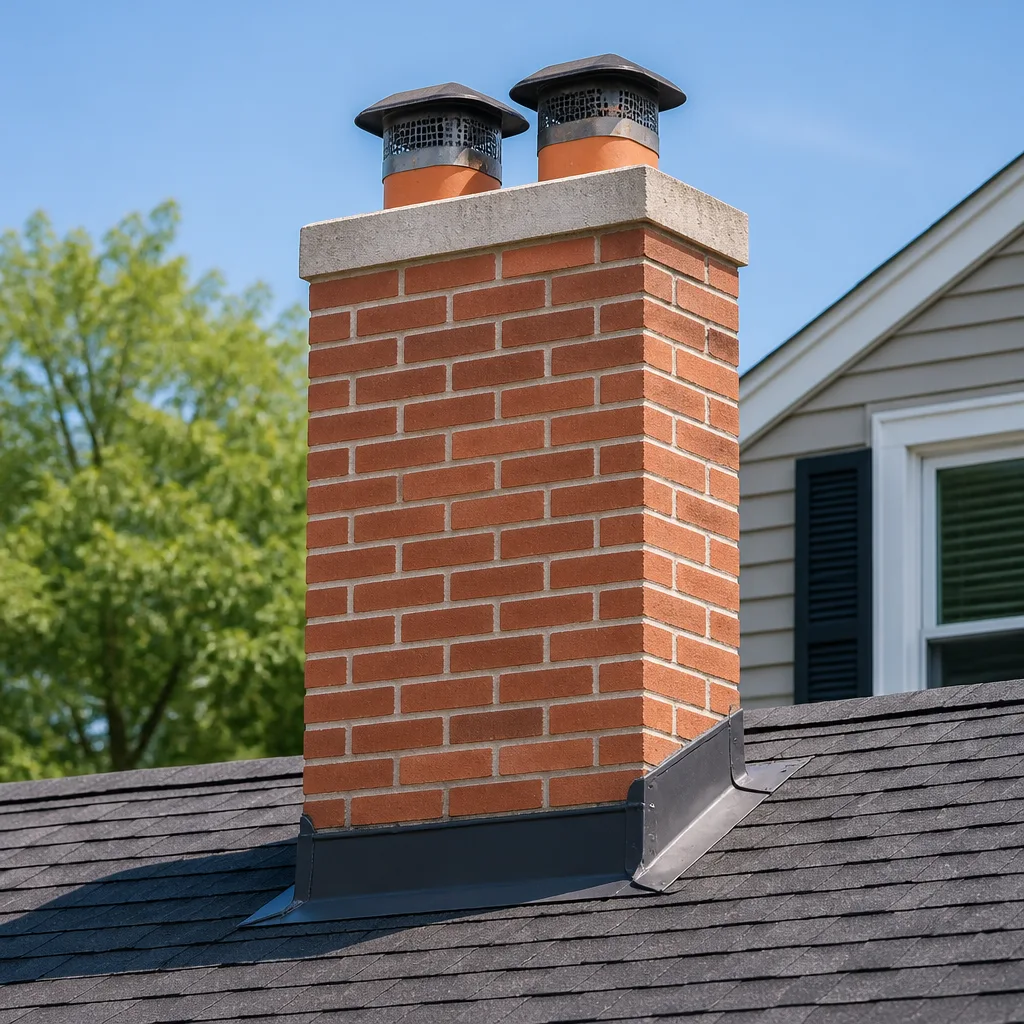 Masonry repair
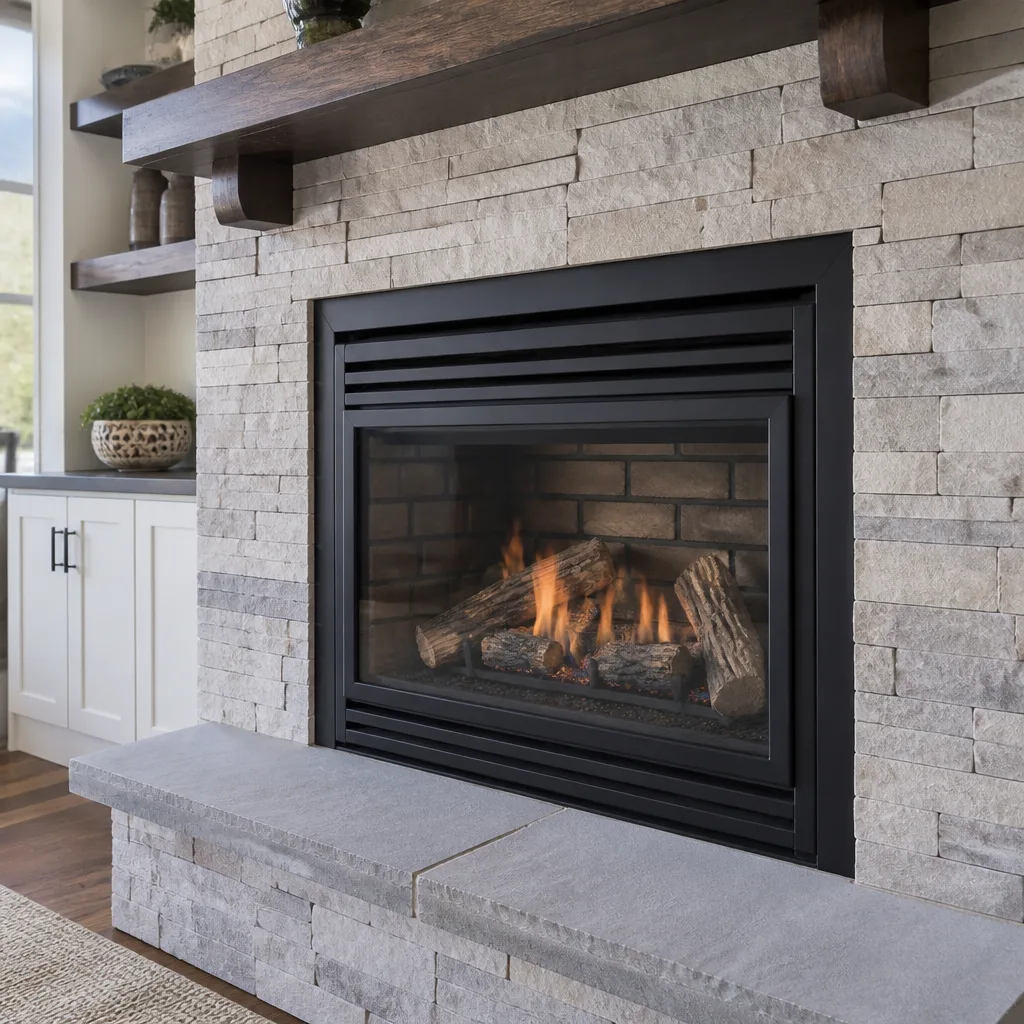 Gas fireplace service
Level 1 sweep and inspection to the NFPA 211 annual standard - flue, crown, cap, and flashing checked and photographed
Chimney sweep logs do not sweep chimneys. They loosen some creosote - which then falls where a brush and vacuum still have to collect it.
Seasonal Chimney Cleaning Care for Chico: Year-Round Homeowner’s Guide
The most common assumption about chimney care is that it’s a once-a-year chore, best scheduled right before the first fire of fall. In Chico, that assumption leaves real damage undetected. A summer afternoon here can push past 108°F, and that kind of sustained heat quietly opens hairline cracks in a mortar crown long before anyone thinks about lighting a fire. Fall then loads valley oak debris onto caps that were never cleared in spring, and winter packs a whole burn season into a shorter, harder stretch of cold nights. This guide walks through chimney care as a four-season discipline for Chico homes, with the specific checks and timing that keep a flue sound instead of a one-time scramble.
Quick Answer
Year-round chimney care in Chico means checking and cleaning in four distinct seasons rather than once a year: inspect the crown and cap for summer heat damage, clear oak debris in fall, sweep and inspect before the concentrated winter burn season, and check for spalling and flashing failure after spring rains and wind. Most homes that burn regularly need at least one professional sweep and inspection per year, but the damage that shortens a chimney’s life usually happens between those visits. Our technicians have up to 8 years of experience reading exactly those seasonal patterns in the valley.
Styles & brands we work with
- Sweep & inspection
- Caps & crowns
- Flue relining
- Masonry repair
- Gas fireplace service
Table of Contents
- Why a Single Annual Sweep Misses Half the Damage
- Summer: Heat, Mortar Crowns, and the Damage You Can See From the Ground
- Fall: Valley Oak Debris and Why Chico Caps Clog Faster
- Winter: A Compressed Burn Season and Stage 2 Creosote
- Spring: Post-Rain Inspection for Spalling, Flashing, and Caps
- Building a Seasonal Care Budget So Costs Don’t Stack in Fall
- A 12-Month Chico Chimney Calendar
- What We Check at Each Seasonal Visit
Why a Single Annual Sweep Misses Half the Damage
A chimney sweep is one event. Chimney care is a year-long condition. The flue, the crown, the flashing, and the cap are all exposed to weather in every season, and none of them wait for your fall appointment to start failing. In many parts of California, the weather is forgiving enough that one annual visit catches most problems. Chico’s swing between very hot summers and a short, intense winter asks more of the masonry and the metal. The result is that a chimney that looks fine in October may already have a cracked crown from July and a cap full of leaf litter from November.
Think about the difference between a cleaning and an inspection. Cleaning removes what has built up inside the flue so it can’t ignite. Inspection finds the structural problems that cleaning can’t touch. When you do both only in fall, you find the damage after it’s had months to worsen, and you find it when every other homeowner in Chico is also booking, which compresses the calendar. Spreading care across the year means the same work happens before problems compound.
There’s also a documentation angle. A chimney is a structural and fire-safety component of the house. When repair work is tied to manufacturer product specifications, as our work is with brands like DuraFlex and HeatShield, you get a documented material trail for your records and for your insurer. That trail is more complete when each season’s findings are recorded rather than crammed into one visit. We document what we find, and that record is worth building across the year, not in a single afternoon.
So the practical takeaway: yes, you still want an annual professional sweep and inspection. But the seasonal checks in this guide fill the gaps between those visits. You’ll know what to look at, what early signs mean, and when to call before a small issue turns into a structural repair.
Summer: Heat, Mortar Crowns, and the Damage You Can See From the Ground
Chico summers routinely reach around 108°F, and the chimney crown sits at the top of the house taking the full sun. The crown is the mortar cap that seals the top of the chimney around the flue. When it heats and cools, it expands and contracts, and like any cement-based material under repeated thermal stress, it develops hairline cracks. Those cracks matter because they let water into the masonry below, where it does its real damage in the following months.
The good news is that much of this is visible from the ground. You don’t need to climb anything to catch early signs.
- A chalky or powdery surface on the crown or the upper chimney suggests the mortar is breaking down. That’s called efflorescence, and it’s often the first visual clue.
- Visible cracks or a rough, crumbling edge on the crown itself. Even thin lines are worth noting, because water finds them.
- Staining down the sides of the chimney, which can point to water getting in at the top and running through the masonry.
- A cap that looks tilted or loose. A fitted cap, like the Gelco and Famco systems we install, should sit level and secure, not sagging to one side.
What we do in summer is examine those crown and cap conditions and recommend the right fix. A crown that’s only beginning to weather can often be sealed. One with deeper damage may call for resurfacing. Because we carry HeatShield, we can resurface damaged flue liners rather than jump straight to a full tear-out, which keeps a lot of Chico homes out of the expensive-repair column when the damage is caught in summer rather than autumn.
The point of a summer look is timing. Cracked crowns don’t fix themselves, and the damage they allow compounds when the rains return. A check now makes the autumn visit cheaper and less surprising.
Fall: Valley Oak Debris and Why Chico Caps Clog Faster
Chico is oak country, and fall fills the air-and the top of your chimney-with leaf litter, twigs, and the small debris that valley oaks shed in volume. This is the seasonal load that catches homeowners off guard, because the litter doesn’t just sit on the cap: it works into the gaps and clogs the openings that are supposed to let smoke out and air in. A clogged cap is a drafting problem, and it’s often the reason a first fire of the season smokes into the room.
Why is this more pronounced in Chico than in coastal cities? Two reasons. First, the leaves here dry out fast under the hot, low-humidity conditions, so they’re light, brittle, and easy for wind to carry straight onto the cap. Second, coastal weather keeps debris damp and matted, where it tends to shed off or break down slowly. Here it blows into the cap openings and stays. Over a season, that dry debris can build into a genuine blockage that restricts airflow.
The fall routine is about clearing the top before the first burn. Here’s how it should go:
- Clear the cap and the area around the flue. A fitted cap is easier to clean than an improvised one because its mesh and frame are a known size and design.
- Check the cap is still seated. Fall wind and the weight of debris can shift a cap that wasn’t properly fitted.
- Look down the flue (from a safe distance) for obvious buildup or animal activity. Birds and squirrels use chimneys in fall, and a fitted cap keeps them out.
- Book your pre-season sweep and inspection before the calendar fills with everyone else in Chico doing the same thing.
- Note anything unusual-smells, staining, or a damper that won’t move-so it can be checked, not guessed at.
If you use a wood stove as real heat rather than a lifestyle feature, the fall check matters more, not less. You’ll burn steadily through the season, and a clean, open flue is what keeps that safe. Our chimney sweep visit early in fall is the one appointment most worth protecting on your calendar.
Winter: A Compressed Burn Season and Stage 2 Creosote
Chico’s winter is milder than the mountains and the high desert, but the burn season here is concentrated: fewer very cold days, so when it does turn cold, homeowners lean hard on the fireplace or stove. That pattern-fewer days, heavier use-is exactly the recipe for fast creosote buildup. Creosote is the byproduct of incomplete combustion, and it accumulates in stages. Stage 1 is a light, sooty deposit that brushes away easily. Stage 2 is a denser, glazed layer that clings to the flue walls and is harder to remove. Stage 3 is the hard, glassy glaze that’s a genuine fire hazard.
The reason winter matters for creosote is that heavy, repeated burning with a cold, slow-starting fire produces more of it. Chimneys that run hot and clean produce less. So the homes that burn most in Chico during a compressed winter are also the homes most at risk of creeping into Stage 2 by the end of the season. This isn’t a reason to stop using your fireplace. It’s a reason to know what your flue looks like before you commit to a long burn.
The winter checks that matter:
- Watch for smoke rolling back into the room. That’s a sign of poor drafting, which can be a clogged cap or a flue that needs cleaning.
- Note black, sticky or glassy deposits if you can see into the firebox. They’re the visible face of higher-stage creosote.
- Keep the damper operating freely. A stuck damper is a drafting and safety issue.
- Schedule a mid-season cleaning if you’re burning heavily. A chimney repair assessment can happen alongside it if anything looks off.
Creosote is the single biggest reason to keep your winter burning matched to a clean flue. It’s also why a spring or summer visit on either side of the burn season pays off: it resets the flue before the next winter and gives you a documented baseline. We don’t sell fear here. We document what we find and tell you plainly whether you can safely wait until the next visit or need work before you light the next fire.
Spring: Post-Rain Inspection for Spalling, Flashing, and Caps
Spring in the Sacramento Valley brings rain and wind, and the top of your chimney carries the brunt of both. This is the season to look for the specific damage that wet weather leaves behind.
- Spalling brick. When water gets into brick and then expands or freezes, or simply pushes out under moisture, the brick face can flake, peel, or break away. That’s spalling, and it’s a masonry problem that worsens if ignored. In Chico, where winters are mild, spalling is more often a slow weathering-and-moisture effect than a hard frost problem, but it’s real.
- Flashing failure. The metal flashing seals the joint between the chimney and the roofline. When it lifts, rusts, or pulls away, water gets under it and into the structure. Spring is when that’s most visible after a wet winter.
- Cap displacement after wind. Valley wind events can shift a cap that wasn’t properly fitted, exposing the flue to debris and weather. A fitted cap, installed to the right size, is far less likely to move.
The spring visit is really about reading the winter’s report card. Rain and wind tell you what held up and what didn’t. If flashing has failed or bricks are spalling, this is the season to plan the repair, not the season to wait for the first fire of fall to discover it. HeatShield resurfacing and DuraFlex flexible liner systems both come into play here: a flue that took on water over winter may need its liner restored or replaced, and a flexible system can fit offset or hard-to-reach flues that rigid liners can’t serve cleanly. We carry that capability so the fix is specified to the flue, not improvised.
Two spring checks you can do yourself: look for staining or rust at the roofline, and check that the cap is still level. Anything more involved belongs to a trained technician on the roof.
Building a Seasonal Care Budget So Costs Don’t Stack in Fall
The single most expensive way to care for a chimney in Chico is to save it all for fall. When every problem surfaces at once-a crown crack, a clogged cap, a liner that needs resurfacing-you’re facing a stack of work at the same moment the calendar is crowded. Spread across four seasons, the same care costs less in stress and often less in dollars, because small problems get fixed before they compound into structural repairs.
Here’s how to budget for it by season:
- Spring: inspection. This is the diagnostic visit. It finds spalling, flashing failure, and cap movement before the weather makes them worse. Budget for it as a once-a-year line item.
- Summer: crown and cap assessment. Usually bundled with the inspection or a sweep. Catching crown cracks early is the cheapest repair you’ll make.
- Fall: sweep and pre-season inspection. Clear the oak debris, sweep the flue, and get the written findings before the first fire.
- Winter: mid-season cleaning if you burn heavily. Only needed on high-use homes, but worth planning for so it isn’t a surprise.
The bigger budgeting point is separating cleaning from repair. Cleaning is predictable and recurring. Repair is not, and it’s the repair costs that stack. Reserving a repair cushion each year, and using the seasonal checks to catch repairs early, keeps the big number from arriving all at once. When a flue needs attention, we’ll tell you which option fits: HeatShield resurfacing where the tile is damaged but salvageable, or a DuraFlex liner where replacement is the right call. The cost is set per job by the written estimate, and the estimate is free.
If you’re weighing where to start, the Chimney Sweep Chico team can map a seasonal plan for your specific chimney and explain what can safely wait.
A 12-Month Chico Chimney Calendar
A quick reference for the seasonal rhythm. Use it to plan the year rather than react to it.
| Season | Main Risk in Chico | Action |
|---|---|---|
| Spring | Rain and wind: spalling, flashing failure, cap displacement | Post-rain inspection; check roof joint and cap |
| Summer | 108°F heat: thermal expansion cracks in mortar crown | Crown and cap assessment from ground level |
| Fall | Valley oak debris clogging caps and flues | Clear cap and flue; pre-season sweep and inspection |
| Winter | Compressed burn season: fast Stage 2 creosote buildup | Mid-season cleaning on high-use homes |
That’s the spine of a year-round approach. It’s not complicated, but it does ask you to think about the chimney in months you’re not using it. In our experience, the Chico homes that avoid big repair bills are the ones whose owners check in each season rather than once.
Note the seasonal urgency is real but not hourly. The right time to act is before the burning season, when the work can be scheduled calmly and the findings can be acted on without a rush. The Chico burn season is short; the care window around it is long.
What We Check at Each Seasonal Visit
Whether it’s a spring inspection or a fall sweep, the checklist overlaps in ways worth understanding. Here’s what a trained technician looks at, and why each item matters in Chico specifically.
- Crown condition. Sealed or resurfaced? Cracked? The crown is the chimney’s first line of defense against water.
- Cap fit and condition. Is it fitted, level, and clear? A properly sized Gelco or Famco cap keeps out weather and animals, which matters in oak country.
- Flue interior. Soot and creosote levels, visible liner damage, and whether resurfacing or replacement is needed.
- Flashing and roof joint. Sealed and intact? A failed joint is a water problem hiding as a chimney problem.
- Masonry condition. Spalling, efflorescence, or cracking in the brick and mortar.
- Damper and firebox. Operating freely and sound.
We use these findings to document what we see and recommend only what the evidence supports. If the camera shows a clean, sound flue, we say so and you can wait. If it shows a problem, we show you the photo so you can see it yourself. Repair work is tied to manufacturer specifications and named products, so your record is traceable. If you want the full scope of our three services, the chimney sweep page covers how cleaning, inspection, and repair fit together under one provider.
The safety note is the one thing to hold onto: chimney fires and carbon monoxide are real risks, and the way to manage them is a clean, sound, properly vented flue. Keep creosote in check, keep the cap clear, keep the crown sealed, and you’ve removed most of what causes a chimney problem.
Common Mistakes to Avoid
- Treating chimney care as a once-a-year fall event. It’s the single biggest mistake we see in Chico: saving everything for one visit lets summer crown cracks and spring flashing failures go unnoticed for months while they worsen.
- Skipping the summer crown check because the chimney “looks fine.” Crown cracks are often hairline and invisible from the ground until efflorescence or a rough edge appears, so a professional look catches what the eye misses.
- Ignoring the fall oak debris until the first fire smokes. Clear the cap before the burning season starts, when the litter is dry and light and piles up fast.
- Burning heavily in winter without a mid-season cleaning. A compressed burn season can push a flue from light soot into Stage 2 creosote faster than a homeowner expects.
- Assuming a cap is fine because it was installed once. Cap displacement after valley wind events is common, and a fitted cap installed to the right size is what actually keeps it in place.
- Letting one report become one contractor’s upsell. Without camera evidence or a photo record, you have no way to verify liner or masonry work is needed; insist on seeing what the technician sees.
- Waiting for the first cold snap to book a sweep. The calendar fills when everyone else in Chico books at once, so the work you need most in winter is the hardest to schedule.
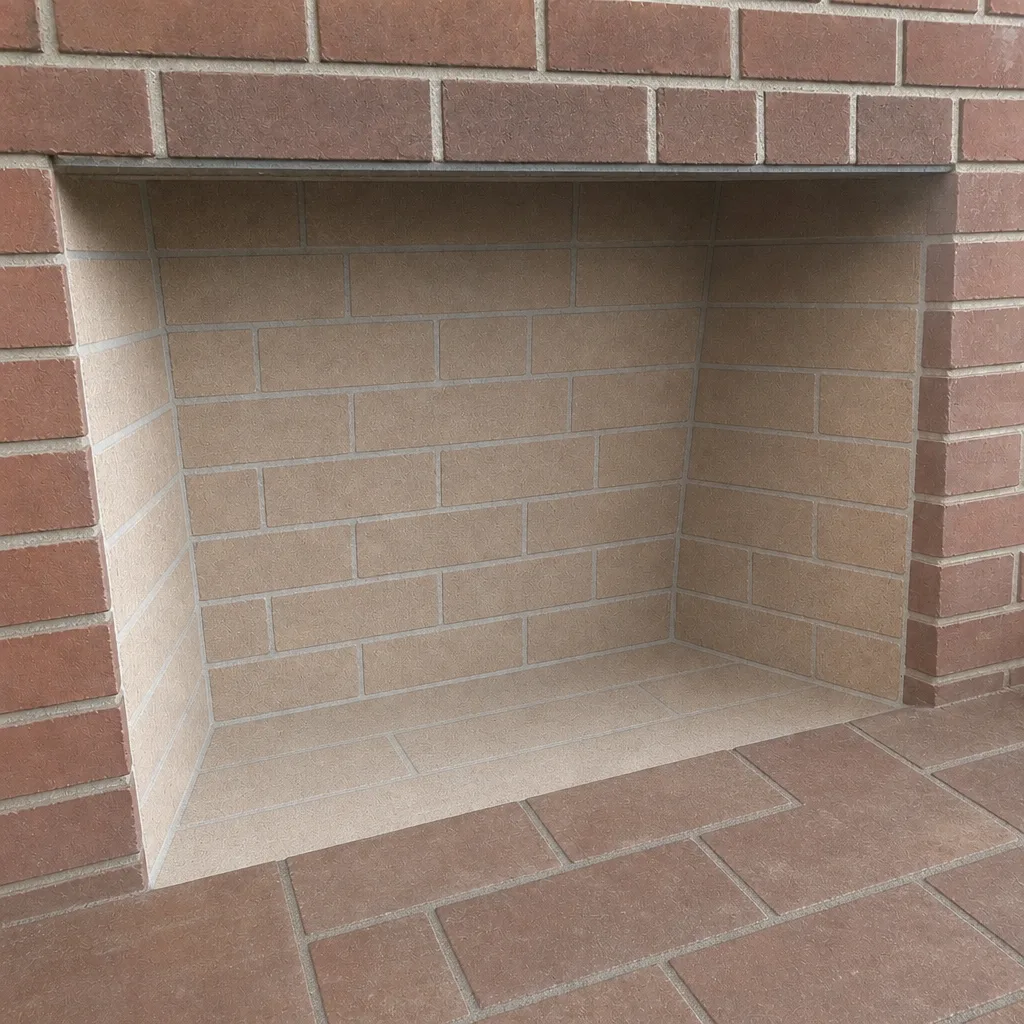
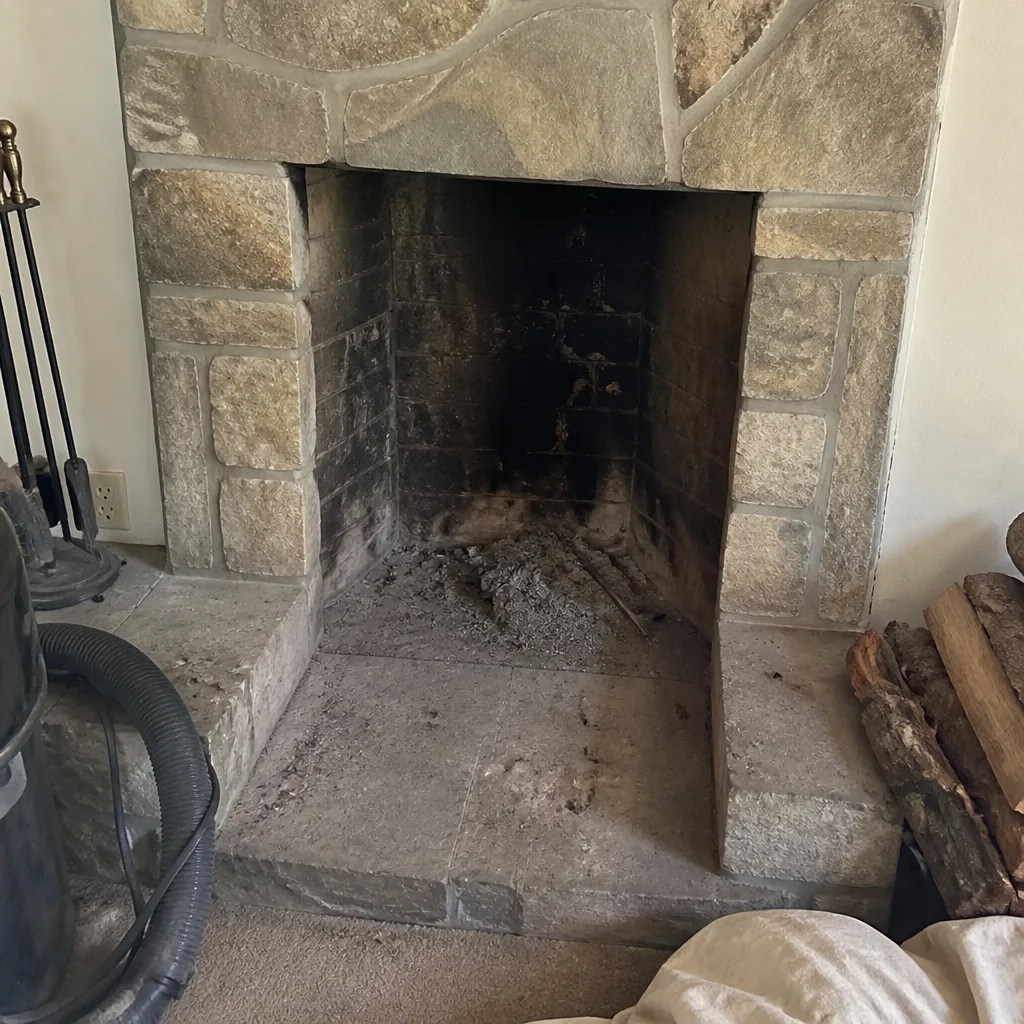
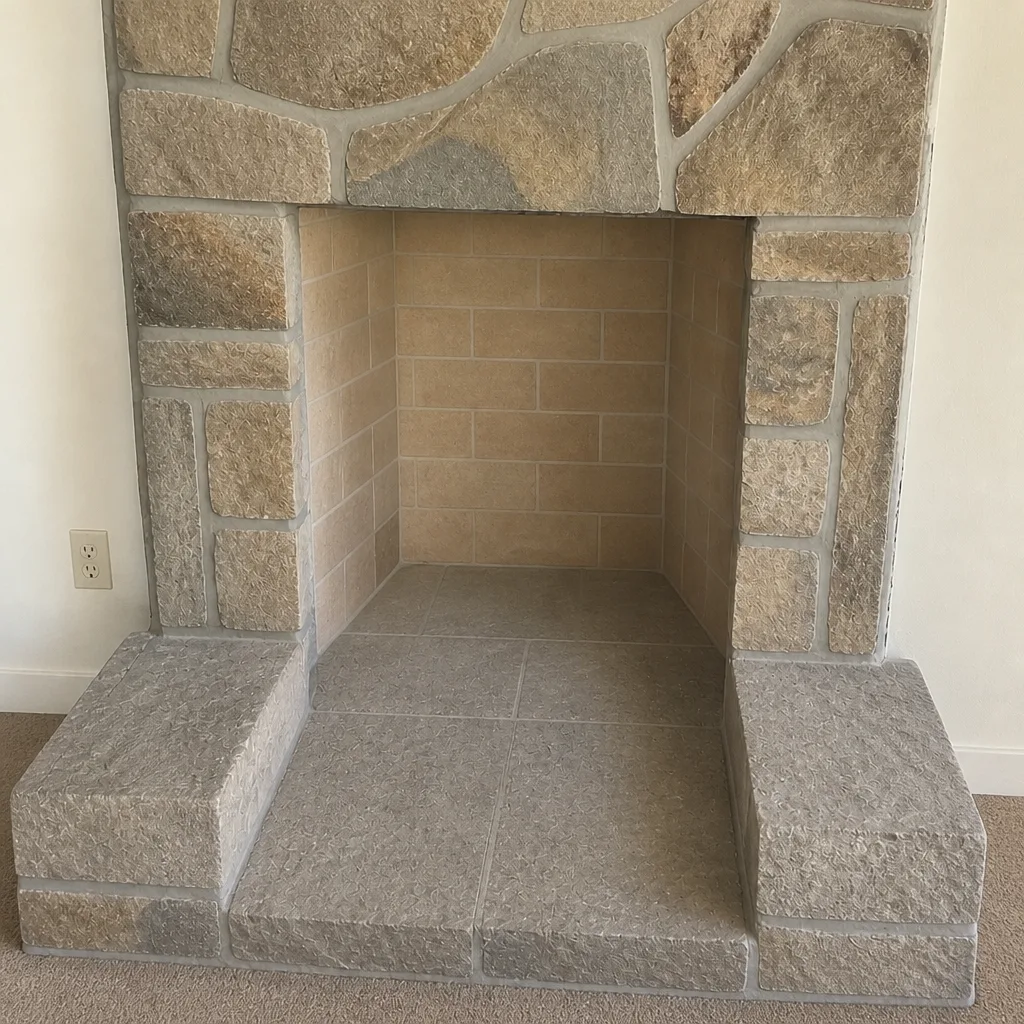
See the difference
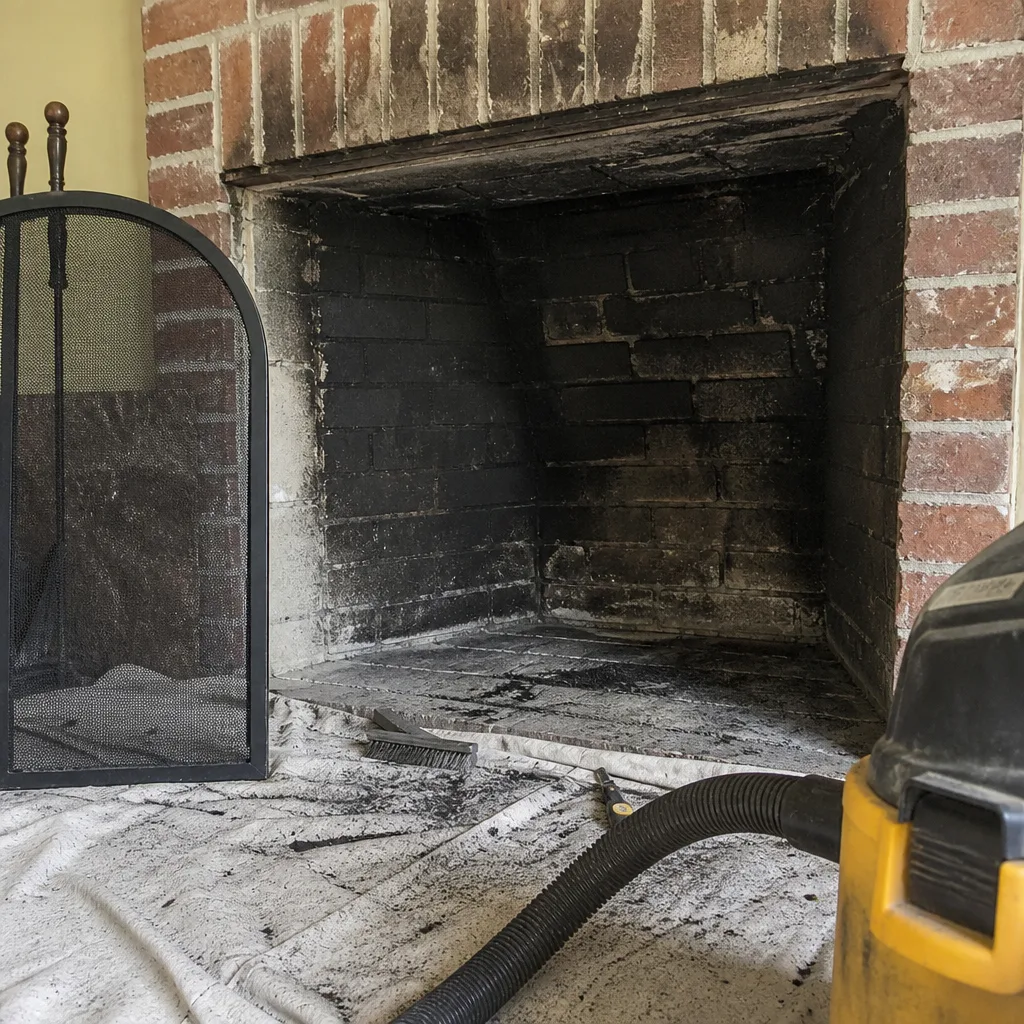 Before
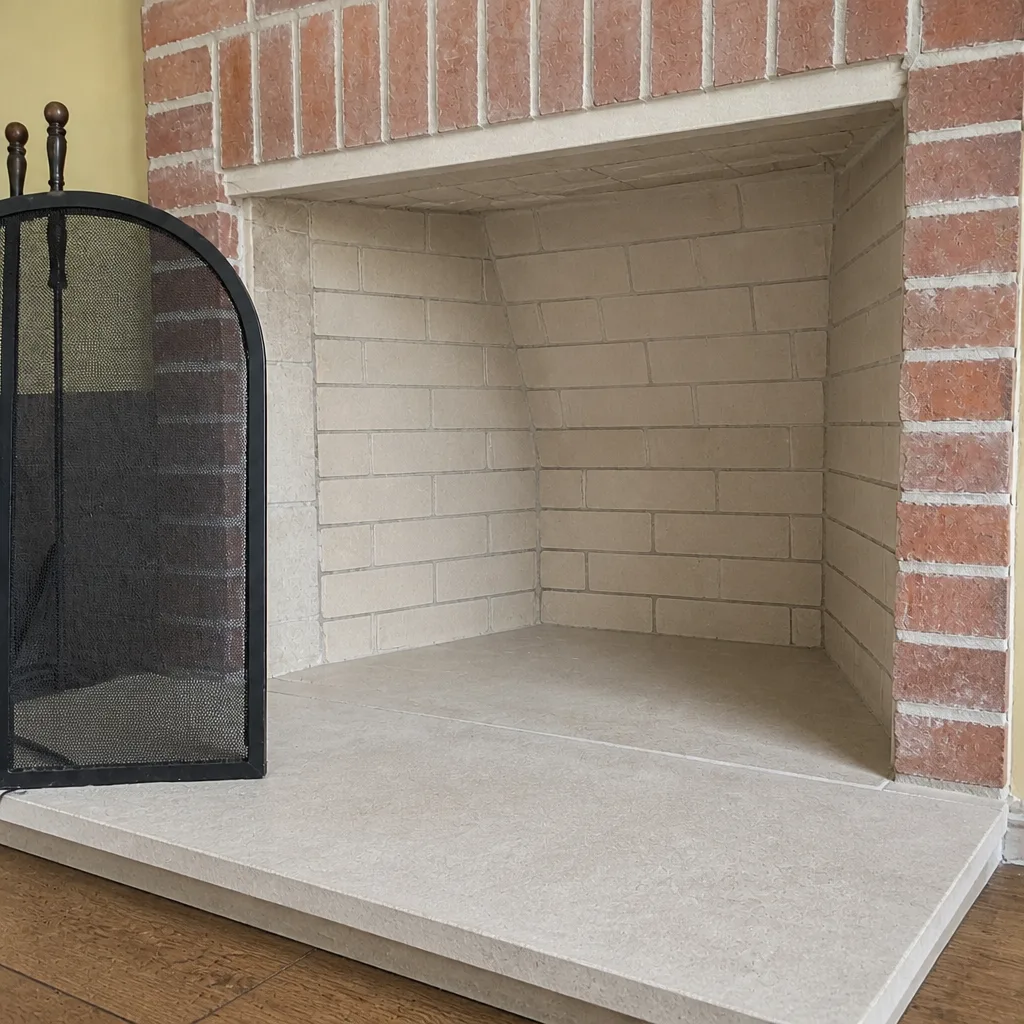 After
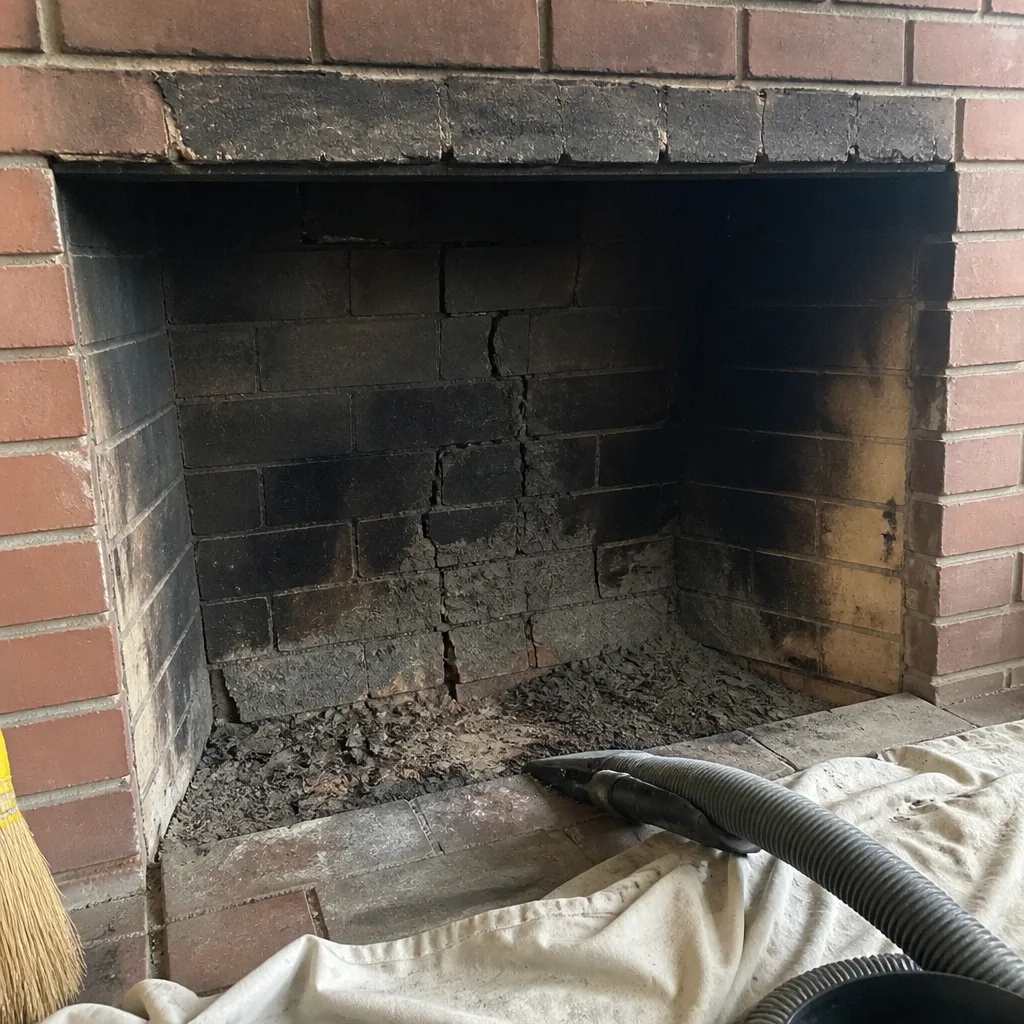 Before
 After
 Before
 After
When to Call a Professional
Some seasonal checks you can do from the ground: looking for crown cracks, leveling a cap, noting staining at the roofline. But several situations call for a technician rather than a homeowner’s best guess. Call if you see smoke rolling back into the room, if you notice black or glassy deposits in the firebox, if the cap is displaced or a bird has taken up residence, if there’s staining or rust at the roof joint, or if you simply haven’t had the flue inspected in the last year and you burn regularly. Anything structural-crown repair, liner resurfacing, flashing replacement-belongs to a trained professional, and climbing the roof to check flue interior or cap fit is a height-and-safety risk best left to the trade. Chimney Sweep Chico offers free estimates in Chico. Call (844) 320-4731. We answer 24/7. Fast dispatch from 7am to 7pm, Sunday through Friday.
Frequently Asked Questions
At least once a year for most homes, and more often if you burn heavily through the compressed winter. Because Chico’s patterns concentrate burning into a shorter season, high-use homes can build creosote faster and may benefit from a mid-season cleaning. A professional sweep and inspection once a year is the baseline, with seasonal checks in between.
Once a year catches the sweeping and the main inspection, but it doesn’t catch the between-visit damage that Chico’s seasons cause: summer crown cracks, fall debris loading, spring spalling. Year-round care is about checking in each season so those issues are seen early, not waiting for one fall appointment to surface everything at once. Call (844) 320-4731 for an exact quote on a seasonal plan; estimates are free.
Heat in the range of 108°F stresses the mortar crown through expansion and contraction, opening hairline cracks that let water in later. The warning signs are a chalky or powdery surface, a rough or crumbling crown edge, and staining down the sides. Catching a cracked crown early is much cheaper than repairing masonry damage from water that got through it.
Valley oak debris dries out fast in Chico’s low-humidity heat, making it light and easy for wind to carry onto the cap, where it stays and builds. Coastal weather keeps debris damp and matted so it sheds off differently. A fitted Gelco or Famco cap sized correctly and cleared in fall keeps the flue open. Call (844) 320-4731 to book a fall clearing; estimates are free.
Check from the ground for staining or rust at the roofline, and look at whether the cap is still level. Those are the visible signs of flashing failure and cap displacement. Anything more-such as flue inspection or masonry assessment-should be done by a technician, because it involves the roof and the flue interior.
Sometimes yes, and we’ll tell you plainly when it can. A clean, sound flue with no crown or flashing issues can wait until the next annual visit. A cracked crown, displaced cap, or higher-stage creosote should be addressed before the next burn. We document what we find and show you the evidence, so the decision is yours to make with real information.
The Bottom Line
Chimney care in Chico works best as a four-season practice, not a fall scramble. Summer heat cracks mortar crowns, fall oak debris clogs caps and flues, the compressed winter burn season builds creosote faster, and spring rain and wind expose spalling, flashing failure, and cap displacement. Check in each season, book the annual sweep and inspection before the burning season, and build a small repair cushion into your budget so the costs don’t stack in autumn. The goal is simple: a clean, sound, properly vented flue you have documented proof of, before you light the first fire.
If it’s time for a seasonal check, or you’d like a written plan for your chimney, call Chimney Sweep Chico at (844) 320-4731 for a free estimate. We answer 24/7. Fast dispatch from 7am to 7pm, Sunday through Friday. Our three services-cleaning, inspection, and repair-are backed by manufacturer-spec products and a documented record for your files.
Written by the team at Chimney Sweep Chico.