
Last updated November 16, 2026
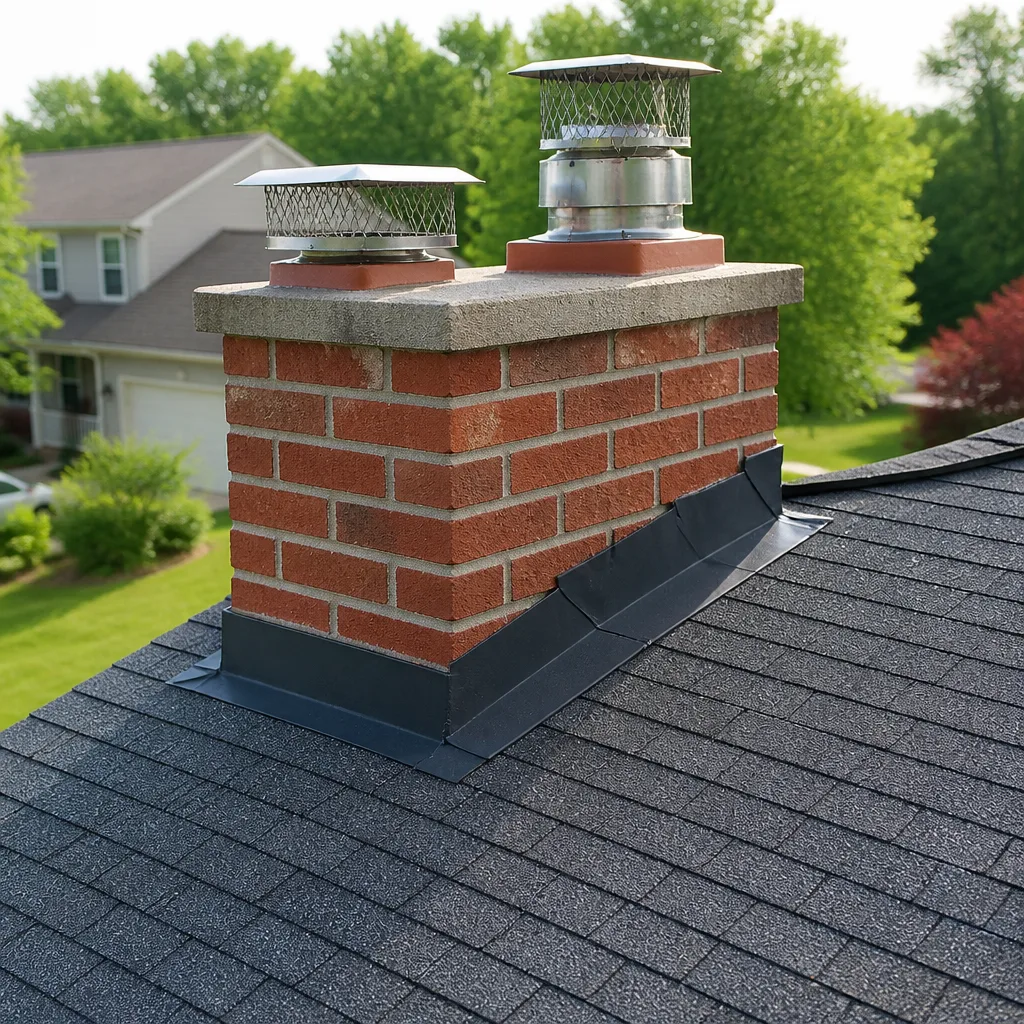 Sweep & inspection
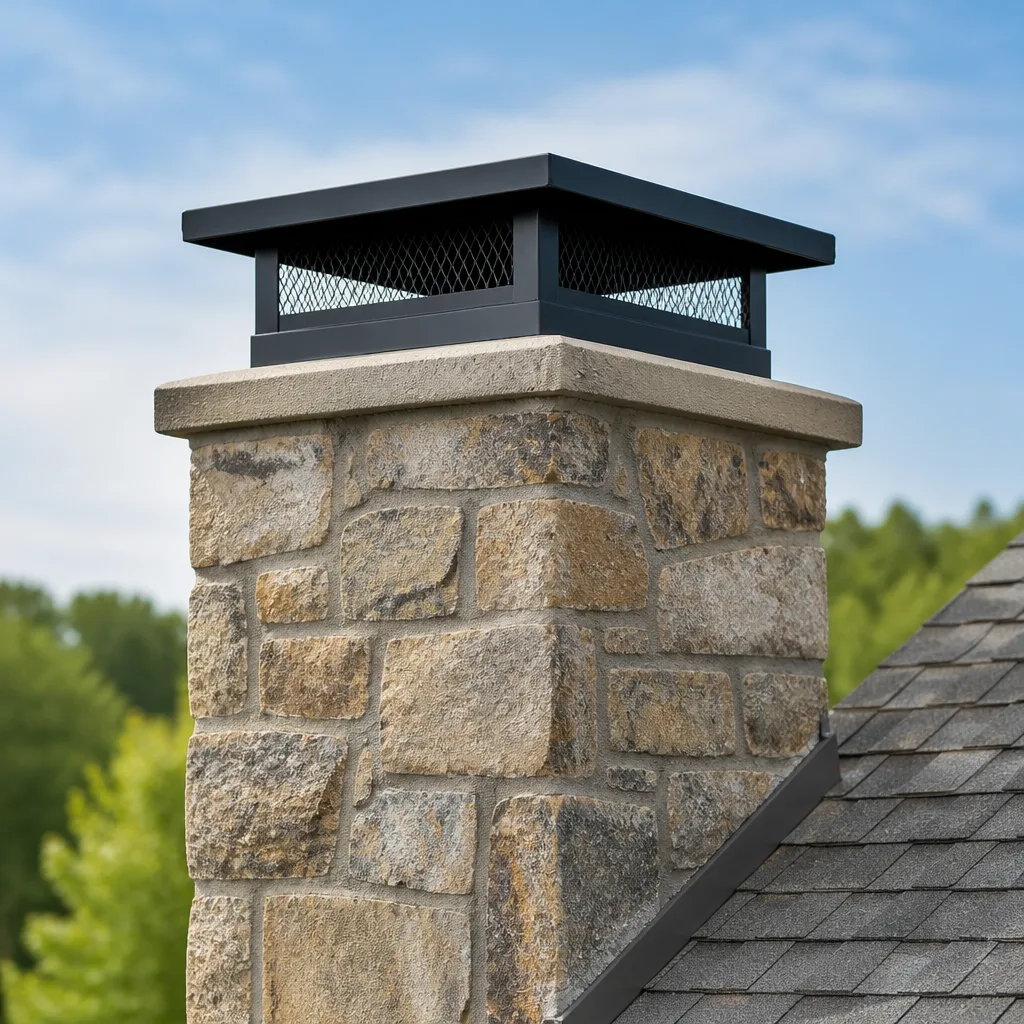 Caps & crowns
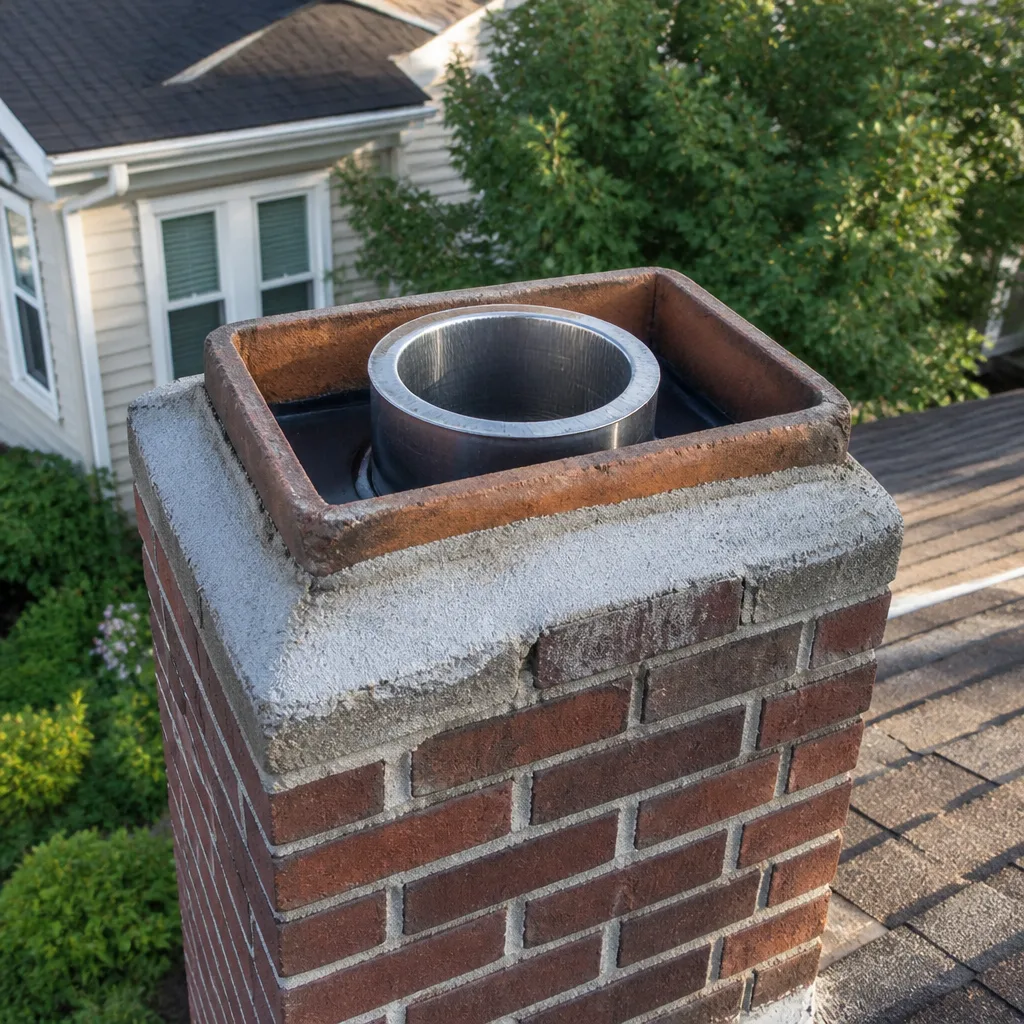 Flue relining
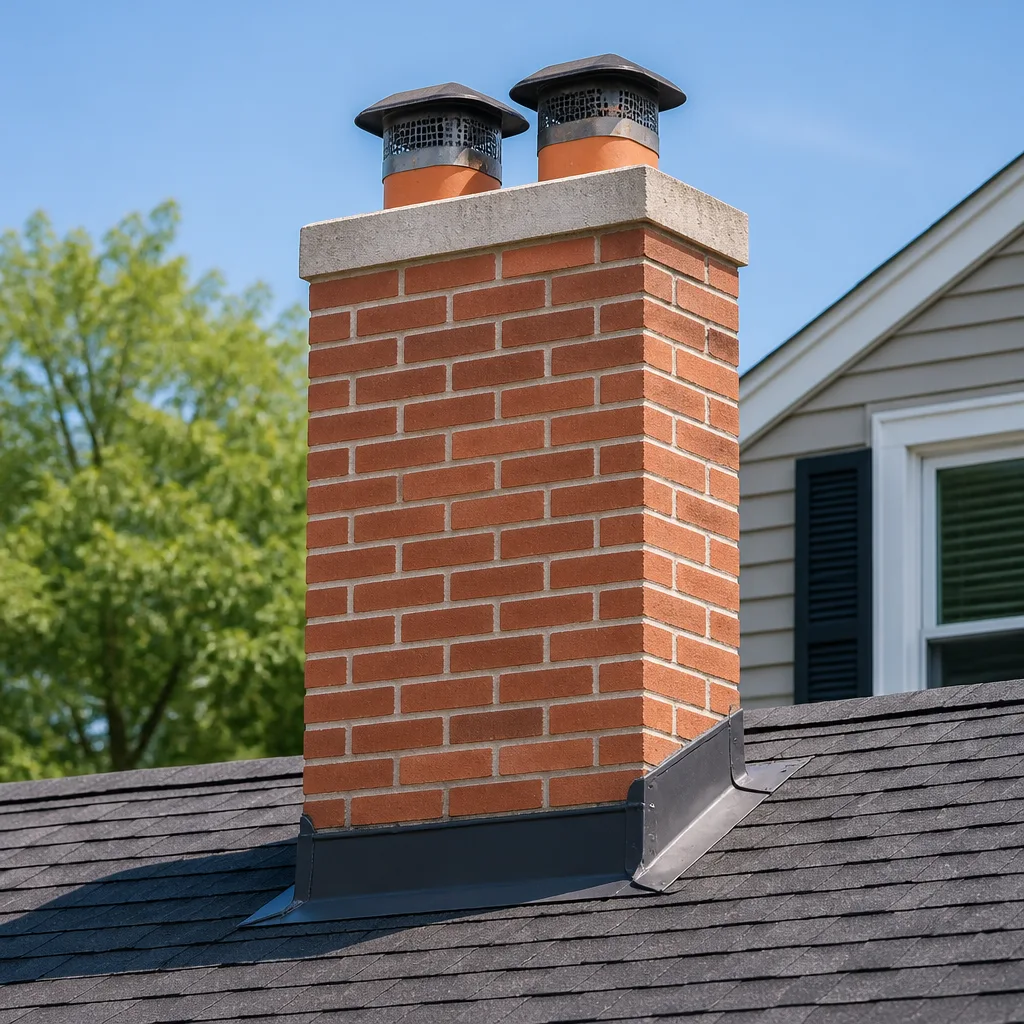 Masonry repair
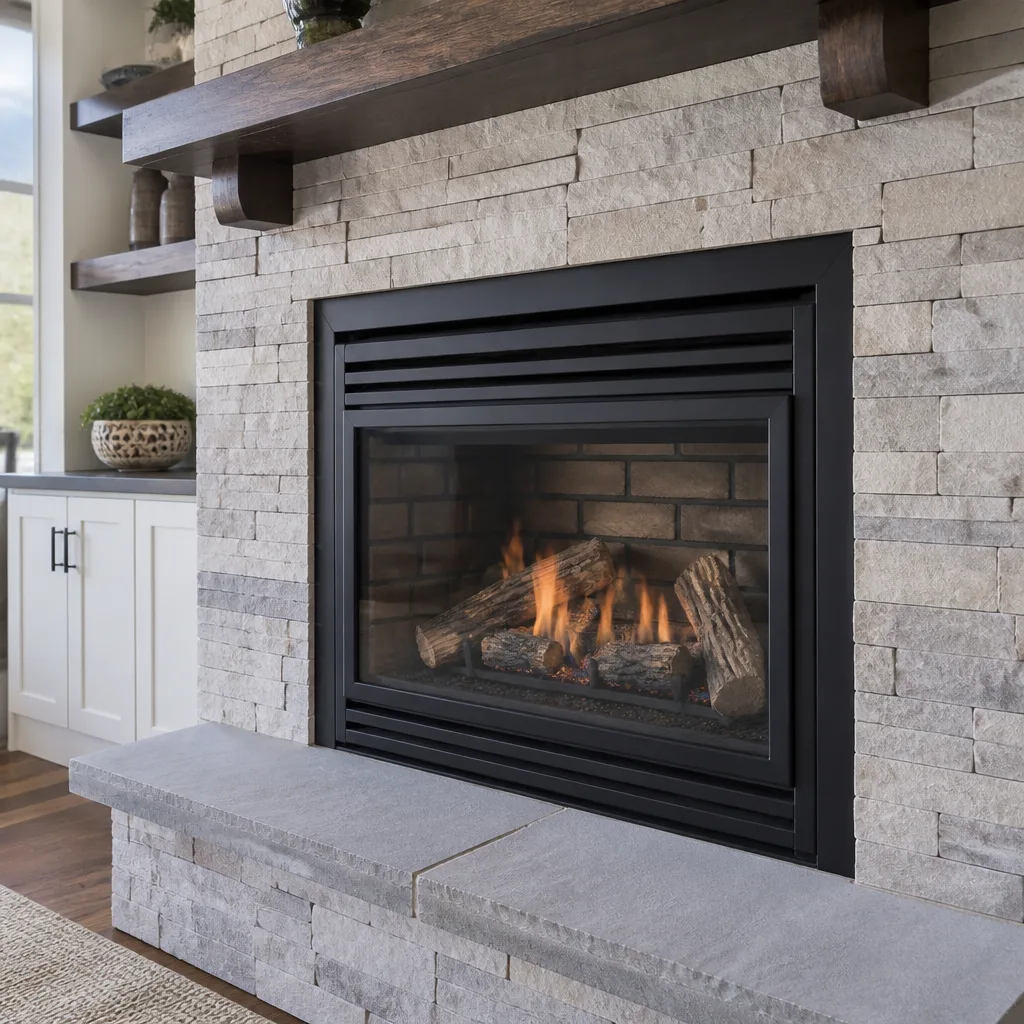 Gas fireplace service
Level 1 sweep and inspection to the NFPA 211 annual standard - flue, crown, cap, and flashing checked and photographed
Chimney sweep logs do not sweep chimneys. They loosen some creosote - which then falls where a brush and vacuum still have to collect it.
DIY vs Professional Chimney Cleaning: The Chico Homeowner’s Decision Guide
A chimney brush and a shop vac will pull loose soot out of a flue. That part is true, and it’s why the DIY-versus-professional conversation keeps circling back to tools and technique. But tools aren’t the real dividing line. The real line is liability. A self-cleaned chimney can look spotless from the firebox and still hide a cracked liner tile directing heat toward your attic framing, and when a fire claim lands on an insurance desk in Chico, what gets reviewed isn’t how clean the flue looks. It’s what was documented. This guide covers what a Chico homeowner can legitimately handle themselves, where owner-maintenance ends and certified work begins, and how a written inspection report protects you in ways a clean flue never can.
Quick Answer
You can safely handle ash removal, a visual firebox check, and damper operation yourself. You can’t safely or legally substitute for a professional sweep when it comes to creosote removal, flue inspection, or any work inside the flue itself. In Chico, where wood heat runs hard through the burning season, the practical rule is this: the moment soot turns into glaze, or a visual check finds damage, the job belongs to a certified sweep with a documented report. DIY cleaning has a place. It just doesn’t extend to the parts of chimney work that carry fire risk or insurance consequences.
Styles & brands we work with
- Sweep & inspection
- Caps & crowns
- Flue relining
- Masonry repair
- Gas fireplace service
Table of Contents
- What You Can Legitimately Do Yourself
- Why Stage 2 and Stage 3 Creosote Isn’t a DIY Job
- Insurance Language, Fire Claims, and What “Professional Inspection” Means
- The Hidden Damage Problem: When DIY Cleaning Makes Things Worse
- How a Certified Inspection Report Creates a Liability Paper Trail
- DIY Cost vs Professional Cost: The Honest Math
- What Makes Chico Chimneys Different
- When to Clean and When to Inspect: A Seasonal Timeline
What You Can Legitimately Do Yourself
Homeowner maintenance on a wood-burning fireplace is real work, and it has real value. It just has clear edges. Here’s what falls safely inside them.
Ash Removal
Clearing ash from the firebox is the single most useful thing a homeowner can do between professional cleanings. Let ash cool completely, use a metal shovel and a metal container with a tight lid, and set the container on a non-combustible surface away from the house before you dump anything. Ash can hold heat far longer than people expect. Keep a thin layer of ash on the firebox floor if you’re actively burning; it cushions the fire and helps combustion. It’s the deep clean into the flue that belongs to the sweep.
Visual Firebox Inspection
You can look. You can and should check the firebox for cracked brick, crumbling mortar joints in the firebox walls, a warped or bent damper, or a smoke shelf that’s packed with debris. What you can’t do is look from the firebox up into the flue and know what you’re seeing. A homeowner sees shadow. A certified sweep using a camera sees the difference between soot staining and a hairline crack in a flue tile.
Damper Operation Check
Open and close the damper. It should move freely and seat fully. A damper that sticks, drops out of its frame, or won’t seal is a safety issue worth flagging before your next fire. That’s a check you can do. Repair of a damper is not.
That’s the list. Ash, visual check, damper. Everything else described in most YouTube chimney-cleaning videos involves the flue itself, and the flue is where a homeowner’s DIY limits end.
Why Stage 2 and Stage 3 Creosote Isn’t a DIY Job
Creosote is the tar-like residue that builds up when wood smoke cools against a flue surface. It forms in three distinct stages, and they are not comparable problems.
- Stage 1 is fine, flaky soot. It brushes off easily. This is the stage a homeowner with a brush and a vac can often address, technically.
- Stage 2 is hardened, crusty creosote. It clings. A standard brush skips off it. Removal requires specific mechanical tooling or chemical treatment applied with proper ventilation and containment.
- Stage 3 is glazed, shiny, tar-like creosote. This is the most dangerous stage. It’s what ignites in a chimney fire, and it doesn’t brush off at all.
The problem with DIY beyond Stage 1 isn’t just that it doesn’t work. It’s that removing Stage 2 and Stage 3 creosote means deploying chemicals that require proper safety protocols, or mechanical tools that require knowing how much force a flue tile can take before you crack it. A brush misapplied against a clay tile can gouge the flue. A chemical cleaner used without proper containment can damage surrounding masonry. The product labels and the YouTube demos won’t tell you that a cracked flue tile behind the creosote is a fire pathway. A certified sweep checking the flue with a camera before and after removal will.
If your flue has gone two or more seasons without a cleaning in Chico, the creosote layer is likely Stage 2 or worse. That’s the point where professional service stops being optional.
Insurance Language, Fire Claims, and What “Professional Inspection” Means
Here’s the part of the DIY equation that most homeowners don’t think about until after a fire. Standard homeowners insurance policies in California and across the country typically include wording that makes maintenance the homeowner’s responsibility. Buried in the maintenance clauses is language about “reasonable care” and “neglect.” Some policies use the phrase “professional servicing” or “professional inspection” explicitly. When a fire claim gets reviewed, the adjuster looks for documentation that the chimney was serviced by a qualified professional at appropriate intervals. If the only record is a homeowner’s memory of cleaning the flue themselves, the claim can be contested on the grounds of neglected maintenance, even if the fire wasn’t caused by the creosote.
What “professional inspection” means in insurance context isn’t a visual look by a handyman. It means a documented inspection by a certified chimney professional, with a written report identifying what was inspected, what was found, and what was recommended. The report becomes evidence. A clean flue with no document is a clean flue with no defense. That’s the counterintuitive cost of DIY cleaning in Chico: not the cleanup, but the missing paper trail when it matters most.
If you’re unsure what your specific policy requires, call your insurance company and ask. It’s one phone call, and the answer may change how you approach every burning season.
The Hidden Damage Problem: When DIY Cleaning Makes Things Worse
A soot layer on a flue tile is cosmetically ugly. It’s also camouflage. Cracks, spalling in the clay, gaps in the mortar joints inside the flue, and offset flue sections that flex and stress all hide under soot. When a homeowner brushes that soot off without a camera, the soot goes away. The crack stays. Worse, the brushing can polish the crack edges so they’re harder to see on a subsequent visual inspection than they would have been with the soot still in place.
This isn’t a reason to never clean. It’s a reason to understand that cleaning a flue has two jobs: remove the creosote, and verify the condition of what’s under it. The first job a homeowner can do. The second job requires a camera and a trained eye.
Where this becomes a repair problem is when a hidden crack in a flue tile is directing heat into the surrounding chimney chase, which in many older Chico homes is framed with combustible material close to the flue. The heat has nowhere to go but into that material. The problem can build for years under a clean-looking flue. It’s the reason a professional inspection happens before cleaning, not after, and why our technicians document what we find with camera footage and photos you can review themselves.
When we do find damage, some of it can be addressed without tearing out the entire liner. HeatShield resurfacing can restore damaged flue tiles in cases where a full liner replacement would otherwise be the only option. That’s a repair path most homeowner-maintenance routines never consider, because most homeowner visual checks can’t find the problem in the first place.
How a Certified Inspection Report Creates a Liability Paper Trail
A CSIA-certified chimney inspection produces three things that matter to a homeowner: a written report, a photographic record, and a designated inspection level.
- Level 1 inspection is the routine check: readily accessible portions of the chimney, firebox, and flue, typically with a camera. This is the annual inspection most families need.
- Level 2 inspection goes further. It happens when the home changes hands, after a chimney fire, after any change in the chimney system, or when a Level 1 inspection or a cleaning turns up a red flag. It includes a video scan of the flue interior. Level 2 is often the level your insurance company wants to see documented.
- Level 3 inspection is invasive. It’s warranted when specific areas of concern can’t be reached with a camera and require opening a wall or other access. Level 3 is not routine.
The report is what makes the process valuable. It’s not a verbal “looks fine.” It’s a written record you keep, with the date, the condition of the flue, what was found, what was recommended, and who performed the inspection. If a fire happens after documented professional service, the record shows that reasonable care was exercised on a defensible timeline. That’s a document that speaks the same language your insurance company speaks. It costs less than most people assume, and it’s the single most effective liability protection a homeowner can hold on the chimney.
DIY Cost vs Professional Cost: The Honest Math
DIY sounds cheaper on the surface. The math changes when you account for what you actually get.
- DIY equipment: Brush, rods, drop cloths, a shop vac rated for fine soot, and possibly a camera on a cable to see into the flue. Equipment cost alone typically lands in the range of a single professional service call once you buy anything rated for the job.
- DIY time and risk: A full DIY clean on a one-story flue takes several hours, more on a two-story or a roofline access. Roof access carries fall risk, especially on a damp or sloped roof.
- Professional service: A chimney sweep, inspection, and written report bundled together, priced by written estimate. The report is what makes the visit worth more than the cleaning alone. It’s also the part you can’t produce yourself.
- The gap: No DIY clean produces a report your insurance company can use. No DIY clean produces a camera scan that identifies a hairline tile crack. If a fire occurs after a self-cleaned chimney, there’s no document to defend the maintenance history.
In practice, most Chico homeowners who start with DIY and later call us do so not because the cleaning failed, but because they realized they had no way to verify the flue behind the soot. That’s a real gap. It’s also an easy one to close. Professional pricing in Chico is set per job by written estimate, and the estimate is free.
What Makes Chico Chimneys Different
Chico winters are mild, but the burning season here is long. Residents of neighborhoods like the Avenues, Chapman, and the streets south of downtown often run their wood stoves or fireplaces as a meaningful secondary heat source through much of the season, not just for occasional ambiance. That matters for creosote formation. Long, steady burns with limited air flow are what produce the heaviest creosote deposits. A fireplace used two or three times a year rarely accumulates Stage 2 creosote. A stove used as a heat source through the season often does. The same house, same wood, same flue, two very different maintenance needs.
Chico’s housing stock also varies. Older neighborhoods have clay-tile flues that are original to the house, and clay tile eventually cracks with age and heat cycling. Newer construction may have insulated stainless liners, which are more durable but still require inspection after any chimney fire or prolonged heavy use. Working with a company that can inspect, clean, and repair under one roof matters here. When an inspection turns up a cracked tile or a failed liner, the repair path should be a manufacturer-spec solution, not a referral to a separate contractor who has to rediscover the problem. For Chico homeowners, Chico chimneys are as varied as the neighborhoods they sit in, and the right maintenance routine depends on which one you have.
We work with a defined set of professional-grade product brands on repairs and installations, including HeatShield for resurfacing, DuraFlex flexible liner systems for offset or complex flues, and Olympia Chimney for other liner components. That matters when the repair path needs to be documented with product-specific specs for insurance purposes. It also matters when the flue layout is unusual and a rigid liner won’t fit. DuraFlex flexible systems are designed for exactly that case.
When to Clean and When to Inspect: A Seasonal Timeline
Cleaning frequency and inspection frequency are not the same thing. Here’s how they should sit on a calendar.
- Before the burning season begins is the right window for a professional inspection. Every year for most families. The inspection tells you whether the flue is in condition to burn, and it gives you time to schedule any repair before you need the fireplace.
- Every cord of wood burned or roughly once a year of active use is the standard benchmark for sweeping. If you burn heavily through the season, plan the sweep at the same visit as the inspection.
- After any chimney fire, cleaned and inspected even if the fire seemed minor. A Level 2 inspection is the right step at that point.
- Before or after any chimney system change, including a new appliance, a new liner, or a flue modification.
- When you sell or buy a home, a Level 2 inspection is the standard expectation and often the requirement.
The seasonal logic is straightforward. Start with an inspection before burning season within Chico, and you know what you’re working with. Then schedule the sweep based on what the inspection found. Yearly inspection, sweep as needed. That pattern covers every case.
Common Mistakes to Avoid
- Cleaning the flue without inspecting first. Cleaning removes evidence. Inspect before cleaning so any hidden damage is found while it’s still findable.
- Assuming “clean” means “safe.” A flue can pass a visual check while a hairline crack in a flue tile is directing heat into your structure. Clean and safe are different questions.
- Burning unseasoned wood to save money. Unseasoned wood produces more creosote, faster. It’s a false economy in a Chico burning season and it accelerates the flue’s maintenance needs.
- Trusting a verbal “looks fine” instead of a written report. A verbal report can’t be used in an insurance claim. A written, dated report can.
- Storing ash in a plastic container or vacuuming ash with a regular shop vac without a fine-soot filter. Ash holds heat for hours and can ignite later.
- Hiring a sweep who can clean but can’t repair. When the inspection finds a crack, you’re back to searching for a second contractor, and the damage sits unresolved while you search.
- Skipping the inspection because the chimney “worked fine last year.” Chimneys don’t fail on a schedule. Most problems get found by inspection, not by accident.
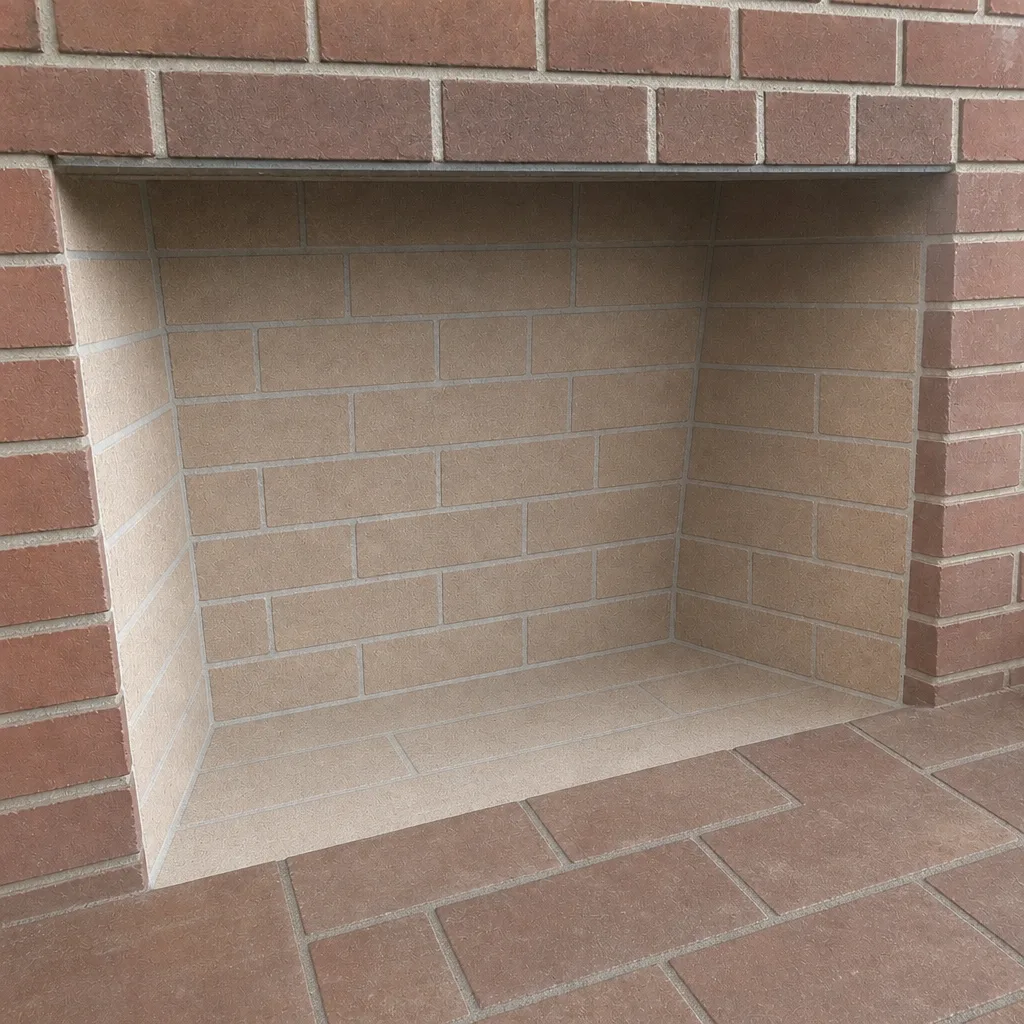
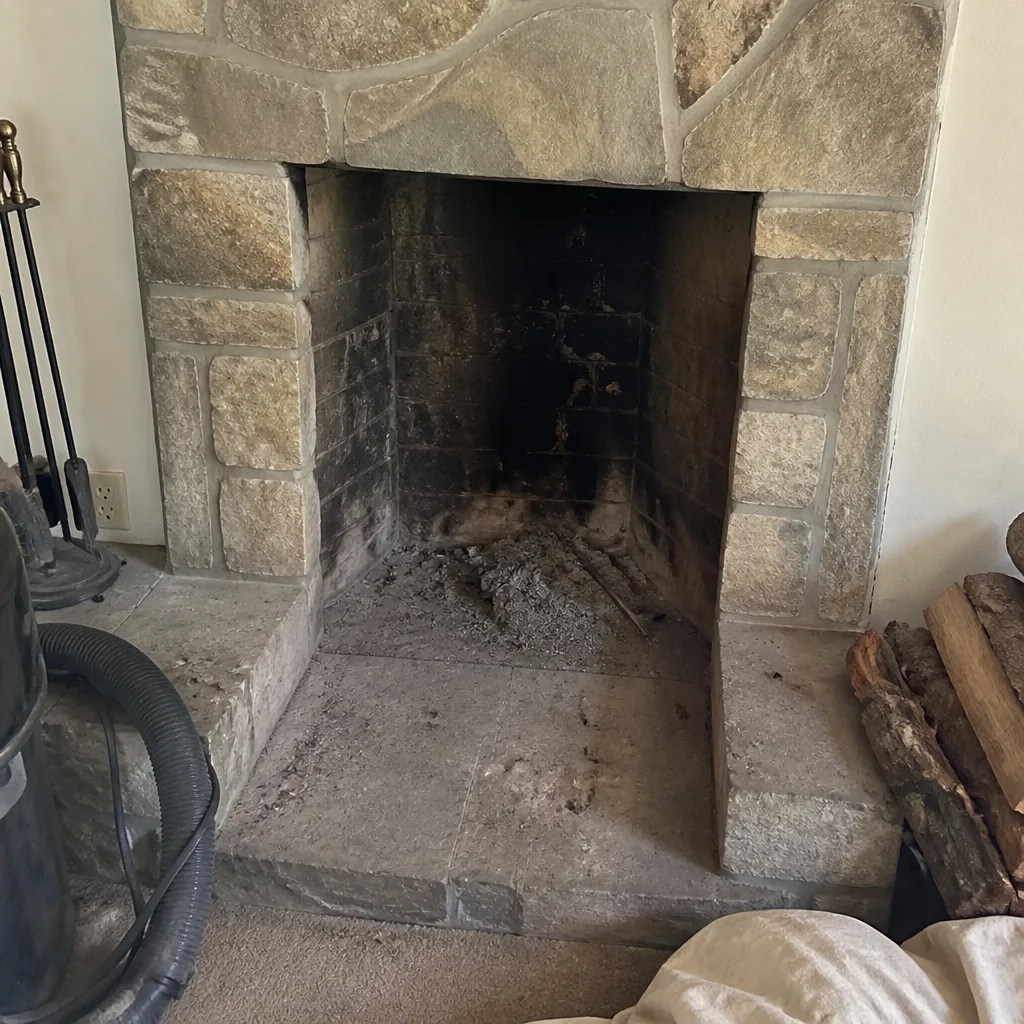
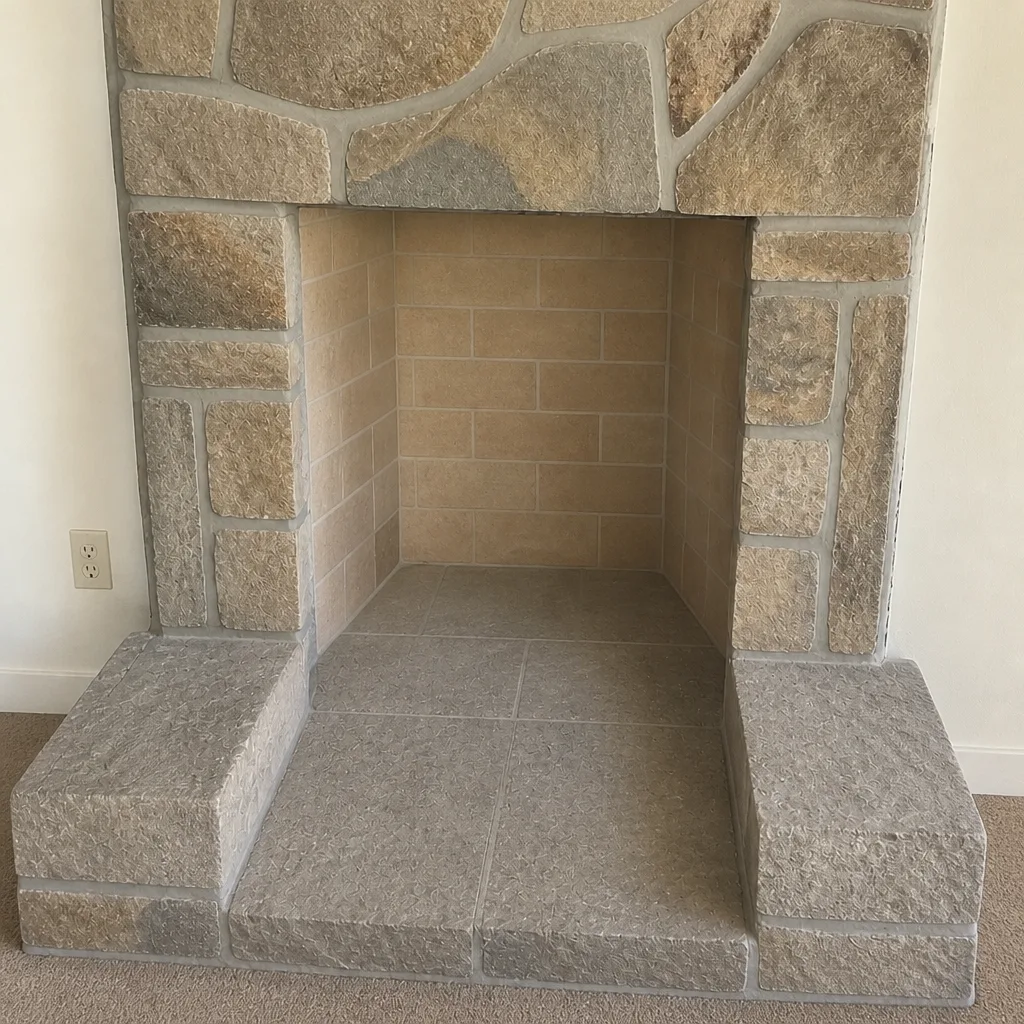
See the difference
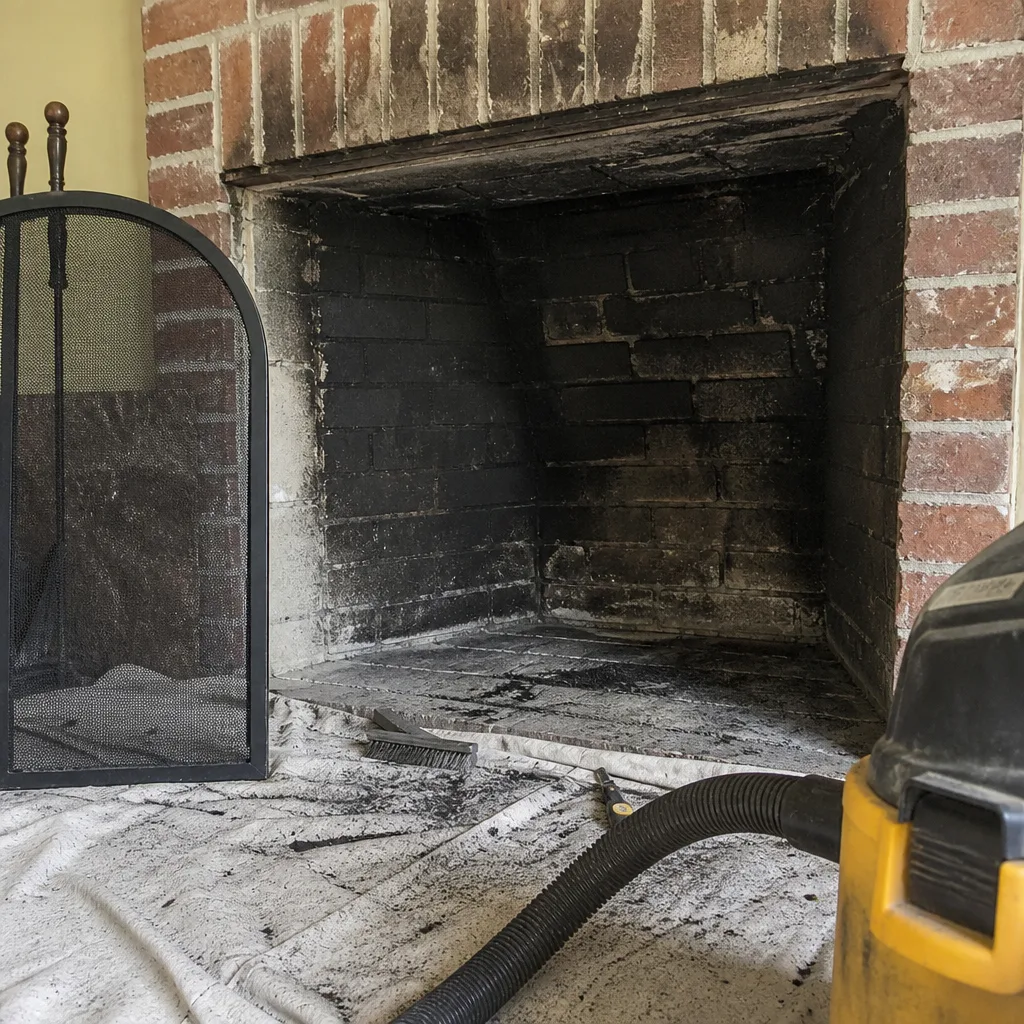 Before
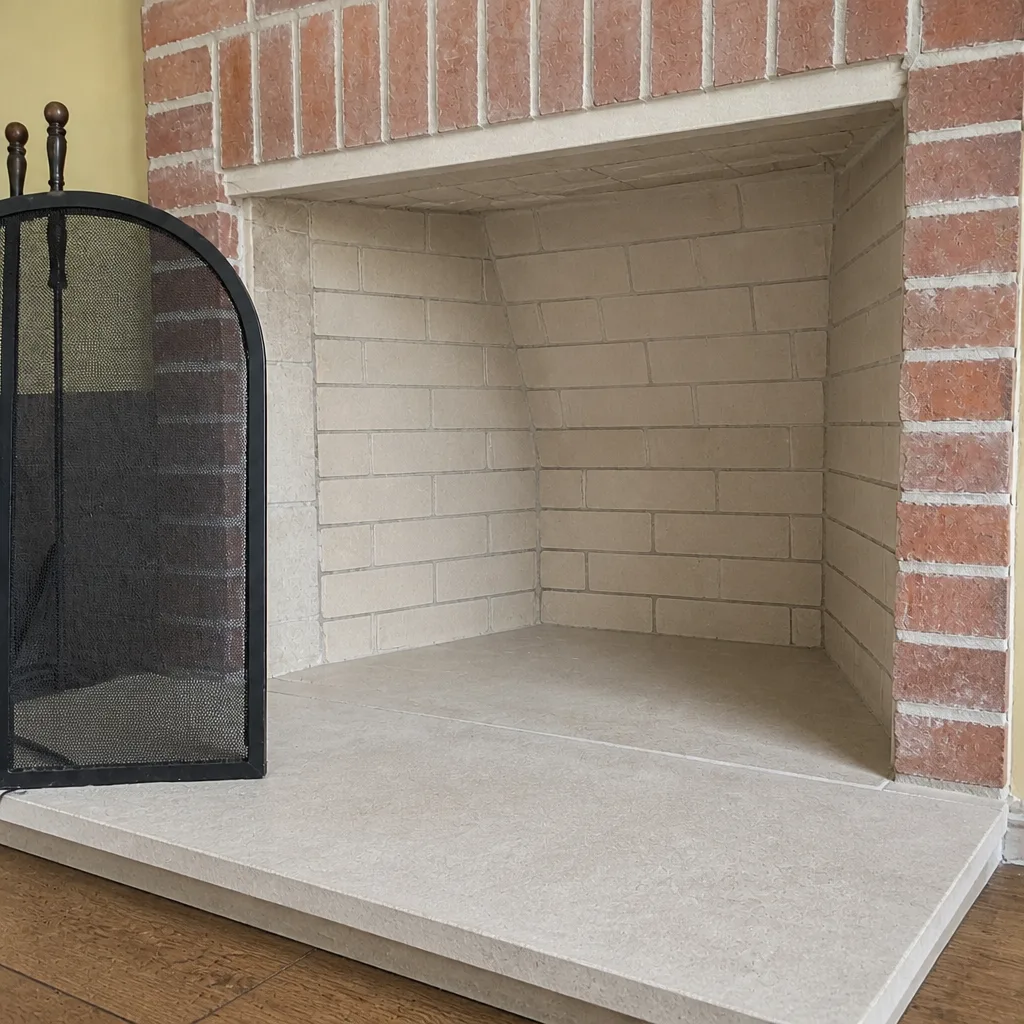 After
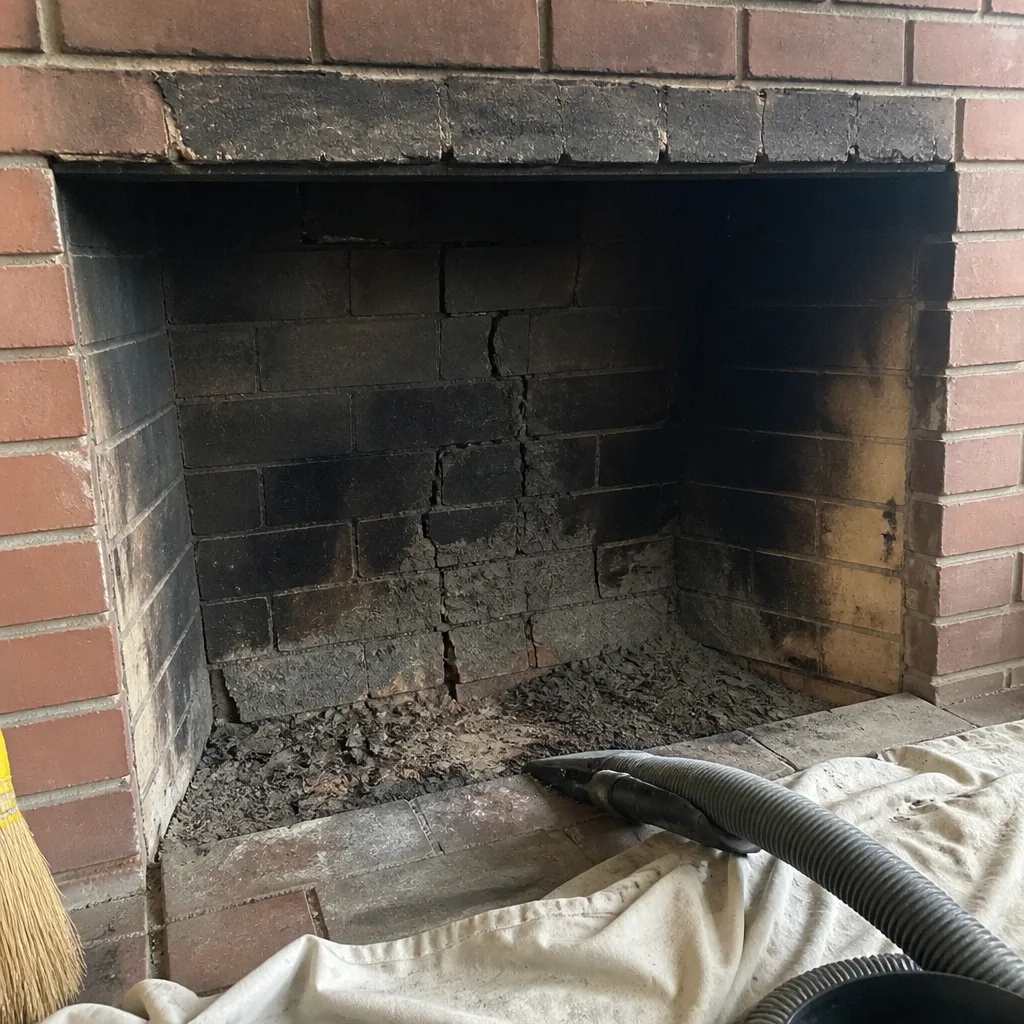 Before
 After
 Before
 After
When to Call a Professional
Some situations require professional service and don’t wait. Call us when any of the following applies: your flue has gone two seasons without cleaning, creosote is visible in the firebox or flue and looks shiny or tar-like, you smell smoke inside the house when the fireplace is burning, you’ve had a chimney fire, you’re buying or selling the home, your liner is original clay tile more than a couple of decades old, or you’re ready to schedule the pre-season inspection. Our technicians have up to 8 years of experience and we can handle the sweep, the inspection, and any repair under one provider, so you’re not chasing a second contractor when the report finds something. Chimney Sweep Chico offers free estimates in Chico. Call (844) 320-4731 to book. We answer 24/7. Fast dispatch from 7am to 7pm, Sunday through Friday. A call outside dispatch hours is booked into the next opening, Sunday through Friday, 7am to 7pm.
Frequently Asked Questions
A chimney sweep in Chico is priced per job by written estimate, and the estimate is free. Bundled sweeping, inspection, and a written report are the standard package homeowners choose, because the report is what makes the visit defensible for insurance purposes. Pricing depends on accessibility, whether the flue is on one or two stories, and whether any repair is needed. Call (844) 320-4731 for an exact quote; estimates are free.
Yes, because cleaning and inspection answer different questions. Cleaning removes creosote. Inspection determines whether the flue is safe and gives you a dated written record. Without that record, a friendly “you’re fine” from a neighbor or a handyman doesn’t carry any weight in an insurance context. Call (844) 320-4731 to schedule the inspection; estimates are free.
The standard benchmark is once per cord of wood burned, or once a year of active use. A wood stove used as a heat source through the Chico burning season often needs the sweep at that annual mark. A fireplace used occasionally may need it less frequently, but the inspection should still happen every year. Call (844) 320-4731 to book the sweep and the inspection together.
Creosote keeps building. At Stage 2 and Stage 3 it becomes harder to remove and considerably more dangerous, since glazed creosote is what fuels a chimney fire. Skipping the inspection also means missing the moment when a hairline flue crack or failing liner is still a repair rather than a replacement. The maintenance work rarely gets cheaper with delay. Call (844) 320-4731 before the next burning season and let us document the condition; estimates are free.
Not safely, and not with a result that matches professional removal. Stage 2 and Stage 3 creosote require specific mechanical tooling or chemical treatment applied with proper containment and ventilation. Misapplied brushes and chemicals can damage flue tiles. This is the point where a chimney sweep should be handling the work. Call (844) 320-4731 for an exact quote on clearing heavy creosote; estimates are free.
Yes, in exactly the way a verbal report can’t. The written, dated report is evidence that reasonable care was exercised on a documented timeline, which matters in a fire claim review. Every chimney system we inspect receives a written report you can keep for your records. Call (844) 320-4731 to schedule an inspection; estimates are free.
The Bottom Line
DIY has a real place in chimney maintenance: ash removal, visual firebox checks, and damper operation are worth doing and cost nothing. The line between DIY and professional work runs through the flue and stops at creosote beyond Stage 1, any sign of damage, any insurance-relevant documentation, and every repair that matters. Tools are not the dividing line. A brush and a shop vac will move soot, but no DIY clean produces a camera scan, a written report, or a dated record that holds up in an insurance context. That’s the part professional service is really for. If you’re in Chico and want a documented answer before the burning season starts, call (844) 320-4731. We answer 24/7. Fast dispatch from 7am to 7pm, Sunday through Friday.
Written by the team at Chimney Sweep Chico.