
Last updated November 16, 2026
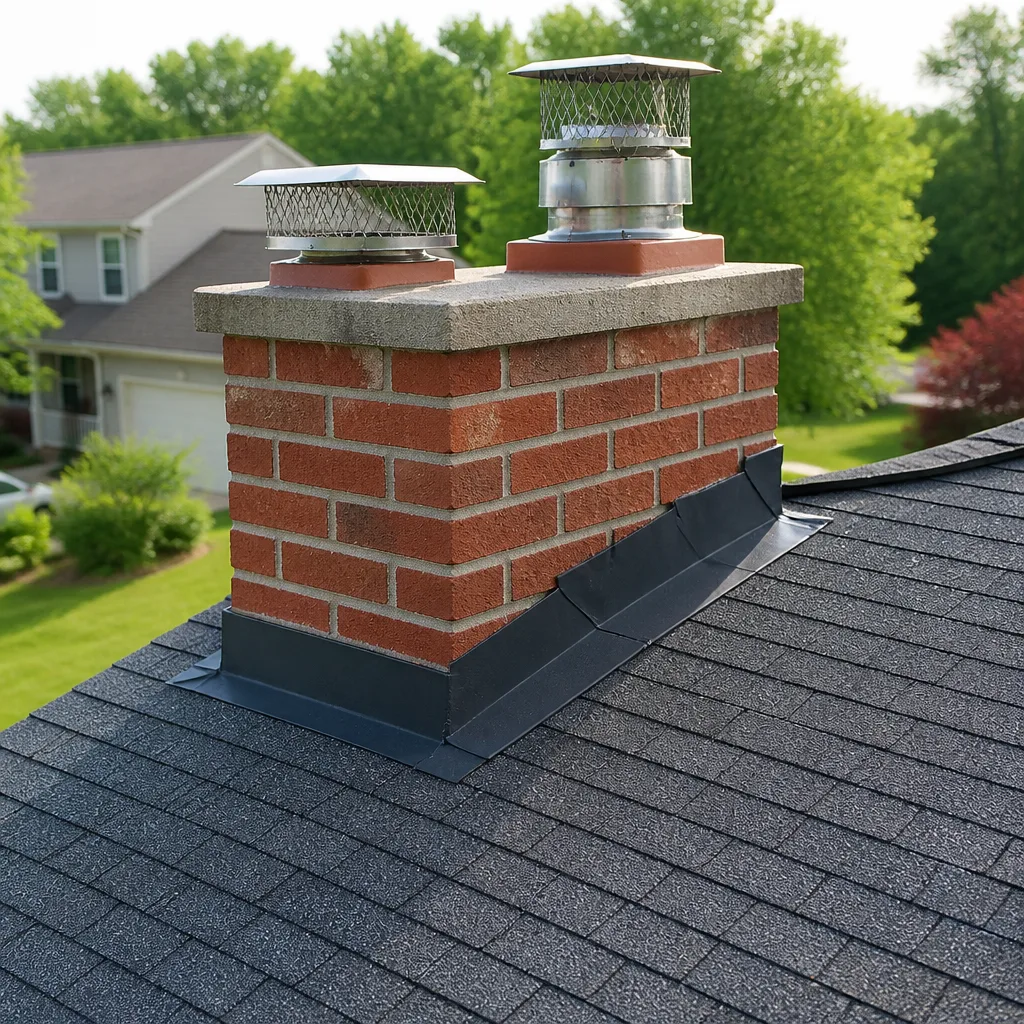 Sweep & inspection
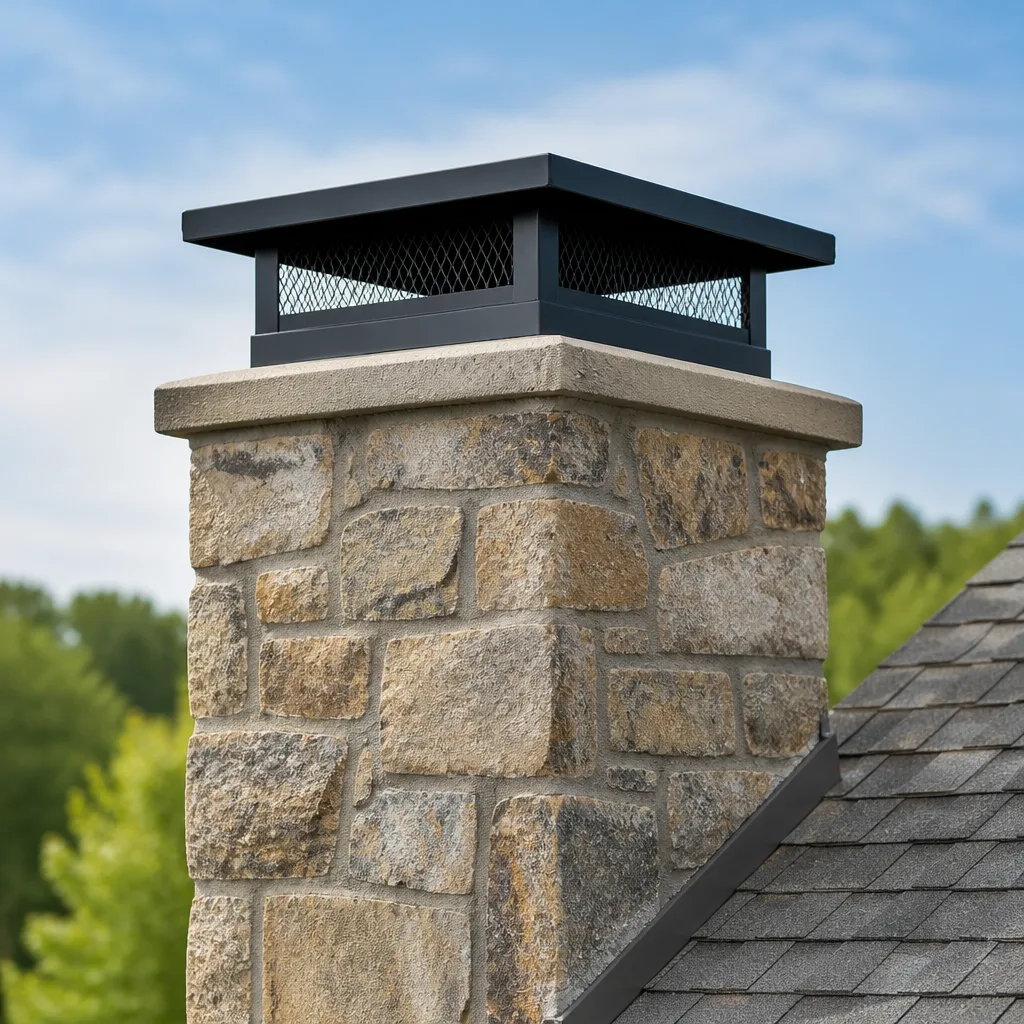 Caps & crowns
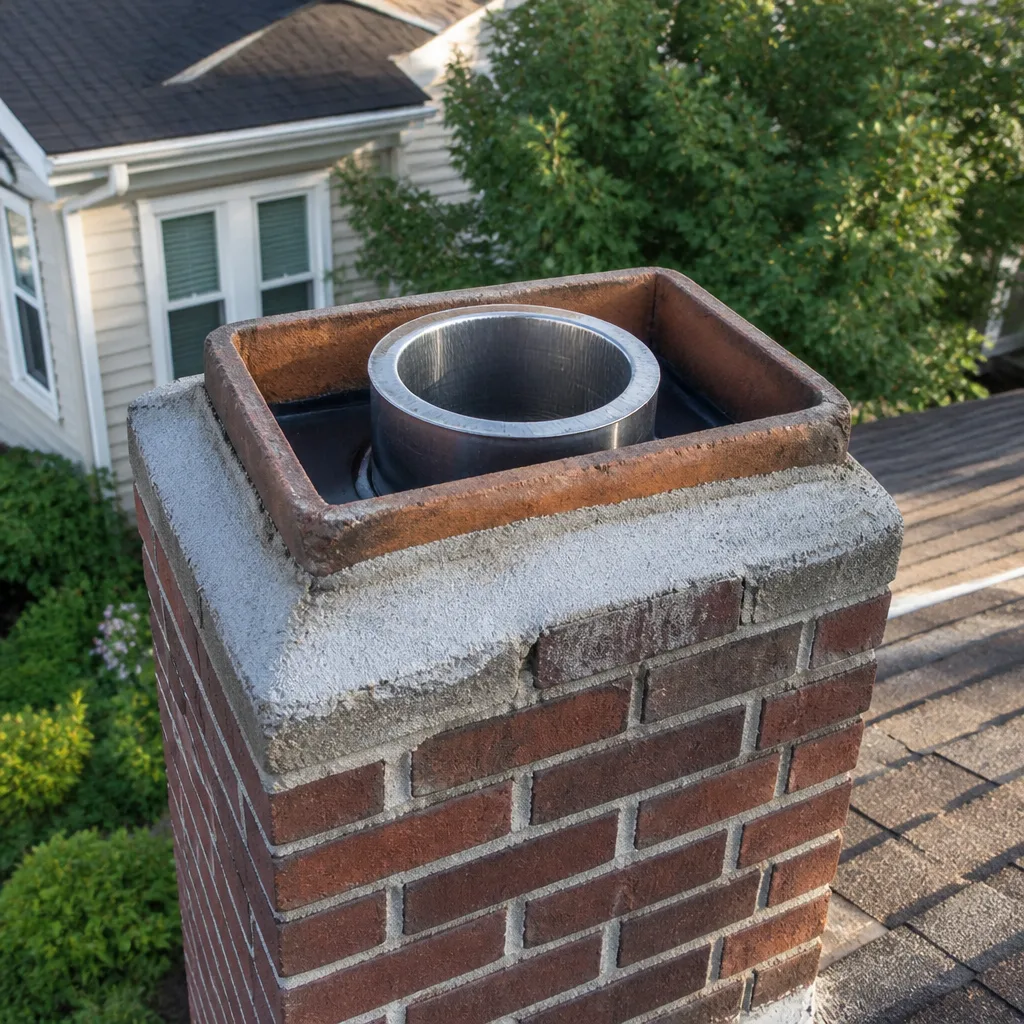 Flue relining
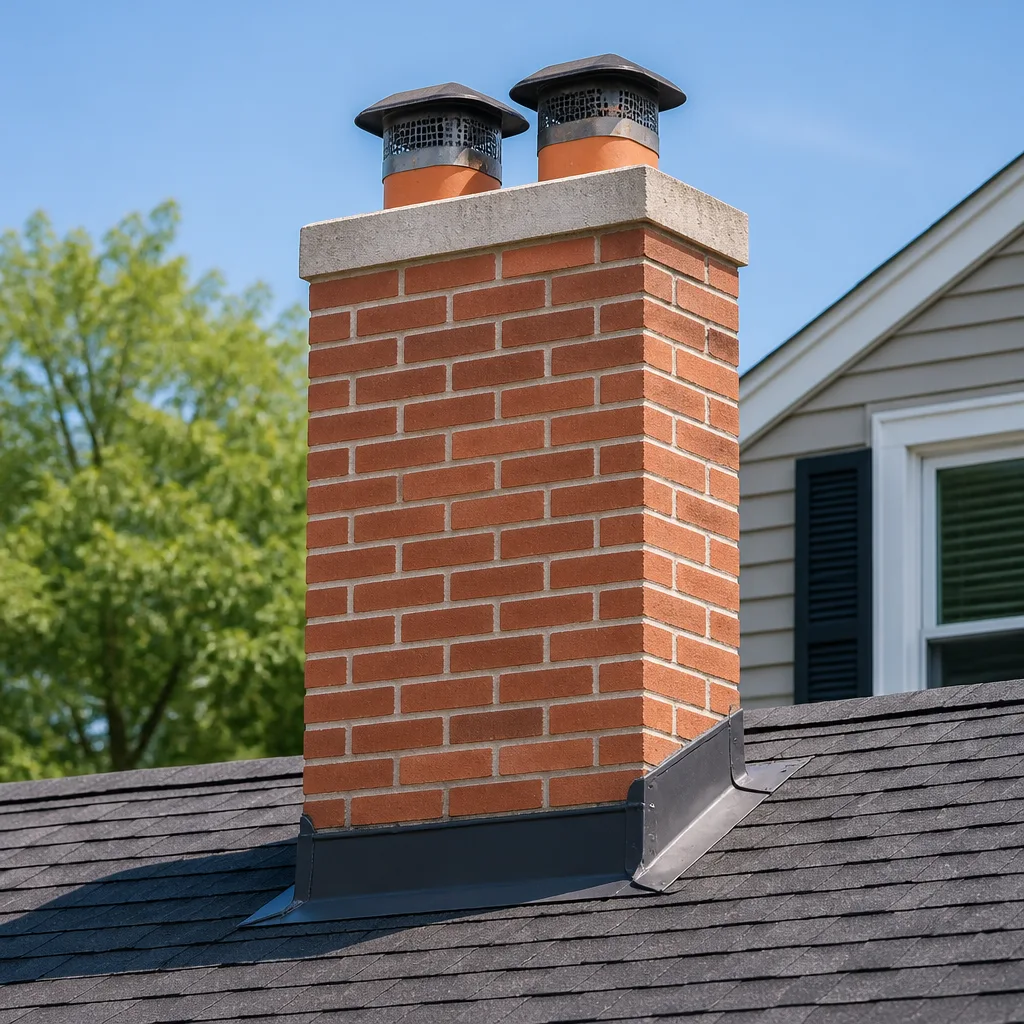 Masonry repair
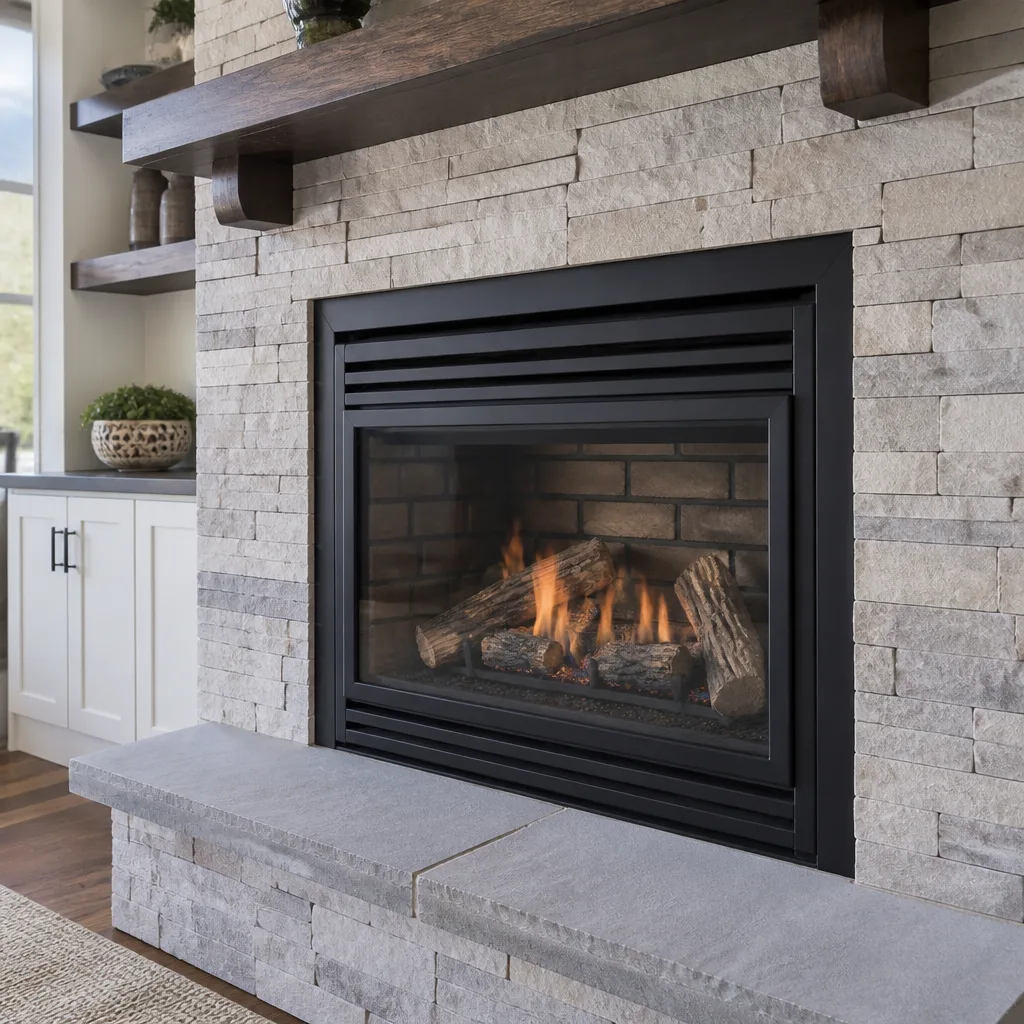 Gas fireplace service
Level 1 sweep and inspection to the NFPA 211 annual standard - flue, crown, cap, and flashing checked and photographed
Chimney sweep logs do not sweep chimneys. They loosen some creosote - which then falls where a brush and vacuum still have to collect it.
Chimney Sweep Troubleshooting in Chico: Common Problems and How to Fix Them
Here’s the counterintuitive part: the most common reason a Chico chimney sends smoke into the living room isn’t creosote buildup at all. It’s negative air pressure, and it’s usually something you did on purpose to make the house more efficient. Weatherstripping, new windows, sealed attic hatches, and tightly built additions all make a home hold its air better. They also starve the fireplace of the combustion air it needs, and a chimney with nowhere to pull from will pull smoke back down into the room. No amount of sweeping fixes that.
This guide teaches you to read your chimney’s symptoms the way a technician does. You’ll learn the five root causes behind most complaints, how to tell one from another before anyone picks up a phone, and which fixes are a cleaning and which are a system-level change. Some of what we describe is specific to the way homes here burn oak and cope with valley heat.
Quick Answer
Most chimney problems in Chico trace back to one of five causes: negative pressure, a blockage, glaze-creosote buildup, water intrusion, or a failing flue liner. You can narrow yours down with a few basic observations – match test, smell, draft strength, visible damage, noise – before you call anyone. A cleaning handles blockages and moderate creosote; backdraft, liner damage, and moisture problems need a proper inspection and often a system-level repair.
Styles & brands we work with
- Sweep & inspection
- Caps & crowns
- Flue relining
- Masonry repair
- Gas fireplace service
Table of Contents
- The Five Root Causes of Almost Every Chimney Problem
- Symptom-to-Cause Diagnostic Matrix
- How to Tell a Draft Problem from a Blockage with One Match
- Why Your Chimney Smells in Summer (And How Urgent It Really Is)
- DIY Fixes That Make Things Worse
- Chico Conditions That Skew Every Symptom
- Cleaning vs. System-Level Repair: How to Tell Which You Need
- Common Mistakes to Avoid
The Five Root Causes of Almost Every Chimney Problem
When a homeowner calls about smoke, smell, a weak fire, or a crumbling firebox, we can almost always trace it to one of five things. Knowing the category matters because each one has its own repair path, and mixing them up is how people spend money on the wrong fix.
1. Negative pressure. The house is too tight and the chimney is competing with exhaust fans, a furnace, or a dryer for air. Smoke curls back into the room, the fire struggles, and everything works fine on windy days but not calm ones. This is the backdraft complaint, and it’s more common in Chico’s newer sealed homes and in any house that’s been weatherized.
2. Blockage. A nest, a collapsed tile fragment, or heavy soot has narrowed or closed the flue. The fire smokes, the draw feels dead, and you may smell burning when nothing is burning. This is a cleaning job.
3. Glaze creosote. Tarry, glassy buildup from burning unseasoned wood or running cool fires. It reduces draft and raises fire risk. Glaze doesn’t brush off; it needs the right tools and often chemical treatment.
4. Water intrusion. A missing or cracked cap, failed flashing, or a damaged crown lets rain into the flue. Damp creosote smells, masonry spalls, and the firebox stays wet long after a storm. This is repair, not cleaning.
5. A failing flue liner. Cracked or spalled clay tiles, or gaps at the joints, let heat and gases into the masonry. This is the one that needs a system-level fix, and it’s why we take photos.
Once you figure out which category you’re in, the plan gets a lot clearer. If you’d rather skip the detective work, a chimney sweep with a camera will get you there fast.
Symptom-to-Cause Diagnostic Matrix
Here’s how a technician reads symptoms. Use this as your starting point, then confirm with the match test below. The “likely cause” column is a probability match, not a diagnosis.
- Smoke rolls into the room on startup, then clears: most often negative pressure or a cold flue; occasionally a partial blockage. Common in tight, well-sealed homes.
- Smoke comes back down steadily while burning: negative pressure or a significant blockage near the top of the flue. Check outside for a stronger exhaust fan running.
- Fire burns poorly, wood smolders, glass stays black: weak draft from a cold exterior chimney, blockage, or an oversized flue for the appliance (short, lazy fires).
- Pungent smoky smell in summer, no fire lit: moisture mixing with creosote residue. Almost never an active fire risk.
- Chemical or burnt smell when you turn on the furnace: dust burning off heat exchanger surfaces, or backdraft from a furnace flue sharing pressure problems with the fireplace.
- Visible crumbling in the firebox or missing mortar joints: structural deterioration, usually from moisture or long-term overheating.
- Rusty damper or a stained ceiling near the chimney: water intrusion through the cap, crown, or flashing.
- Animal or scratching sounds in spring: a bird, squirrel, or raccoon nest in the flue. Common after a mild Chico winter. Cap it.
- Whistling or roaring draft noise: usually a flue that’s oversized for the appliance or a loose damper; occasionally a gap at the top of the stack.
Two symptoms at once narrows it fast. Smoke plus a summer smell points to a system with both a draft issue and a moisture issue, which is exactly the kind of thing an inspection untangles in one visit.
How to Tell a Draft Problem from a Blockage with One Match
You can separate a draft problem from a blockage using one tool and thirty seconds. Here’s the method a technician uses, condensed.
- Cool the house first. Turn off the furnace, the bath fans, the kitchen hood, and the dryer. Open a nearby window an inch or two. Wait two minutes.
- Light a match and hold it just inside the firebox opening at the top of the firebox, not inside the firebox itself. Keep your hand and face clear of the firebox opening.
- Watch the flame. It should lean steadily toward the flue and get pulled upward.
- Read the result. A flame that leans in steadily and gets pulled up means the draft is working and a persistent smoke problem is likely negative pressure, not a blockage. A flame that stands straight, flickers erratically, or blows back toward the room means the flue can’t draw; that points to a blockage or a seriously compromised flue.
- Repeat with the window closed to see how much the pressure changes. If the flame reverses when the house is sealed, you’ve confirmed negative pressure.
If the flame reverses with the window closed but pulls fine with it open, you’ve got a house-air problem. The fix usually involves a dedicated outside air supply, a top-sealing damper, or a properly sized flue, not a cleaning.
A note on safety: don’t stick your head into the firebox, don’t use a match after a fire has burned that day, and don’t test anything while your furnace or a gas appliance is running. If you have any doubt, a professional can read this in a minute.
Why Your Chimney Smells in Summer (And How Urgent It Really Is)
If your chimney has a smoky, sour smell in the middle of July with no fire in it, you’re not imagining things, and you also probably aren’t in danger. The smell is moisture and creosote residue. Creosote is a byproduct of wood smoke, and when it’s still slightly damp from a rainy season, warm weather, and humidity, it volatilizes and pushes that smell back down the flue. It smells worse on muggy days and after a warm rain, which is why a Chico summer can make it noticeable.
Here’s the distinction that actually matters for repair urgency:
- Light, dusty creosote that smells: dampness plus a bit of residue. A cleaning and a properly fitted cap usually ends the smell. Not urgent, but worth handling before the next burning season so it doesn’t build.
- Glossy, tarry glaze that smells: the same moisture issue but with heavy creosote behind it. The glaze is a fire risk regardless of the smell, so the cleaning should happen sooner rather than later.
- Smell plus a wet interior or crumbling masonry: water intrusion through the cap, crown, or flashing. This is a repair, and it gets worse the longer it goes.
The important part: a summer smell by itself rarely means a fire is imminent. It usually means the residue and the moisture need a cleaning and a fitted cap. A proper inspection confirms which one you’re dealing with, and we document what we find so you can see it yourself. That’s the whole point of a camera report.
DIY Fixes That Make Things Worse
We’ve seen every one of these do exactly the opposite of what a homeowner hoped. A few specific examples:
- Wire-brushing the flue yourself. A homeowner-sized brush on a hand pole rarely reaches the top of a two-story flue, and it can knock loose spalled clay tiles without removing them. Loose debris blocks the flue you were trying to clean.
- Store-bought sealants on a cracked crown or firebox. Most caulk-style products shrink and crack within a season, and they trap moisture against masonry that needs to dry. Manufacturer-spec repair products behave completely differently, which is why we use systems like HeatShield for resurfacing rather than hardware-store patch.
- Spray-on creosote treatment without a full cleaning. Chemical creosote treatments work, but only after the flue has been properly swept. Applied to a dirty flue, they lock a layer of glaze in place and make the next cleaning much harder.
- Stuffing a cap or screen over the top yourself. A poor-fitting cap concentrates moisture, creates a draft problem, and can be a real hazard to install at height. A fitted cap using a system like Famco or Copperfield actually excludes animals and weather instead of trapping them.
- Burning hotter fires to “burn off” creosote. Heavy glaze can ignite from a hot fire, which is exactly the chimney fire you’re trying to avoid. If you can see glossy buildup, that’s a cleaning, not a burn-off.
- Taping cracks in the firebox. Firebox cracks need proper refractory repair. Tape and caulk aren’t meant to hold up to combustion temperatures, and a masked crack can let fire and gases into the masonry.
A little honest advice: the cheap fix that masks a symptom is often the reason the eventual repair costs more. Getting a documented inspection early usually saves the money you were trying to protect.
Chico Conditions That Skew Every Symptom
Chimneys don’t misbehave in a vacuum. Local conditions change which cause is most likely, and three of them matter here.
Valley heat and stagnant summer air. A hot, still Chico afternoon is beautiful and terrible for chimney smell. Where a coastal chimney vents well in summer, a valley chimney holds its humidity and its volatile creosote smell. That’s why the summer smell complaint comes up so often in Chico and less often elsewhere. The fix is a cleaning, a moisture-tight cap, and a top-sealing damper that keeps hot air from venting up the flue when the fire isn’t in use.
Oak firewood prevalence. Oak is the wood most homes here burn, and oak is dense. It takes longer to dry properly than softer species. Burning oak that hasn’t fully seasoned is the single biggest driver of glaze creosote we see. Homeowners usually don’t know their wood is damp until a technician shows them the glaze.
Tightly built homes in newer neighborhoods. Homes in newer Chico developments that were built for efficiency hold air tightly, which is exactly the condition that causes negative pressure and backdraft. Older, draftier homes rarely see this problem, which can confuse homeowners moving from an older house into a newer one.
The throughline: if you live in Chico and your symptoms appear, the combination of valley heat, oak firewood, and house-tightness is worth factoring in before anyone makes a recommendation.
Cleaning vs. System-Level Repair: How to Tell Which You Need
This is the question every homeowner actually wants answered, because the cost gap is real. Here’s the split, in plain terms.
A cleaning is likely sufficient when:
- The symptom is smoke, reluctance to draw, or a smoky smell in summer.
- The match test shows the flame pulling steadily, even if weakly.
- Visible buildup is dusty or flaky, not glossy or tarry.
- You haven’t had a chimney fire, and no animals have nested in the flue since the last cleaning.
- Your appliance is properly sized and has a working damper.
A system-level repair is likely needed when:
- The match test shows the flame reversing even with the window open.
- You can see spalled or missing clay tiles at the top of the flue, or gaps at the joints.
- The firebox, damper, or crown shows visible deterioration.
- You’ve had a chimney fire, even a small one, at any point in the home’s history.
- Water is getting in, or the masonry stays damp after storms.
- The current liner is too large, too small, or the wrong material for the appliance.
When a repair is the right move, the product matters. A flexible liner system like DuraFlex handles offset flues and hard-to-reach configurations that rigid liners can’t reach correctly. HeatShield resurfacing can restore damaged flue tile without a full tear-out, which is a middle path most general sweeps can’t offer. And a fitted cap using a Gelco system, or a dedicated cover using a Copperfield product, is how you end animal and weather intrusion instead of improvising with sheet metal.
What a homeowner should never be told is “you need a new liner” with nothing to back it up. Every recommendation we make is tied to what a camera shows, and we document it so you can see it yourself and keep it for your records. A chimney repair estimate should always come with the evidence behind it.
When the Symptom Says More Than a Cleaning Will Fix
We want homeowners to know the specific signals that point past a cleaning. Not to sell repair work, but because these are the situations where deferring work gets genuinely expensive or genuinely unsafe. If you spot any of the following, get an inspection before the next burning season.
- Falling debris in the firebox. Loose pieces of clay tile or masonry dropping down rarely come from creosote. They usually mean a liner or the masonry above it has begun to fail.
- Discoloration or “puffing” at the top of the chimney. This can mean hot gases are getting into the masonry structure rather than up the flue.
- A roaring or popping sound you can’t locate. A chimney fire can be quiet or loud, but if you suspect one, close the damper, get everyone out, and call the fire department before calling anyone else.
- Continuous smoky smell plus staining on interior walls near the chimney. That’s moisture migrating through masonry, and it needs a repair and usually a new cap or crown.
We’ve seen enough homes in Chico to know that homeowners second-guess themselves for too long about these. Trust the visible signal, get a documented inspection, and skip the guesswork. If it’s a cleaning, great, we do that. If it’s repair, we’ve got the manufacturer-spec products to do it right the first time.
Common Mistakes to Avoid
- Sweeping once a decade and calling it done. A wood-burning fireplace used regularly needs attention far more often. Buildup between cleanings is invisible until symptoms show up, and by then it may be a repair instead of a cleaning.
- Burning unseasoned oak because it’s what’s available. Oak is the most commonly burned wood here, and it’s also the slowest to dry. Damp oak is the leading cause of glaze creosote we see in Chico. Buy a year ahead and check the wood for cracks and a hollow knock.
- Ignoring the summer smell. It’s usually not urgent, but it is a signal. Ignore it for years and the moisture and residue turn into masonry damage and a real repair.
- Weatherizing a tight home without thinking about chimney air. New windows and weatherstripping are good efficiency moves, but they can starve the fireplace of combustion air and cause backdraft. Plan for a dedicated air supply if this applies.
- Trusting a verbal “it’s fine” without photos. A verbal pass on a chimney is worth less than a documented inspection with photos you can see and keep. Ask for the camera report.
- Fitting a cap that isn’t designed for the flue. The wrong cap concentrates moisture and creates draft problems. A fitted cap from a known system brand is a small cost that prevents a real repair.
- Burning paper, trash, or green wood to “keep the fire going.” Each of these accelerates creosote buildup and shortens the life of the flue. Stick to dry hardwood and burn hot, bright fires.
See the difference
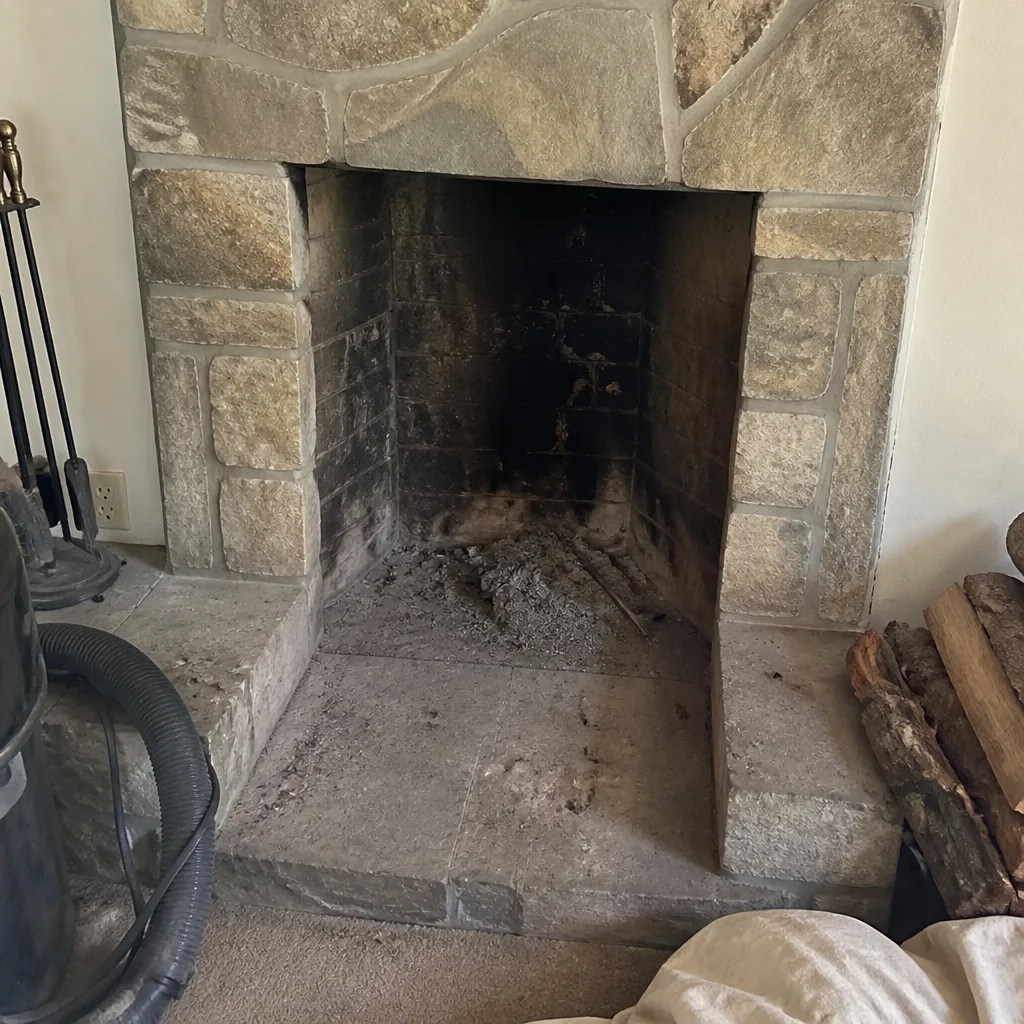
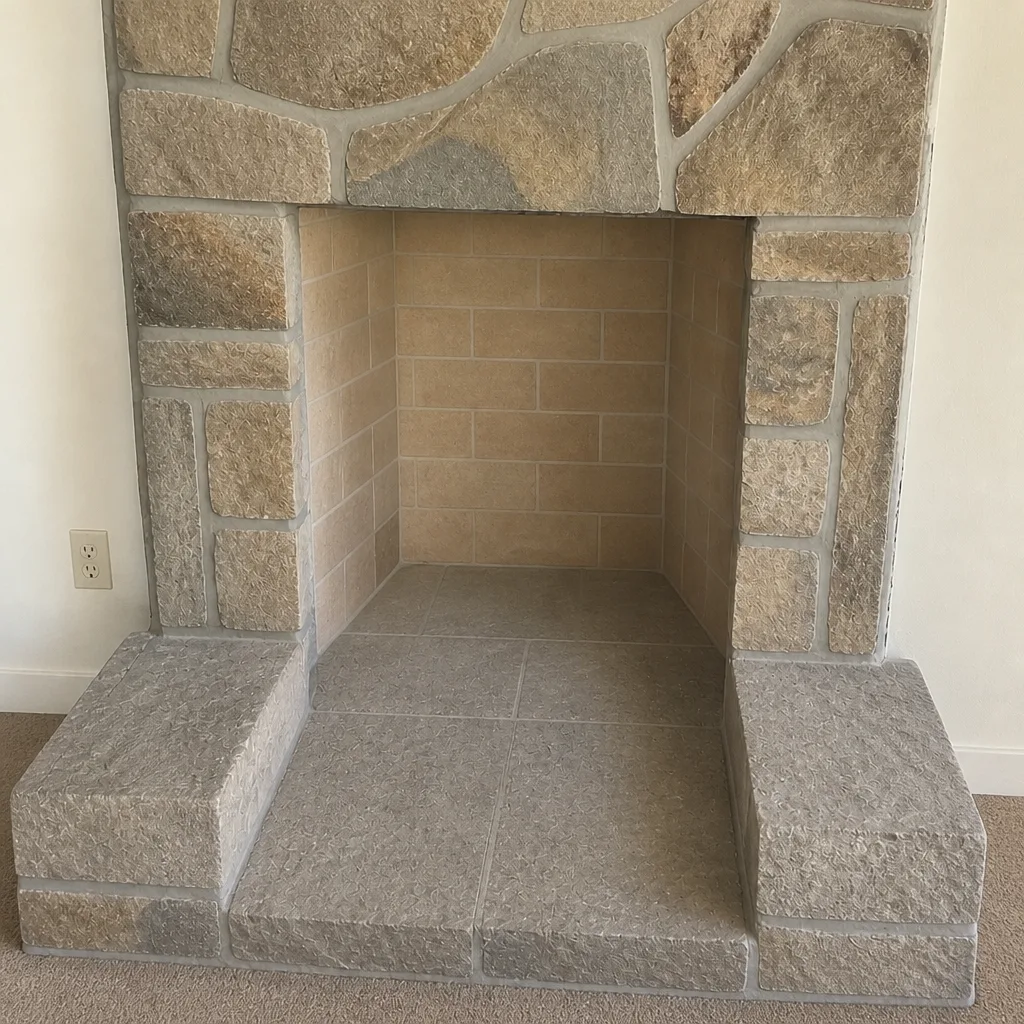
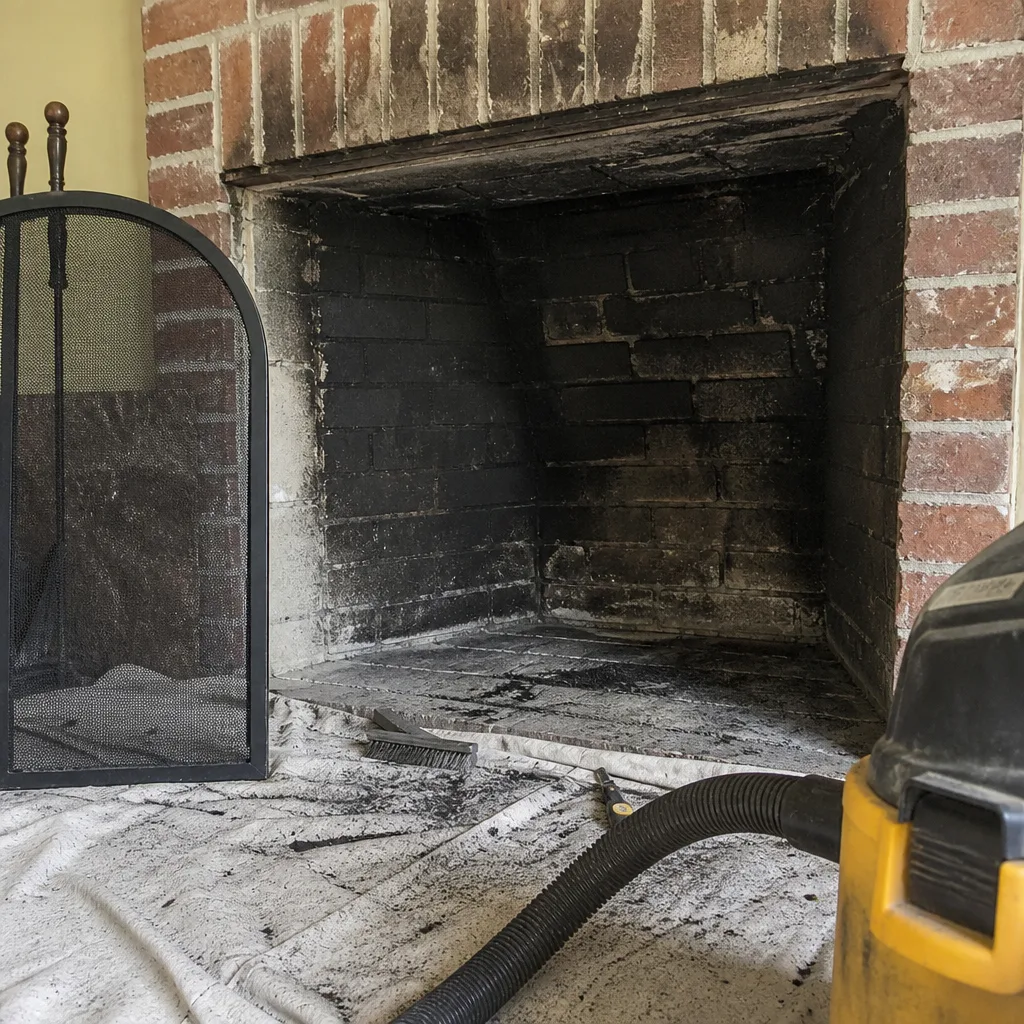 Before
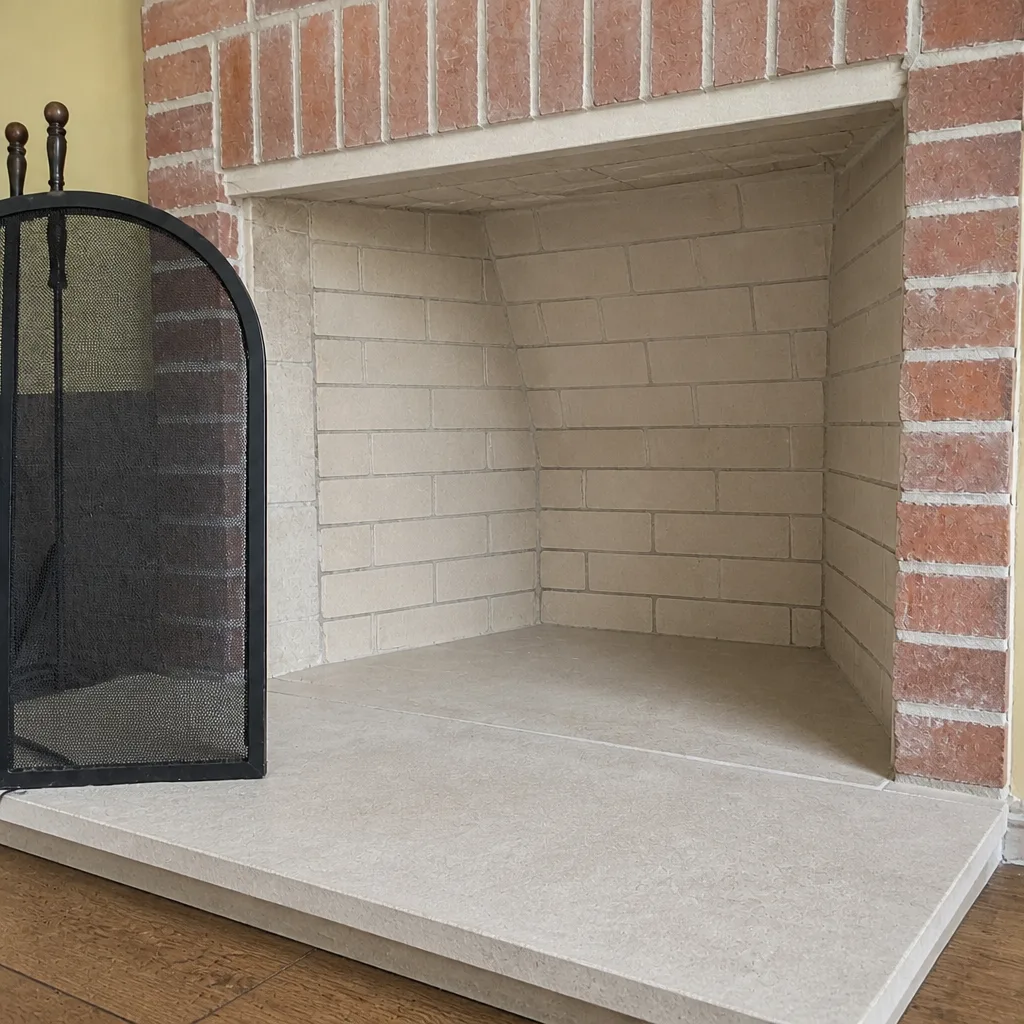 After
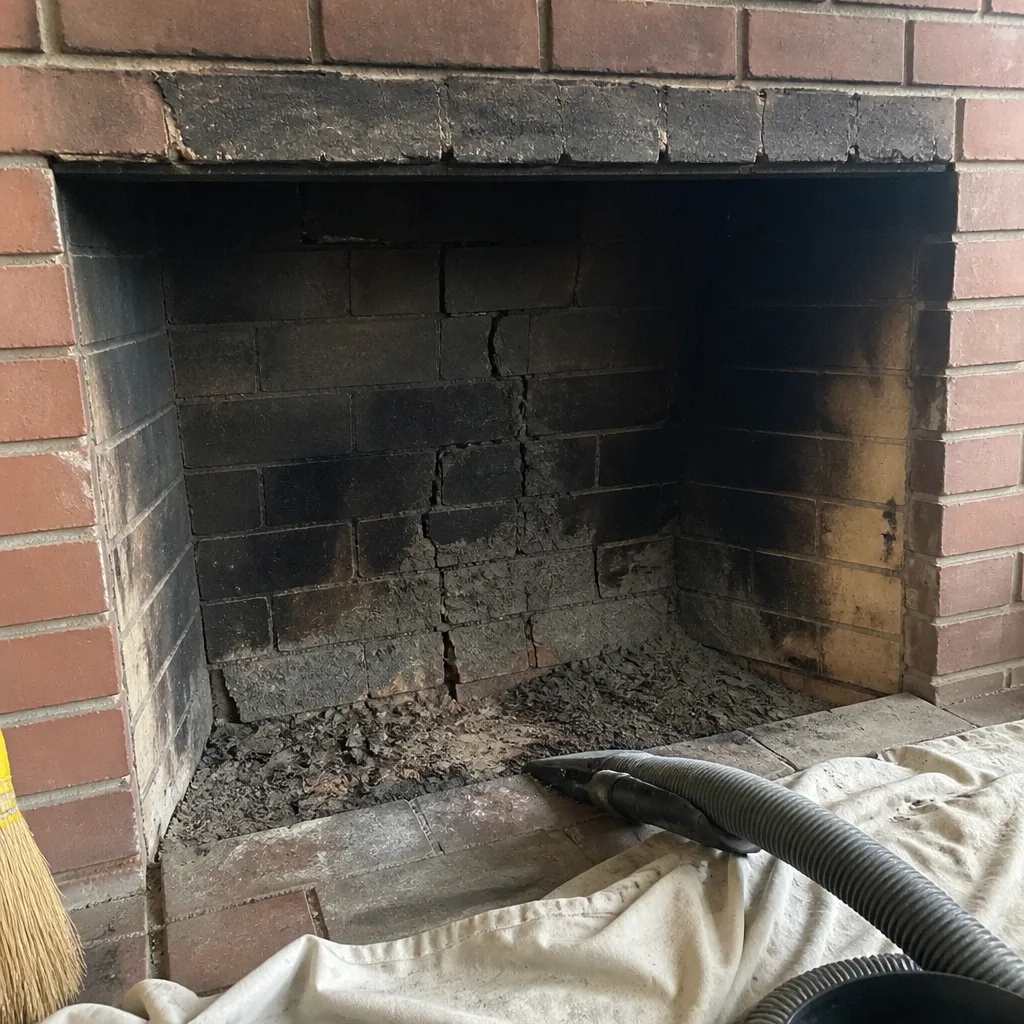 Before
 After
 Before
 After
When to Call a Professional
Call us when the match test shows the flame reversing even with a window open, when you smell smoke in the house while the fire is burning, or when creosote is glossy and tarry rather than dusty. Call us if you see cracked or missing tiles at the top of the flue, spalling in the firebox, or stains near the chimney on interior walls. Call us if an animal has gotten in, if you’ve had any chimney fire, or if it’s been long enough since the last inspection that you honestly can’t remember. None of these are a reason to panic, but each one is a reason to get a proper look before the burning season. We’re Chico-based and we do the sweep, the inspection, and the repair under one roof, so there’s no gap between the report and the fix. Chimney Sweep Chico offers free estimates in Chico – call (844) 320-4731. We answer 24/7. Fast dispatch from 7am to 7pm, Sunday through Friday. Our technicians have up to 8 years of experience, and we document what we find on every visit.
Frequently Asked Questions
A standard sweep is usually priced as a flat fee agreed before we book, and the exact cost depends on the appliance, the flue configuration, and any access challenges. Because we only know the price per job once we’ve looked, we set it in the written estimate, not over the phone. Call (844) 320-4731 for an exact quote – estimates are free.
Not usually, and anyone who says you do without showing you camera evidence is asking you to take their word for it. A liner is needed when clay tiles are spalled, cracked, or gapped, or when the existing flue is the wrong size or material for your appliance. HeatShield resurfacing can restore many damaged flues without a full tear-out, so a liner is often not the first option. Call (844) 320-4731 and we’ll show you what the camera sees before anything is recommended.
A wood-burning fireplace used regularly should be swept more often than the general guideline suggests, and once a year is a reasonable baseline for most homes here. If you burn oak as your primary fuel, or you’ve added weatherization to a tight home, plan on annual. The right interval for your house is worth discussing at inspection. Call (844) 320-4731 to book one.
Most of the time, nothing dramatic – buildup accumulates, draft degrades, the fire burns worse, and the summer smell gets stronger. The risk grows when the buildup is heavy and glossy, because that’s the creosote that can ignite. Skipping is not a guarantee of a chimney fire; it’s a slow accumulation of risk and expense that gets harder to unwind. Call (844) 320-4731 before the burning season and let’s see where you stand.
The most common cause is negative air pressure, not creosote. A sealed home with a running exhaust fan or an operating furnace is competing with the chimney for air, and the smoke follows the pressure back into the room. That’s why opening a window fixes it and sweeping doesn’t. Call (844) 320-4731 if you want it properly diagnosed, including the flue itself.
Because damp creosote residue and humidity combine to give off a smoky smell with no fire burning. It’s rarely a sign of active danger, but it usually means the residue needs a cleaning and the cap and crown need checking for moisture. If there’s staining on interior walls or visible crumbling, that’s a repair. Call (844) 320-4731 for an inspection.
The Bottom Line
Almost every chimney complaint in Chico comes down to five things: negative pressure, a blockage, glaze creosote, water intrusion, or a failing liner. You can separate them yourself with the match test and a few honest observations, and that alone saves you from being talked into the wrong fix. A cleaning handles blockages and moderate buildup. Backdraft, moisture, and liner damage need a camera inspection and often a manufacturer-spec repair – HeatShield resurfacing, a DuraFlex liner, a fitted Famco or Copperfield cap – not an improvised patch. We do all three: sweeping, inspection, and repair, under one roof. That way the person who finds the problem is the person who fixes it.
Call (844) 320-4731 for a free estimate. We answer 24/7. Fast dispatch from 7am to 7pm, Sunday through Friday. We’re a Chimney Sweep Chico provider and we document what we find on every visit, so you’ll always see the evidence behind any recommendation.
Written by the team at Chimney Sweep Chico.