
Last updated November 16, 2026
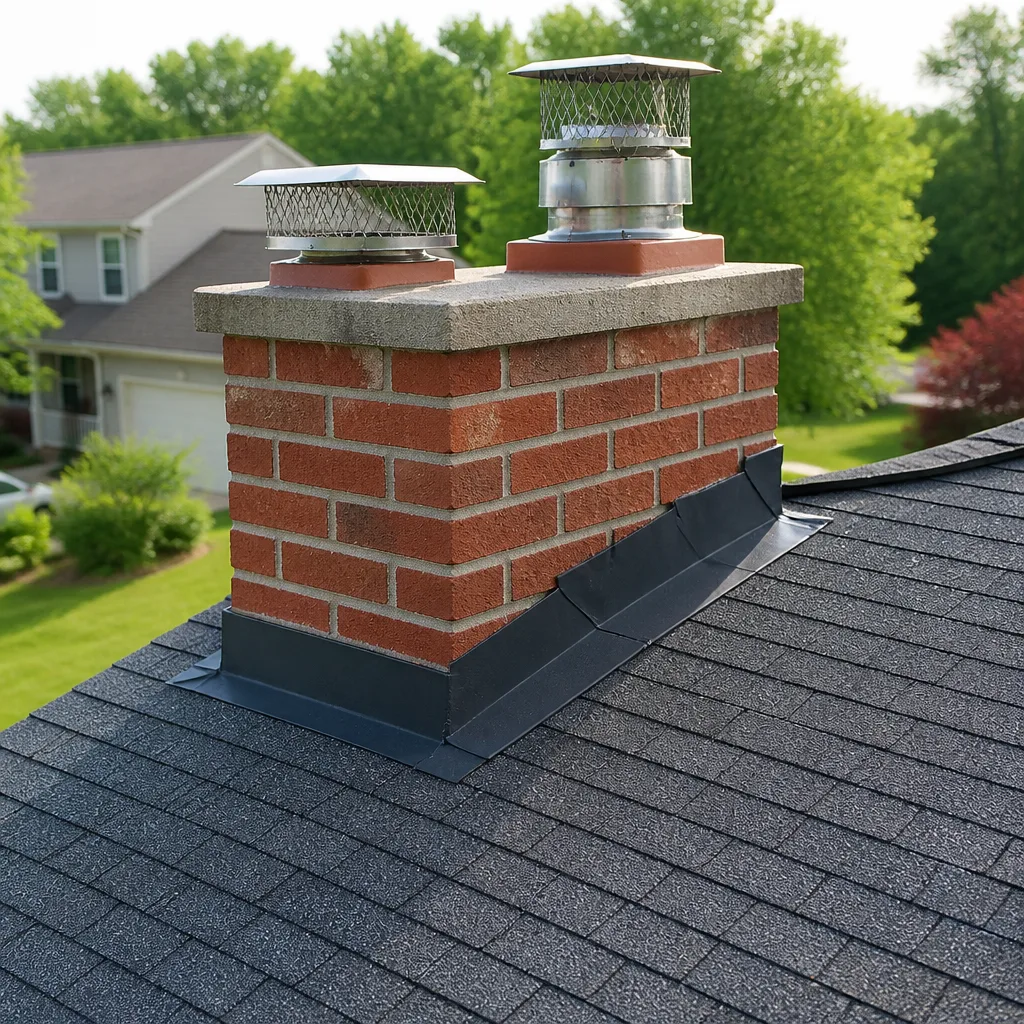 Sweep & inspection
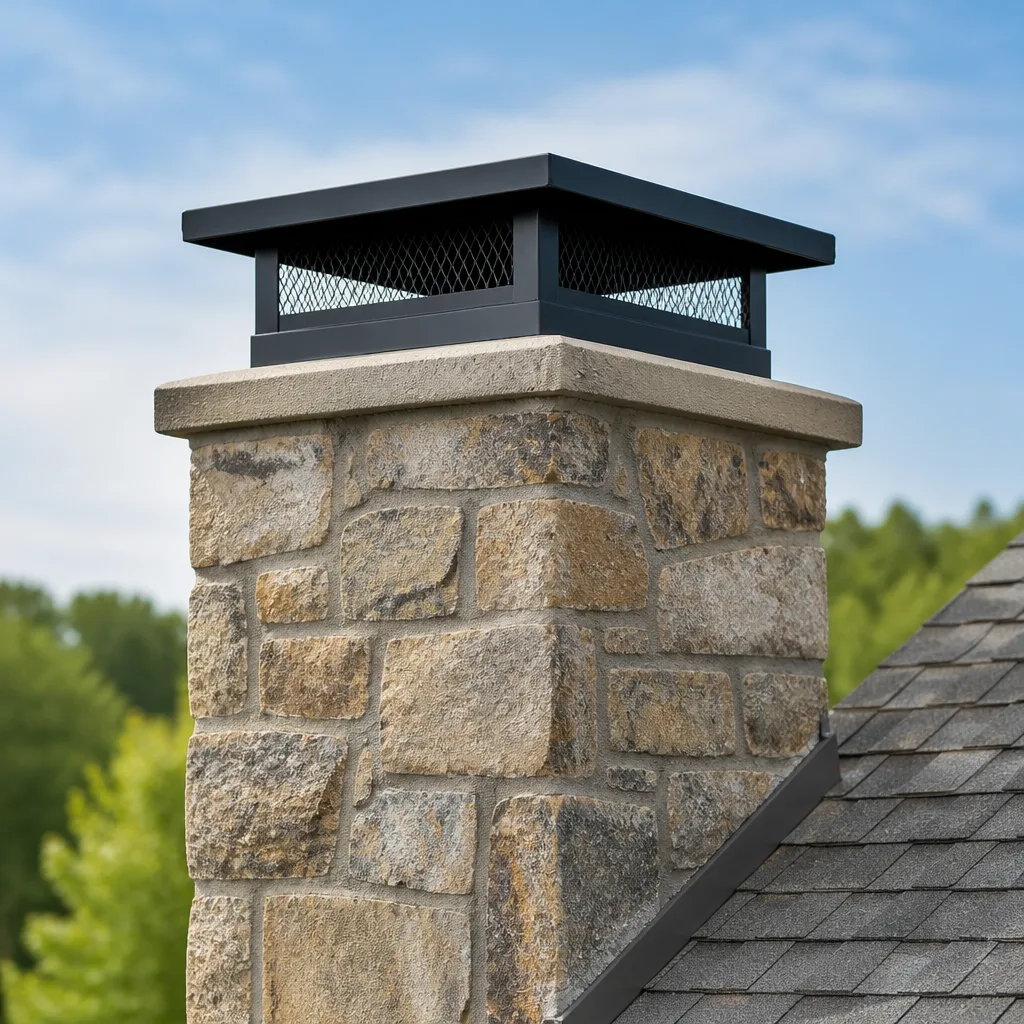 Caps & crowns
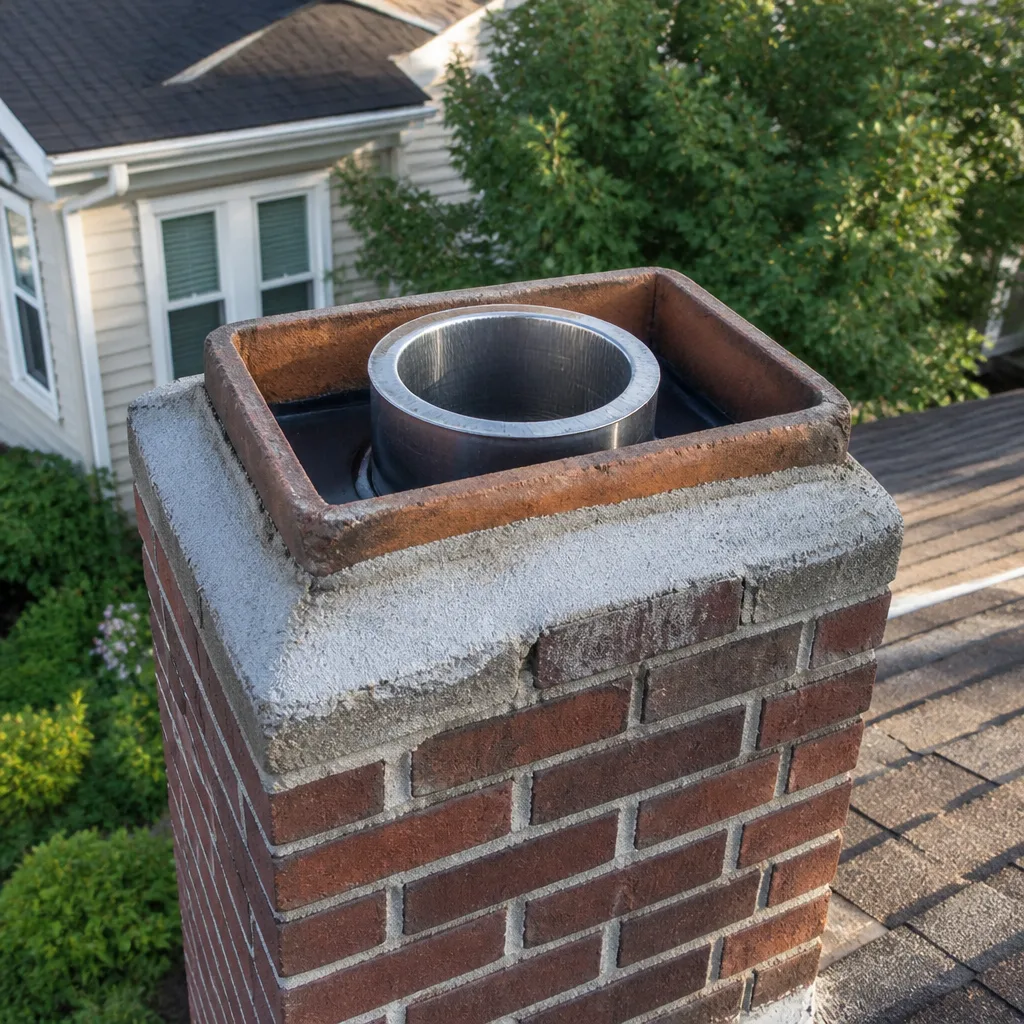 Flue relining
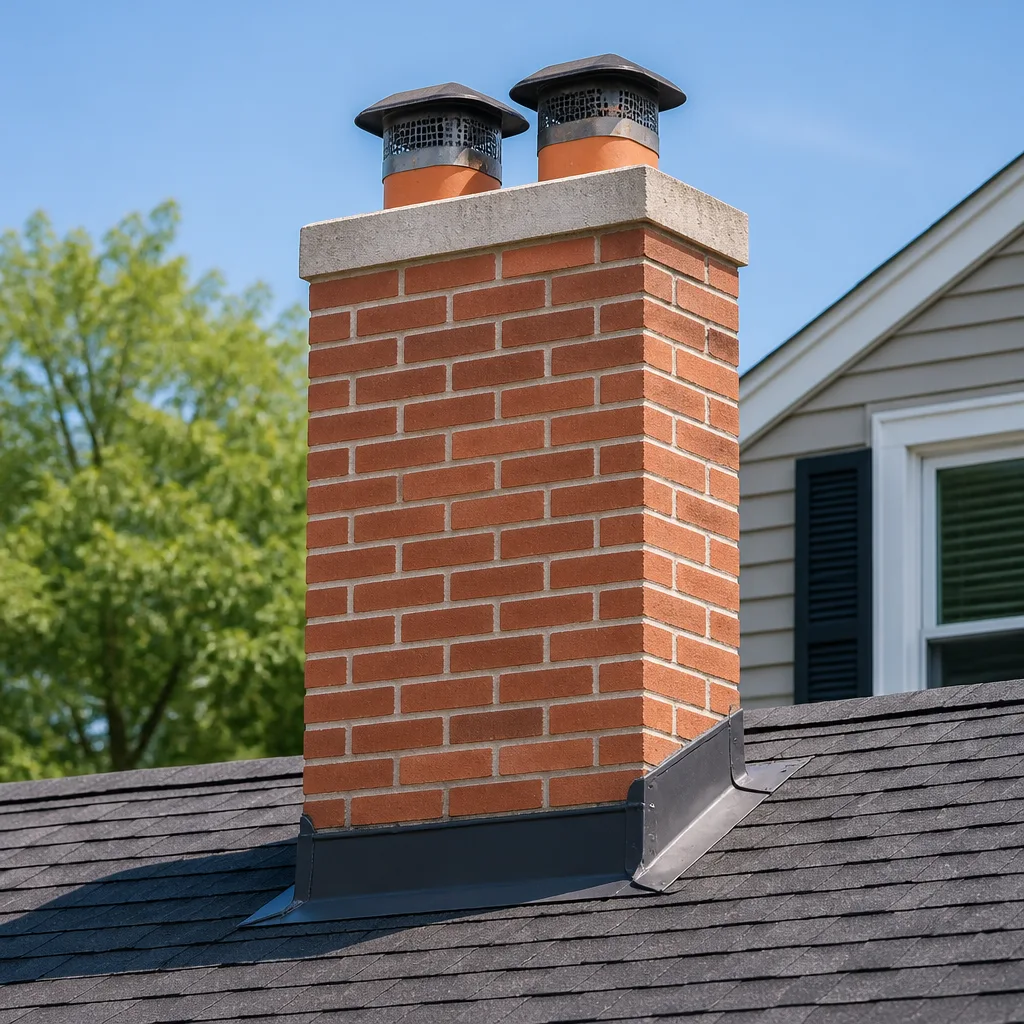 Masonry repair
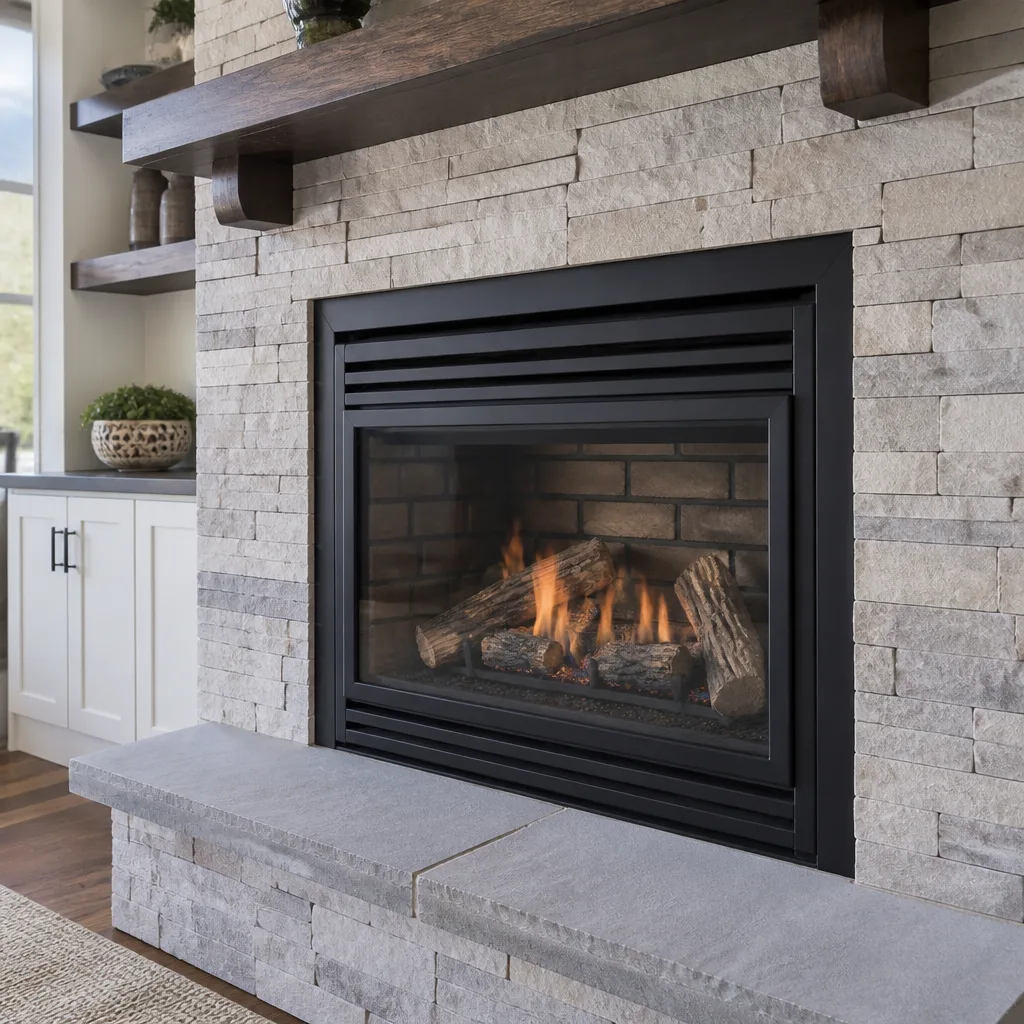 Gas fireplace service
Level 1 sweep and inspection to the NFPA 211 annual standard - flue, crown, cap, and flashing checked and photographed
Chimney sweep logs do not sweep chimneys. They loosen some creosote - which then falls where a brush and vacuum still have to collect it.
Chimney Sweep Maintenance Schedule: What to Do and When
The standard everyone cites, annual sweeping, was written for a household burning roughly one cord a season. If you heat with wood in Chico, you’re probably burning more than that. Valley oak, almond, olive, and the mixed hardwood that gets delivered around here burns hot and long, and a household that treats the fireplace as real heat rather than decoration runs through two, three, sometimes four cords between October and March. That’s a fundamentally different chimney, and it needs a different calendar. This guide replaces the generic “once a year” advice with a schedule indexed to your actual fuel use, your climate, and the way your flue accumulates creosote. You’ll get the thresholds that change the math, a pre-season checklist built for Chico, mid-season inspection timing, DIY tasks versus professional ones, and a documentation system that holds up to an insurance carrier or a buyer’s inspector.
Quick Answer
Sweep your chimney once a year at minimum if you burn up to one cord, every eight to ten months if you burn two cords, and every six to eight months if you burn three or more cords of seasoned wood. Heavy users in Chico should also add a mid-season inspection in January or February to catch glaze creosote before it hardens, and every household should do a pre-season visual check and cap inspection before the November rains. The figure everyone quotes, once per year, is a floor, not a target.
Styles & brands we work with
- Sweep & inspection
- Caps & crowns
- Flue relining
- Masonry repair
- Gas fireplace service
Table of Contents
- How Many Cords You Burn Decides Your Schedule
- The Pre-Season Checklist for a Chico Chimney
- Why Mid-Season Inspections Pay Off for Heavy Users
- What You Can Check Yourself and What You Can’t
- Reading Creosote: Stage 1, 2, and 3
- Documenting Your Maintenance History
- The Three Levels of Chimney Inspection
- A Month-by-Month Calendar
How Many Cords You Burn Decides Your Schedule
The reason one sweep a year feels wrong for so many Chico households is that the standard assumes light use. The National Fire Protection Association’s guidance on sweeping is tied to the accumulation of creosote, a one-eighth-inch buildup being the common trigger, and a fire burning an occasional cord of wood over a long, cold winter accumulates that slowly. Burn three cords in a five-month heating season and the same flue accumulates at a different rate entirely. More fuel means more smoke volume passing over cooler surfaces, and more smoke volume means faster deposition.
Here’s how we map cords to sweep frequency:
| Seasonal Wood Use | Sweep Frequency | Typical Interval | Mid-Season Inspection Needed? |
|---|---|---|---|
| 1 cord or less (occasional fires) | Once per year | 12 months | No |
| 1-2 cords (regular evening fires) | Once per year, checked on schedule | 8-12 months | Helpful for stoves; not required for fireplaces |
| 2-3 cords (primary heat, evenings and cold mornings) | Every 8-10 months | 8-10 months | Yes, in January or February |
| 3+ cords (main heat source all season) | Every 6-8 months | 6-8 months | Yes, plus visual checks after heavy burns |
Two factors push a Chico household toward the more frequent end of this table. First, open fireplaces draft slower and run cooler than a modern stove with a well-sealed door, so the smoke lingers against the flue walls and deposits more quickly. Second, valley oak burns hot but slow, and slow burns produce more unburned gases that condense as they cool. If you’re burning seasoned oak in an open fireplace for five months straight and using it as your primary evening heat, you’re in the 2-3 cord bracket whether you count the cords or not.
We should be clear about one thing: cord count is an estimate, and the condition of the flue is the real determinant. That’s why every sweep here includes a camera inspection and a photo report. A written record of what the flue looks like after two cords of oak is worth more than any table, because it tells you whether your chimney runs clean or accumulates fast. For a routine visit, that starts with a chimney sweep and a look at the actual deposit.
The Pre-Season Checklist for a Chico Chimney
Chico’s summers do the quiet damage, and the pre-season check is about catching it before you light the first fire. Our summers run hot and dry, and a chimney that’s been baking in the sun all June, July, and August has been through dozens of heat cycles. Mortar joints that were sound in spring can show hairline cracking in September. Those cracks don’t cause a problem until the first fire heats the flue and it drafts, and then they matter. Get the checks done in September and October, before the first rains arrive, and you’ll find issues while the repair calendar is still open.
Here’s the order we recommend, working from the ground up and then from the outside in:
- Inspect the firebox and throat. Look for crumbling mortar between firebricks, cracks in the firebox walls, and a damper that opens and closes fully. A firebox that’s lost brick faces needs repair before the first burn.
- Verify the damper seal. With the damper closed, look for daylight around the edges. If you can see light, the seal is weak and you’ll lose heat all winter. A damper that sticks or won’t seat needs to be freed up or replaced before the season.
- Check the cap and screen. Central Valley spiders, wasps, and the occasional bird will build, nest, or fall into a chimney over a warm summer. A cap screen that’s clogged or missing is the single most common cause of a smoky first fire in October.
- Look at the exterior mortar and spark arrestor from the ground. If you can see missing mortar, a loose cap, or a crown that’s cracked from the heat, note it and have it looked at. Don’t climb the roof to check it yourself.
- Confirm your flue is clear. If the last sweep was more than a year ago and you burned heavily, get the sweep done before the season, not after.
- Season your wood. Split oak takes a full year to dry to a low moisture content. If you’re stacking in September for a November fire, you’re burning green wood, and green wood is the creosote problem.
A chimney that passes all six checks in September is ready for a five-month season of valley oak. One that fails three of them is the reason we do chimney repair in October, not December, when a fireplace that won’t draft becomes a household problem.
Why Mid-Season Inspections Pay Off for Heavy Users
If you burn three cords, or you heat primarily with wood, a mid-January inspection is worth the cost. Here’s what we actually do at a mid-season visit, because it’s not a full cleaning and you shouldn’t pay for one. The inspection is a camera look at the flue and a check of the firebox, damper, and cap, and what we’re looking for is glaze.
Glaze creosote is the third-stage deposit, the hardened, shiny, tarry layer that forms when heavy smoke condenses and then reheats against the flue wall. It’s difficult to remove once it hardens completely, and it’s the material most closely tied to chimney fires. A mid-season look catches glaze while it’s still relatively fresh and sweepable. By March, a heavy-use flue can have a glaze layer that takes a lot more work to remove. Catch it in January, and the removal is a standard part of the end-of-season sweep. Miss it, and you’re scheduling a dedicated removal visit.
We’re looking at a few other things on a mid-season visit:
- Deposit depth on the flue walls. If it’s approaching the one-eighth-inch threshold at mid-season, you’re a two-sweeps-a-year household, and we’ll tell you.
- Damper and firebox condition after two months of use. A damper that was fine in October can be warped or seized by January from heat cycling.
- Cap and screen condition. Nesting activity and wind can loosen a screen over the season. A loose screen lets debris in and needs fixing.
- Draft and smoke behavior. If you’ve noticed smoke rolling into the room on cold mornings, that’s a draft issue that’s easier to diagnose in the middle of the season than after.
This is where the Chimney Sweep Chico approach helps. Because we do sweeping, inspection, and repair ourselves, a mid-season visit that turns up glaze or a failing damper doesn’t send you looking for a separate repair contractor with a report you can’t use. We document what we find and we can act on it. That’s the point of a mid-season inspection: not to clean, but to decide whether the rest of your season is safe or whether the cleaning needs to move up.
What You Can Check Yourself and What You Can’t
There’s a real line here, and it’s worth drawing clearly. Some maintenance is genuinely a homeowner job. Some requires professional access, the right tools, and a camera. Getting the line wrong has consequences: a flue that looks clean from the firebox can be heavily coated up top, and one that looks fine from the ground can have a cracked crown.
Homeowner tasks (safe, sensible, and worth doing):
- Ash removal, every few fires. Let ash cool completely, then remove it to a metal container with a lid. A thick ash bed smothers a fire; a thin one lets the firebox overheat. Keep the bed about an inch deep in a fireplace, and follow your stove’s manual for a wood insert.
- Cap visual check from the ground. Every couple of months, look up at the cap and screen with binoculars. You’re checking for a missing cap, a screen that’s pulled loose, or obvious animal activity.
- Damper operation check. Open and close it a few times before the season. It should move freely and seat fully when closed.
- Firewood moisture check. A cheap moisture meter on a freshly split face should read under 20 percent. If it’s over, the wood isn’t ready.
- Cracked or missing mortar on the exterior, from the ground. Note what you see. Don’t go up to fix it.
Professional tasks (do not attempt these yourself):
- Anything on the roof. A chimney crown, a cap replacement, and flue-top work all require roof access, and roof access is where homeowners get hurt. We don’t talk anyone into climbing a roof.
- Any interior flue inspection. A camera inspection down the flue is the only way to see glaze, cracked tile, or gaps in the liner. There’s no visual substitute from the firebox.
- Liner work of any kind. Relining is a job for a professional, and the material specification matters. Our flexible liner installations use DuraFlex systems, which let us fit a liner correctly in offset or hard-to-reach flues that a rigid-liner-only approach can’t handle cleanly.
- Flue tile resurfacing. If the tile is cracked but the flue is otherwise sound, resurfacing can restore it without a full tear-out. That’s HeatShield work, and it’s a specialist repair most general sweeps can’t offer.
- Damper, firebox, or masonry repair. Structural repair means removing and rebuilding masonry, and it’s how you spend the rest of the season with a non-working fireplace if it’s done wrong.
The divide is simple: if reaching it means a ladder or the roof, if seeing it means a camera, or if fixing it means masonry, call a professional. Everything else on the list above you can do yourself, and doing it well extends the life of the chimney and reduces what the annual sweep has to handle.
Reading Creosote: Stage 1, 2, and 3
Creosote is the deposit that makes chimney maintenance a real schedule rather than a suggestion, and it forms in three distinct stages. Knowing which stage you’re at tells you what kind of cleaning you need and how urgent it is. This is a summary of what the sweep is looking at when they put a camera down the flue, not a guide to inspecting it yourself.
Stage 1 creosote is the fluffy, soot-like deposit that forms on the flue walls over a single season of light burning. It brushes off easily, and a standard sweep handles it. It’s what a one-cord household should expect to see at the annual cleaning.
Stage 2 creosote is a denser, crustier layer that forms when heavier smoke volume deposits faster than a light cleaning cycle removes it. It’s harder to remove and often needs a rotary brush rather than a hand brush. A two-cord household that delays the sweep past a year usually lands here.
Stage 3 creosote is glaze, the shiny, hardened, tarry layer. It forms when a heavily used flue with stage 2 deposit gets reheated, driving off the remaining volatiles and leaving a baked-on layer. Glaze creosote is the hardest to remove, and it’s the deposit most associated with chimney fires. A three-cord or four-cord household in Chico that lets the flue go a full year without a sweep is the household most likely to find stage 3.
The maintenance lesson is the same at every stage: the faster you remove deposit, the less chance it has to become the next stage. A sweep every eight to ten months for a heavy user keeps deposit at stage 1 and stage 2, which is a routine cleaning. Going eighteen months on three cords of oak is how a flue reaches stage 3, which is a dedicated removal visit and a longer job. Getting on a schedule isn’t about the number on the calendar. It’s about staying one stage behind the deposit.
Documenting Your Maintenance History
This is the gap in most chimney guidance, and it matters in Chico more than most places. When it’s time to sell a house, or when an insurance carrier asks about the fireplace, or when a buyer’s inspector finds a flue they can’t evaluate, a stack of paperwork is worth more than a good memory. The rule is simple: every sweep, inspection, and repair should leave you with a written record, a date, and photos.
Here’s what a solid maintenance file looks like in practice:
- A dated receipt or invoice for every sweep. You need the date, the address, and the name of the company that did the work. Keep it in the file.
- The inspection report with photos. Every sweep should include a camera inspection and a photo report showing the condition of the flue, the firebox, the damper, and the cap. The photos are the proof; a verbal “it looked fine” isn’t.
- Repair documentation with material specifications. If a liner was installed, the report should name the product and the system used. Our liner work uses DuraFlex systems, and our cap and cover installations use Gelco and Famco fitted systems, so you get a documented material trail rather than a generic repair line item. That’s the detail a careful carrier and a thorough buyer’s agent will want.
- Resurfacing records, where applicable. A HeatShield resurfacing job is a repair, and it should be documented as one, with the date and the scope of the work written down.
- The inspection-level findings. If your annual visit included a Level 1 inspection and the report flagged that the crown needed sealing, keep the report showing the recommendation and the date it was made. This protects you if a later issue is raised.
Photograph the whole file once a year and keep a copy in the cloud. Paper decays in a garage; a photo of the file lasts. And when it comes to a home sale, a maintenance file with a full documented history is a differentiator: it tells a buyer the chimney has been maintained on a schedule and the work was done with specified materials.
Our technicians have up to 8 years of experience documenting exactly this kind of history, and if you sell or refinance, you’ll be glad the file exists. For homeowners in Chico, that file is often the difference between a smooth inspection and a long, expensive conversation.
The Three Levels of Chimney Inspection
Not every inspection is the same job, and a schedule built around your usage needs to distinguish them. Most households get a Level 1 inspection with every annual sweep. A Level 2 inspection is added when a sale, a fuel change, or a significant event makes a closer look necessary. A Level 3 is the full-access inspection done when the findings warrant it. The level you need depends on your schedule and your circumstances, not on fear.
- Level 1 inspection. A visual check of the readily accessible portions of the fireplace and flue, done with the annual sweep or as a standalone. It answers whether the appliance is safe to use as-is, and it’s the standard pre-season inspection for a chimney in regular use.
- Level 2 inspection. A more thorough inspection that includes the accessible portions plus a camera look at the flue interior, and it’s typically warranted when the home is changing hands, when a fuel type or appliance changes, or after a chimney fire or a major event. The camera is the point: it’s how the glaze and tile damage actually get seen.
- Level 3 inspection. Full-access inspection, which may require removing parts of the chimney or building to reach concealed areas. It’s done when a Level 1 or Level 2 inspection uncovers a concern that needs to be seen directly.
In practice, a heavy-use household in Chico is often well served by a Level 2 inspection every few years, even when the annual schedule is being kept. The camera findings are the documentation that proves the flue is in good condition, and that’s exactly the kind of record that makes a mid-season decision easier and a future sale cleaner. Our inspection visits include the photo report, so a Level 1 or Level 2 is always a documented inspection, not a verbal opinion. That’s what lets the three services fit together: sweep, inspection, and repair from one provider, with the same findings carrying through from visit to visit.
A Month-by-Month Calendar
The generic one-sweep-a-year advice works because it’s simple. A usage-indexed schedule works better because it’s timed to the Chico season. Here’s how a year looks for a household burning two or more cords. Adjust the intervals to your own cord count using the table above.
- September. Do the pre-season checklist. Inspect the firebox, damper, and cap. Season your wood. If the last sweep was over a year ago, book the sweep now, before the season, not during it.
- October. Complete the pre-season sweep and inspection. Check the crown and spark arrestor. Repair any mortar cracks or cap issues found. This is when repair work is easiest to schedule, before the first cold snap.
- November. First burns. Watch the draft on the first fire of the season and note any smoke roll-out. Check the damper seal once the heat is running.
- December-January. Peak season. If you’re in the 2-3 cord bracket, this is when a mid-season inspection fits. A camera look in January catches glaze while it’s removable.
- February. The heaviest-use households should have their mid-season check done by early February. If you’re burning three-plus cords, a visual check of the firebox and damper mid-season is also worth doing.
- March-April. End-of-season sweep. This is where the year’s deposit gets removed, and where a mid-season finding becomes a repair decision. Get the sweep done while the flue is still in the repair calendar, not after the rains.
- May-August. Off-season repairs. Mortar work, crown repair, liner work, and resurfacing are all easier in the warm months, and the heat cycling of June through August is a good test of the repair before the next season. This is also the right window to look at a liner upgrade if the mid-season or end-of-season findings pointed that way.
That’s a full maintenance year, and it stays inside the three services we offer: sweeping, repair, and inspection. Nothing on the calendar requires a separate contractor, and nothing on it is booked to create urgency. The urgency is seasonal: the first cold snap is coming, and a September check is easier than a December repair.
Common Mistakes to Avoid
- Treating the one-sweep rule as a target instead of a floor. A Chico household burning three cords of oak is not the household the annual standard was written for. Read your own cord count against the frequency table before deciding once a year is enough.
- Sweeping before checking, and calling it a service. A sweep that doesn’t include a camera inspection and a photo report is a cleaning, not a maintenance visit. You get the deposit removed, but you get nothing documented about the condition of the flue wall or the cap.
- Skipping the pre-season cap check. The Central Valley’s warm months bring nesting wasps and spiders, and a blocked cap screen is one of the most common reasons a first fire of the season smokes into the room. Look at the cap from the ground before October.
- Waiting until the fireplace misbehaves to book anything. A fireplace that won’t draft in December is a repair during peak demand. The September and October checks are there to catch the same problems earlier, when the schedule has room.
- Buying a generic cap from the hardware store and calling it a repair. A cap is a system, not a piece of sheet metal. Gelco and Famco fitted caps and covers are specified for the job and documented, which matters when you go to sell or you file a claim.
- Hiring a sweep, then hunting for a repair crew. It’s common for a sweep to hand you a report showing liner damage and leave you to find someone to fix it. We do sweeping, inspection, and repair under one roof, so the report gets acted on without a second search.
- Letting the paperwork slide. Keep every invoice, inspection report, and photo. A service that was documented and a service that was remembered are not the same thing to a buyer’s inspector or an insurance carrier.
See the difference
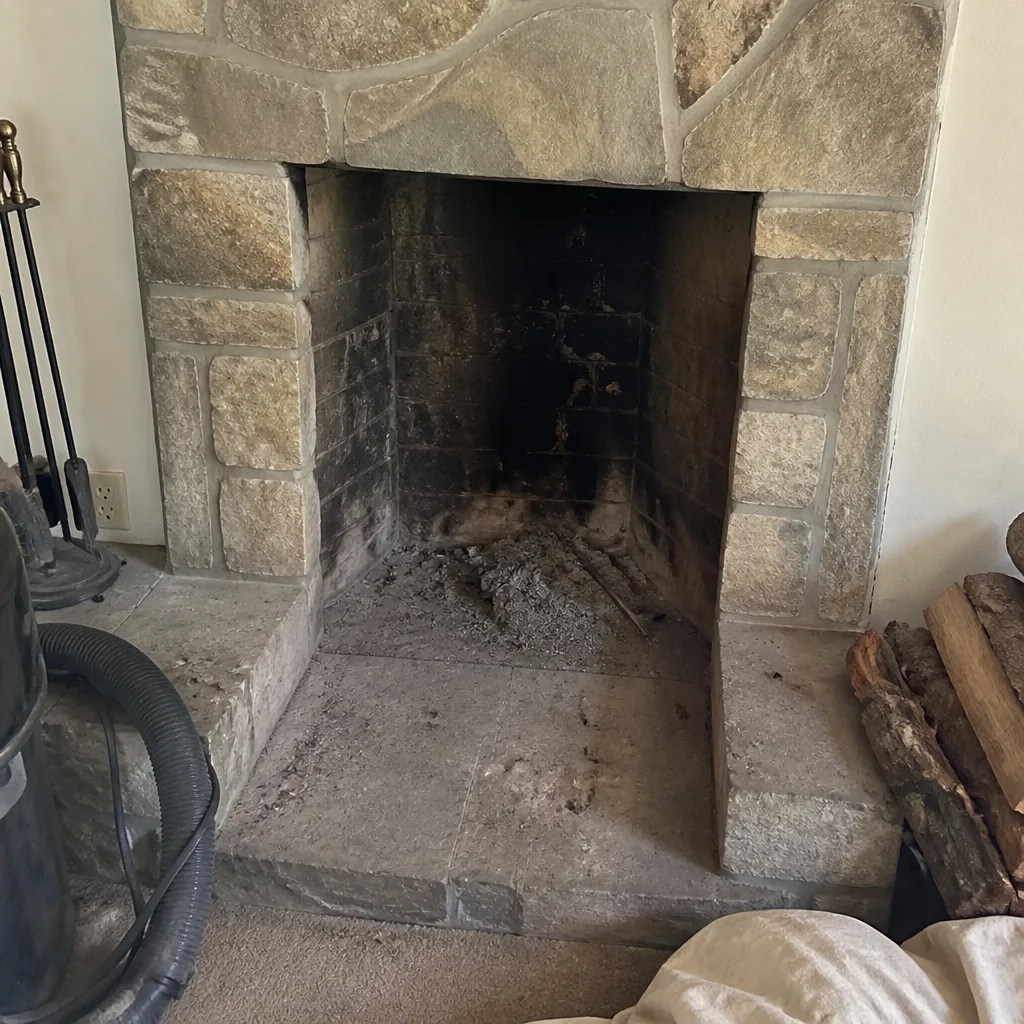
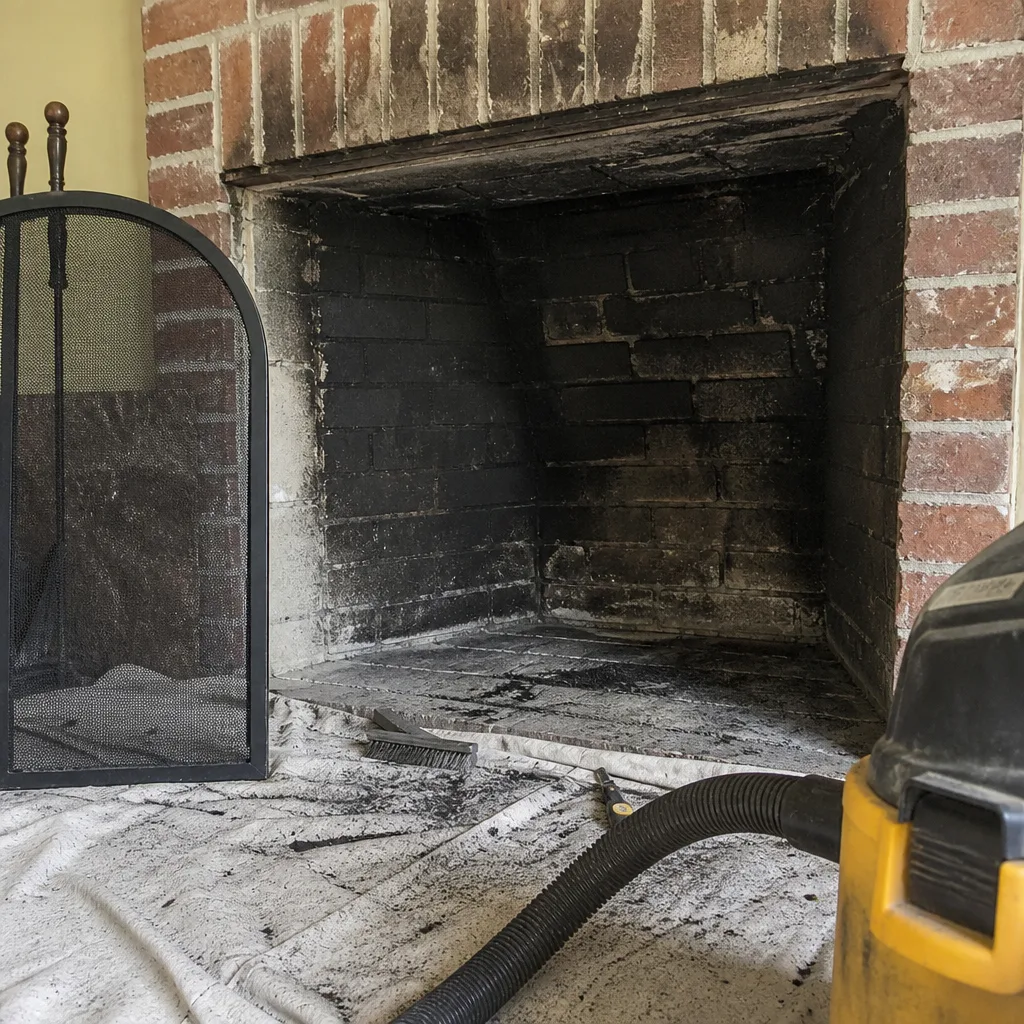 Before
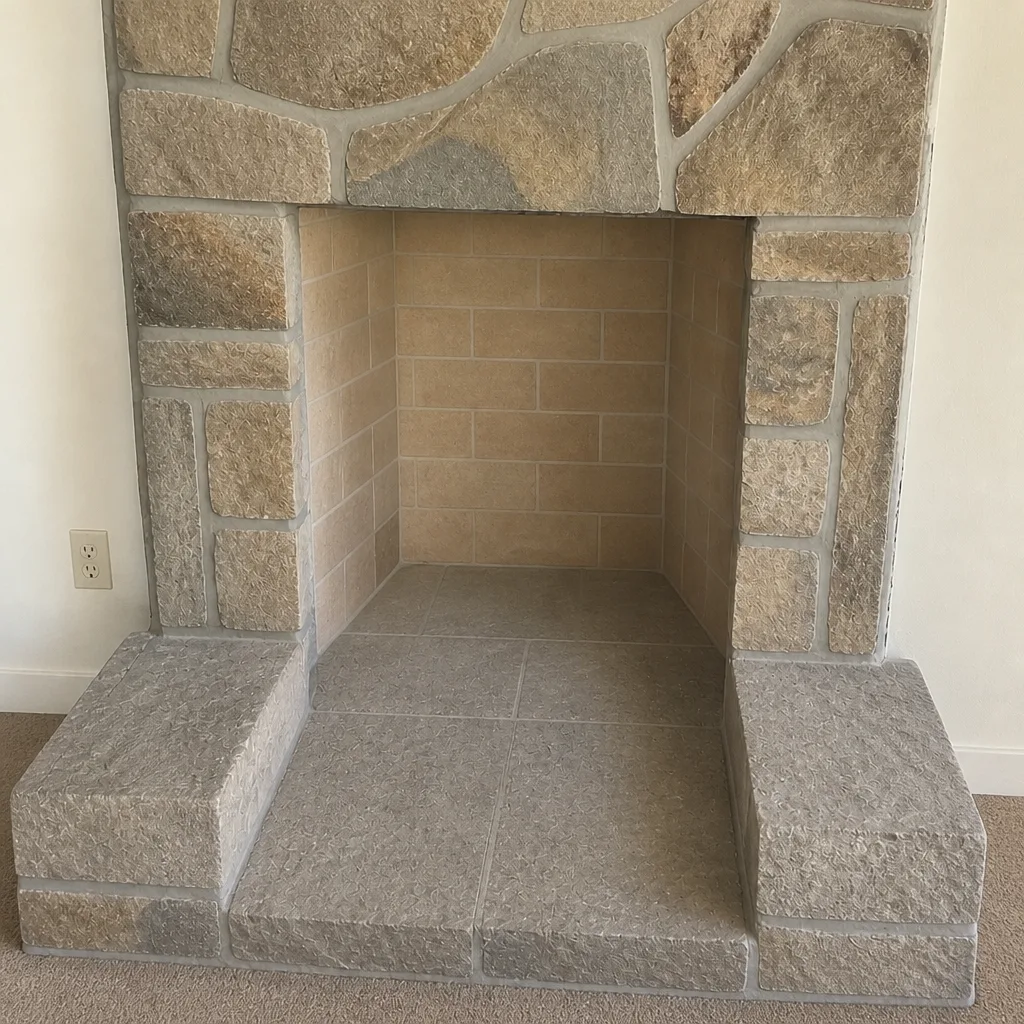
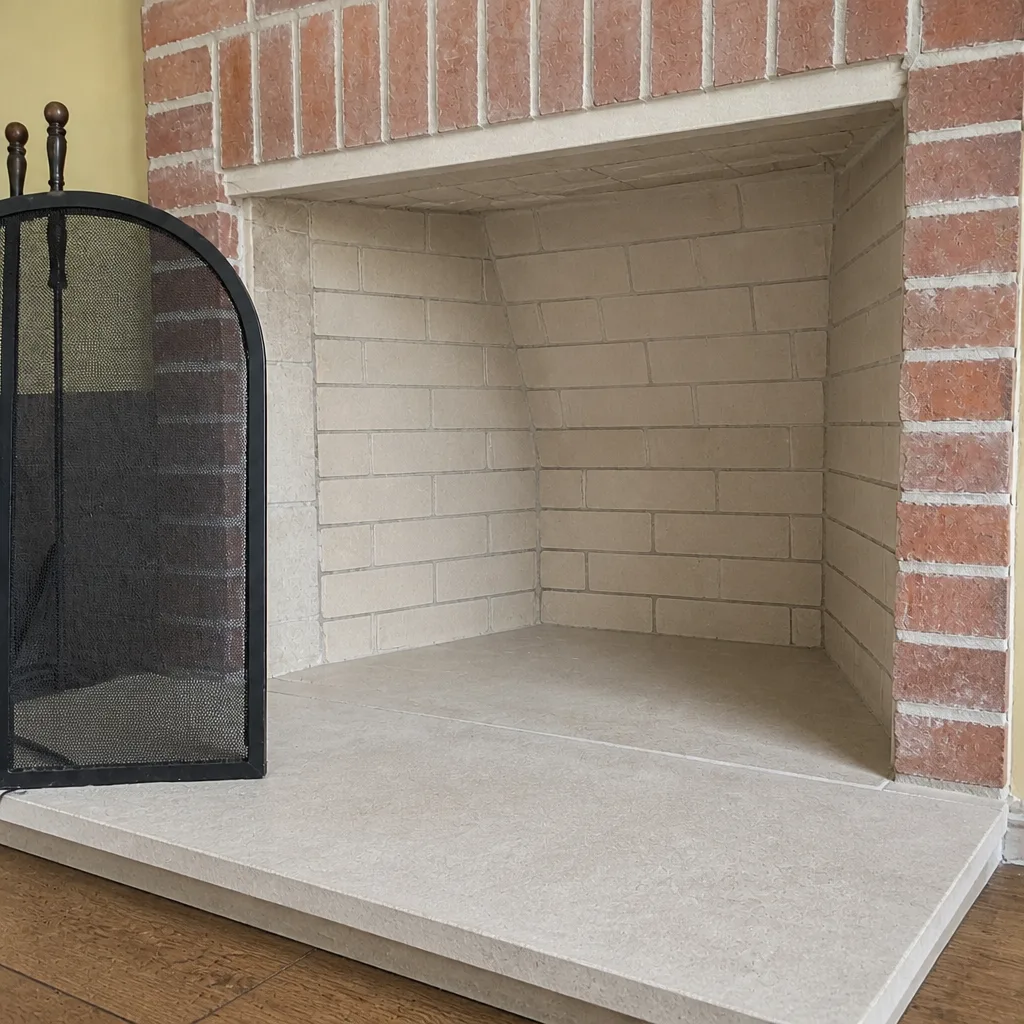 After
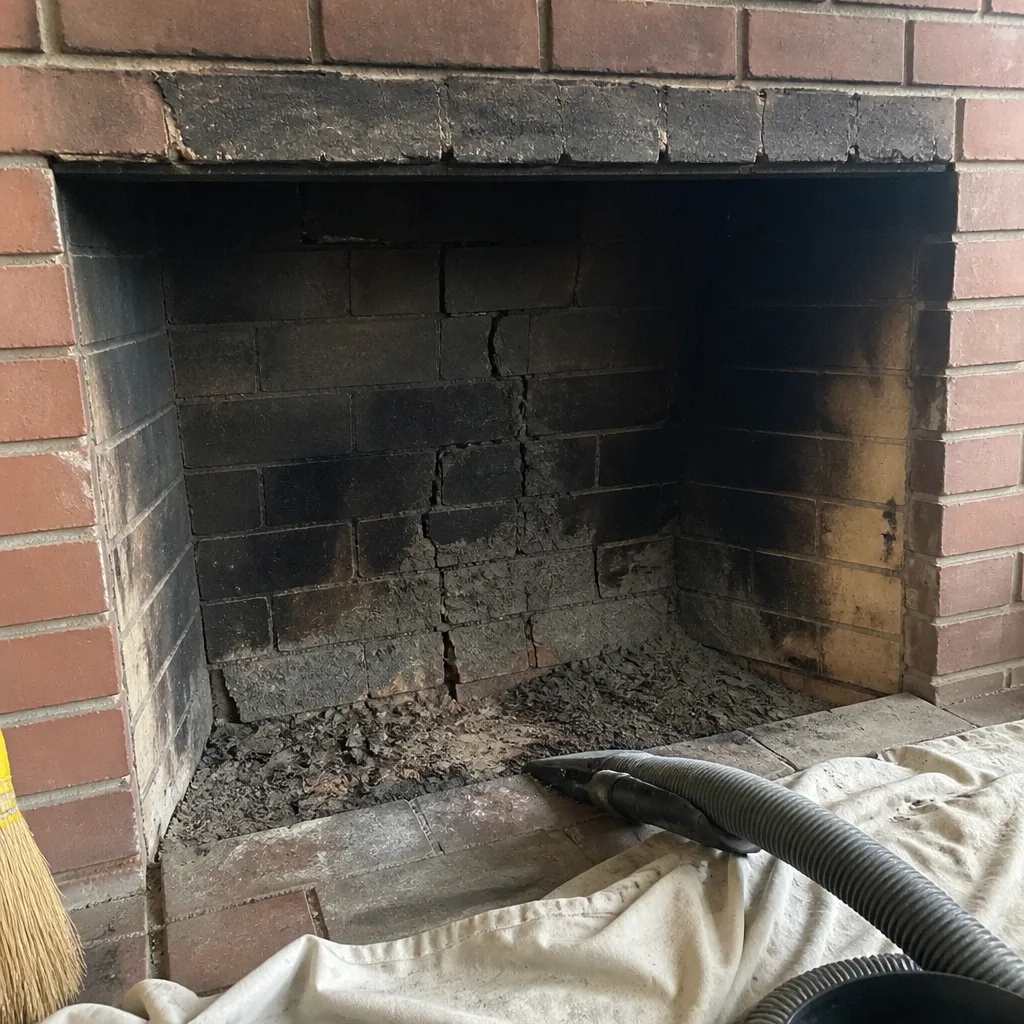 Before
 After
 Before
 After
When to Call a Professional
Some calls are obvious and some aren’t. Call a professional if you haven’t swept in over a year and you burn regularly, if you’ve heard a chimney fire or a roar like a freight train within the flue, if you see glaze on the flue wall through the firebox, if smoke rolls into the room on cold mornings, if your damper sticks, or if any exterior mortar, crown, or cap looks damaged. Call before the season, too, if you’re selling the home or you’ve never had the chimney inspected. Standalone inspection requests are common, and a Level 1 with a photo report is a sensible starting point if you’re unsure of the chimney’s condition.
Chimney Sweep Chico offers free estimates in Chico. Call (844) 320-4731. We answer 24/7. Fast dispatch from 7am to 7pm, Sunday through Friday.
A note on safety: glaze creosote accumulation in a flue is a genuine fire hazard, and carbon monoxide is a real risk when a chimney is capped, blocked, or venting poorly. If you’re unsure whether your flue is clear or your cap is blocked, don’t test it with a fire. Closed flues and blocked caps are how people end up with CO in the house, and no amount of checking from the firebox replaces a camera inspection.
Frequently Asked Questions
Once a year is the minimum if you burn up to one cord, but most Chico households that heat with wood should plan on every eight to ten months at two cords and every six to eight months at three or more cords. The frequency depends on the deposit, which is why a camera inspection with each visit is the real guide. If you’re not sure where your household falls, call (844) 320-4731 for a free estimate on a sweep and inspection.
Yes, at least annually, and possibly more often. “A few cords” puts you above the one-cord assumption behind the annual standard, and valley oak burned in an open fireplace deposits at a real rate. The cheapest way to settle it is to have the first sweep include a camera inspection and photo report; then you know your household’s rate instead of guessing. Call (844) 320-4731 to get it booked.
A sweep removes the deposit, and an inspection evaluates the condition of the flue, firebox, damper, and cap. Most visits should include both: a standard cleaning plus a documented look at what the flue is doing. We do all three services, sweeping, inspection, and repair, so the findings from the inspection can go straight to the repair without a second contractor. Call (844) 320-4731 if you want an inspection as a standalone visit.
No. Even light use leaves some deposit, and the annual sweep also runs a camera over a flue that could have a cracked tile, a loose cap, or a damaged damper that occasion use hasn’t revealed. Skipping it doesn’t save the sweep; it defers the finding. If it’s been over a year, call (844) 320-4731 for a free estimate and we’ll book the sweep and the inspection together.
Yes, if you’re burning around three cords or more. The value is catching glaze creosote in January, while it’s still removable, rather than waiting for the end-of-season sweep in March. A mid-season visit is an inspection, not a second cleaning, so it’s a smaller job than the annual service. Call (844) 320-4731 to ask about a mid-season inspection and the photo report that comes with it.
Chico’s hot, dry summers are hardest on the exterior masonry, so the mortar, crown, and cap checks are a September job. The mild winters don’t stress the flue as much as a colder climate would, which means the deposit is the main driver of the schedule, not weather damage. The Central Valley’s insects and spiders nest in caps over the warm months, so the cap screen check before November matters. If you’re planning a pre-season sweep and inspection, call (844) 320-4731 and we’ll get it on the calendar before the burning season.
The Bottom Line
The annual sweep is a floor, not a plan. A Chico household burning valley oak for a five-month heating season accumulates creosote on its own timeline, and the schedule should be indexed to cords, not to a calendar. One cord gets an annual sweep. Two cords get every eight to ten months. Three or more gets six to eight months plus a mid-season inspection in January or February. Mix in a September pre-season check of the firebox, damper, cap, and mortar, do the sweep and inspection in October, do the heavy repairs in the summer, and document everything with dates and photos. That’s the whole system, and it’s a straightforward one to keep. Call (844) 320-4731 for a free estimate. We answer 24/7. Fast dispatch from 7am to 7pm, Sunday through Friday.
Written by the team at Chimney Sweep Chico.