
Last updated November 16, 2026
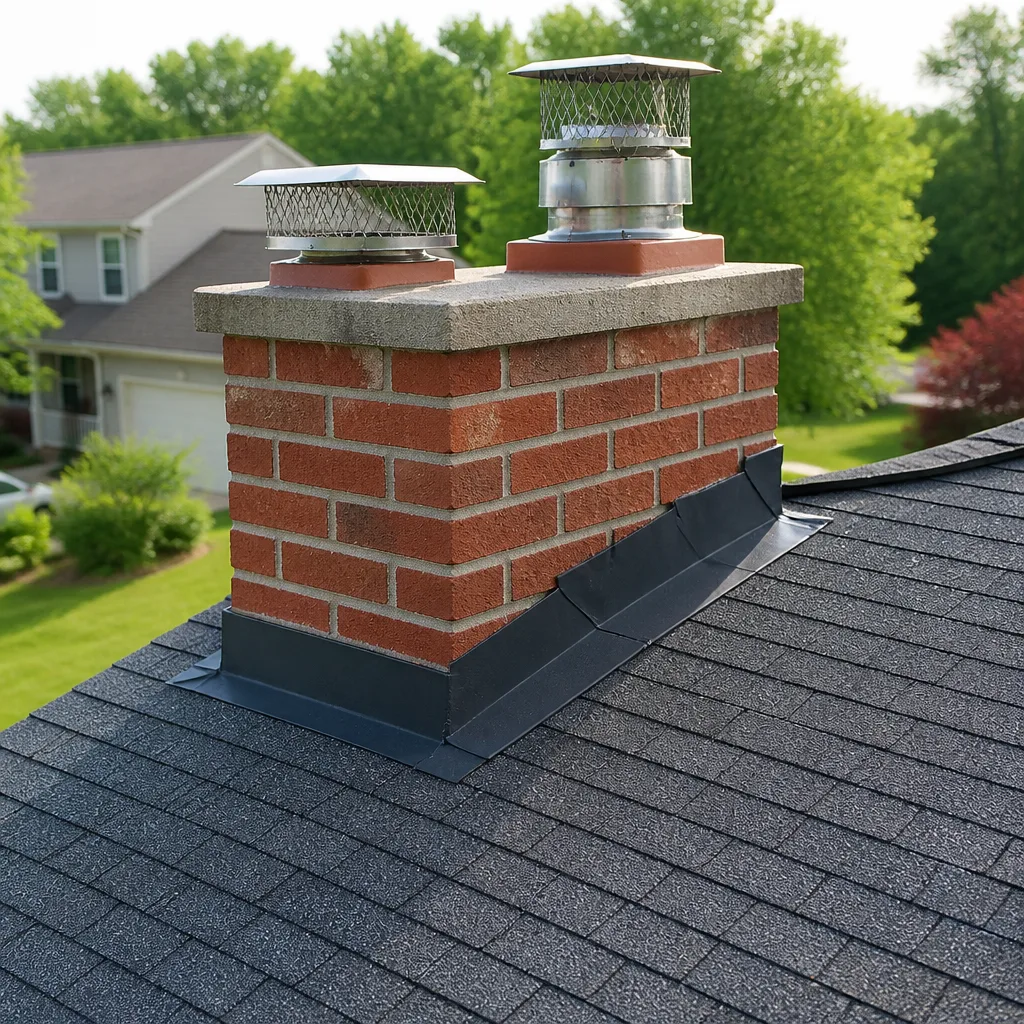 Sweep & inspection
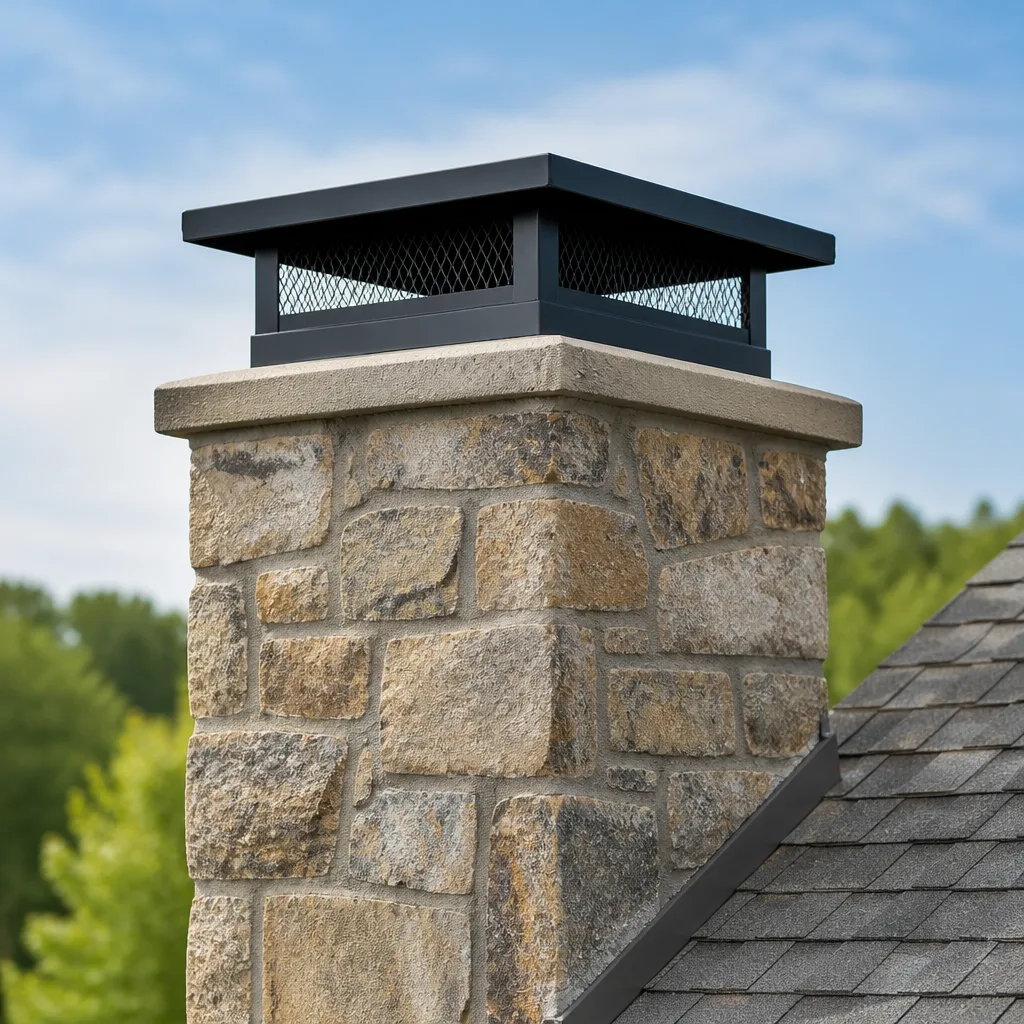 Caps & crowns
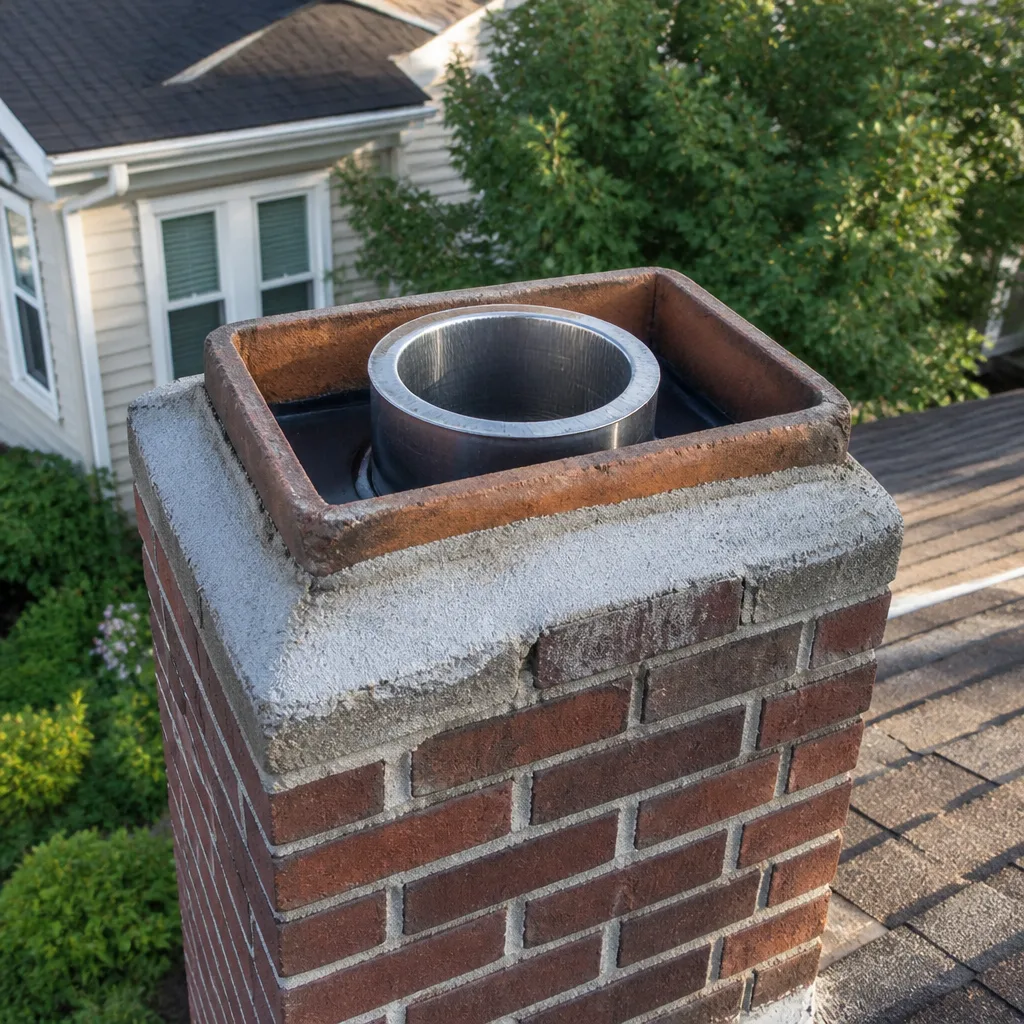 Flue relining
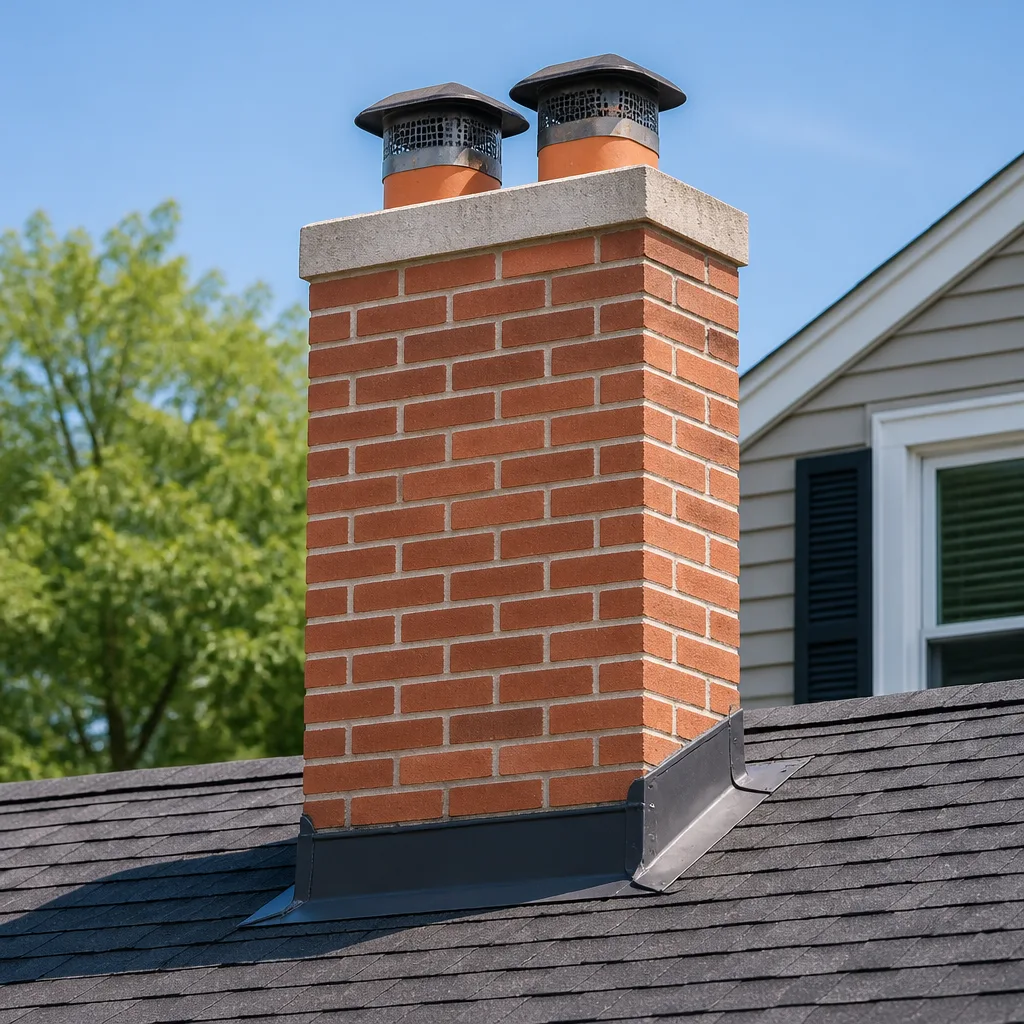 Masonry repair
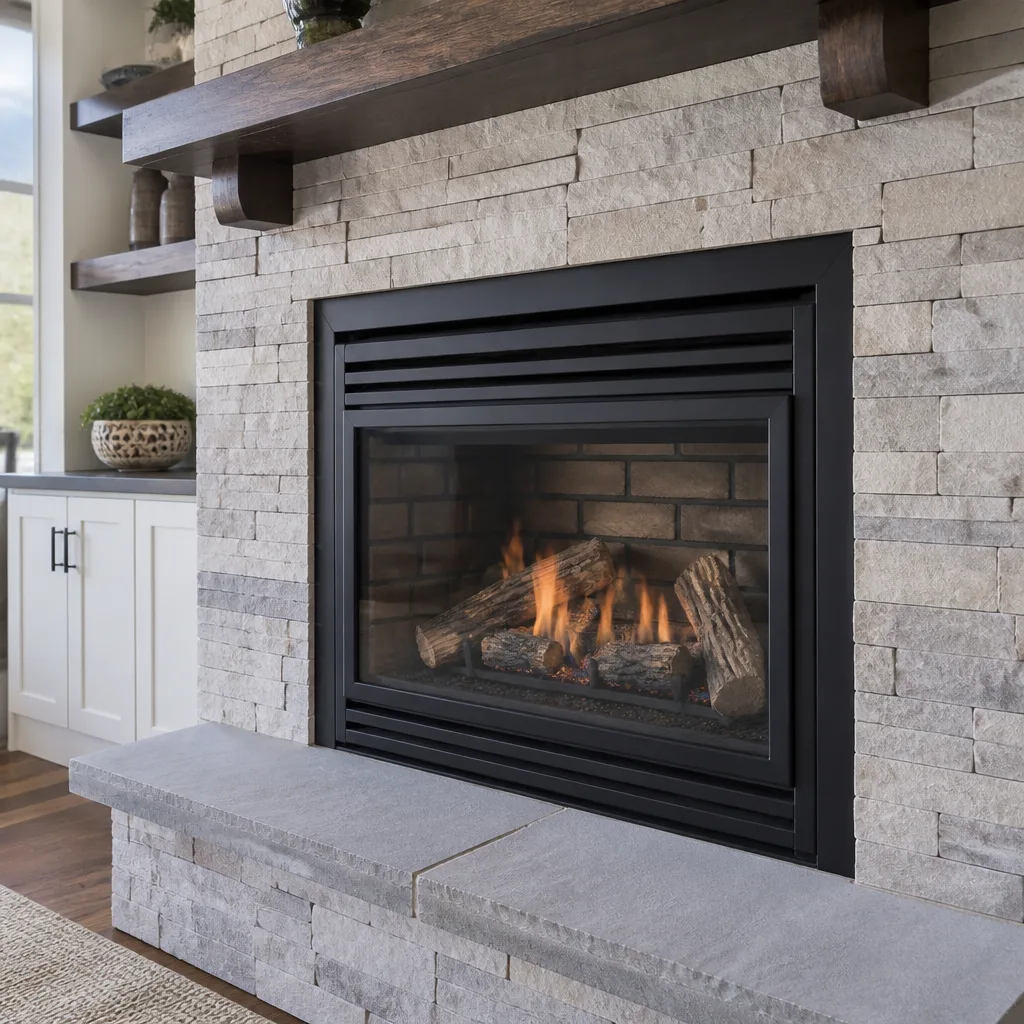 Gas fireplace service
Level 1 sweep and inspection to the NFPA 211 annual standard - flue, crown, cap, and flashing checked and photographed
Chimney sweep logs do not sweep chimneys. They loosen some creosote - which then falls where a brush and vacuum still have to collect it.
How to Hire a Chimney Cleaning Contractor in Chico: A Step-by-Step Guide
Three homeowners on the same street can get quotes ranging from $89 to $420 for what every one of them calls “chimney cleaning,” and the spread usually isn’t about profit margin. It’s about whether the contractor is doing the same job. A $89 special sometimes means a brush waved at the firebox and a look up the flue from the floor. A $420 quote sometimes means a full sweep, a camera inspection, and a written report with photos. The words on the phone are identical. The work is not. Around Chico, the market also includes general handymen who bolt chimney work onto a long list and pressure-washers who advertise “chimney cleaning” because they own a wand. This guide gives you a vetting framework built on credentials, equipment, and documentation instead of star ratings alone, so you can compare apples to apples.
Quick Answer
To hire a chimney cleaning contractor in Chico, verify the sweep is CSIA-certified or works under someone who is, confirm they carry general liability insurance and workers’ comp, and ask exactly what equipment they use to contain creosote dust. Then compare quotes on scope, named materials, and what’s excluded, not on the headline price. A legitimate sweep will hand you a written inspection report after the cleaning, not a verbal “looks fine.”
Styles & brands we work with
- Sweep & inspection
- Caps & crowns
- Flue relining
- Masonry repair
- Gas fireplace service
Table of Contents
- Why the Chico Chimney Market Is Confusing
- What CSIA and NFI Credentials Actually Mean
- How to Verify a Contractor’s Credentials
- Five Questions to Ask Before You Book
- Red Flags Specific to the Chico Market
- What a Written Inspection Report Should Include
- How to Compare Quotes Apples-to-Apples
- When to Schedule: Working Around the Chico Burning Season
Why the Chico Chimney Market Is Confusing
Chico sits in the Sacramento Valley, where summer heat lingers into fall and winter evenings arrive damp and cool. Wood heat isn’t a decoration here; for a lot of homeowners it’s a real heat source through December and January, and a fireplace or stove gets run hard. That creates steady demand for chimney work, and steady demand attracts people with a truck and a brush who aren’t necessarily chimney professionals. There’s no single local board that vets chimney sweeps, so the buyer carries most of the diligence. Our Chimney Sweep Chico team sees the results of that gap often: flues cleaned from the wrong end, cap work improvised from sheet metal, liners quoted without any inspection, and reports that amount to a shrug.
The fix isn’t suspicion of everyone. Legitimate, credentialed sweeps absolutely operate in Chico, and they’re the norm more often than the exception. The problem is that a homeowner can’t tell them apart on price alone. A fair quote and an inflated quote can look nearly identical on a phone call, because the scope of work is invisible until someone describes it precisely.
That’s the whole purpose of a vetting framework: it moves the conversation from “what will you charge” to “what exactly will you do, with what tools, and what will you leave behind in writing.” Once you have those three answers, comparing a $89 quote to a $420 quote becomes simple arithmetic.
What CSIA and NFI Credentials Actually Mean
The Chimney Safety Institute of America (CSIA) is the recognized credentialing body for chimney sweeps in the United States. The CSIA Certified Chimney Sweep designation means the individual passed an exam covering chimney construction, venting, codes, and cleaning practice, and must maintain it through continuing education. That matters to you because it shows the person on your roof understands how flues actually work, not just how to push a brush. It’s the baseline, not a bonus.
NFI stands for the National Fireplace Institute, and NFI certification covers hearth appliance installation and venting. It applies more to gas, wood, and pellet appliance work than to a routine sweep. If your job involves a stove install, a liner, or a venting change, an NFI-certified technician’s knowledge is directly relevant.
- CSIA Certified Chimney Sweep: individual-level credential, exam-based, renewable, covers chimney and venting fundamentals.
- CSIA Certified Dryer Exhaust Technician: a separate credential for dryer vent work; not what you need for a chimney sweep.
- NFI certification: appliance and venting installation; relevant when a repair involves a stove or insert.
- General liability insurance: covers damage to your home; completely separate from certification.
- Workers’ compensation: covers injury to the technician working at your house.
Credentials and insurance are two different things, and you want both. A certified sweep without liability coverage leaves you exposed if something gets broken. An insured sweep without certification may not know what he’s looking at up there. The combination is what a fair quote pays for. When you’re planning a chimney sweep, ask for both, and treat “we’re licensed and insured” without follow-up as incomplete. Our technicians have up to 8 years of experience, and we document what we find on every visit.
How to Verify a Contractor’s Credentials
Verification is quick and takes under ten minutes. You’ll need the company name, the name of the technician who’d arrive, and your phone. Do it before you book, not after.
- Ask for the individual’s name and sweep ID if they carry one. A CSIA-certified sweep can be looked up in the CSIA’s public directory by name or company. If someone can’t give you a name, that’s a telling answer.
- Confirm the certification is current. CSIA credentials renew; a lapsed certification isn’t the same as an active one.
- Ask for a certificate of insurance showing general liability coverage. A real contractor can email it. A handyman usually can’t, because he doesn’t carry the policy.
- Ask about workers’ compensation. In California, any employer with employees must carry it. If you hear “we’re all independent, we don’t need it,” ask who pays the medical bill if someone falls off your roof.
- Confirm the scope on the phone in writing. Ask the contractor to text or email the scope of work, including equipment and what’s excluded. Legitimate contractors will put it in writing without complaint.
- Check that the company name on the insurance certificate matches the name on the quote. Mismatches usually mean a subcontract relationship you weren’t told about.
Nothing here requires a specialized database or a subscription. It’s three phone calls and a glance at a PDF. Homeowners who do this in Chico routinely find that the quote they were about to accept doesn’t hold up to a single question about insurance. That’s a good outcome, not an awkward one.
Five Questions to Ask Before You Book
These are the questions that separate a professional scope from a phone-call pitch. Ask all five, and listen for whether the person on the other end can answer with specifics.
- “What equipment do you use to contain creosote during cleaning?” A professional sweep works with drop cloths, a HEPA vacuum, sealed bags, and containment around the firebox. The dust from creosote is the reason to ask. If the answer is “we brush it and vacuum,” keep shopping.
- “Do you carry general liability insurance and workers’ comp?” Ask for the certificate. This is your protection, not theirs.
- “Will I get a written report with photos?” A verbal ok isn’t documentation. A written report includes what was inspected, what was found, and what wasn’t accessible.
- “What’s your criterion for recommending repair versus waiting?” A good sweep can tell you calmly whether an issue is a safety call now or a maintenance item for next year. If every visit leads to a liner quote, ask why.
- “What brands and models do you install, and can you show me the spec sheet?” Repair materials should be traceable. The right liner for your flue should be a Precision fit, not whatever’s in the truck. If the answer is “we use the standard stuff,” you have no idea what’s going in.
These five questions are not hostile. Sweeps who do professional work welcome them, because they open the door to the conversation that matters: what’s actually going on in your flue. That’s where chimney repair starts, and honest answers up front build the trust that carries through the visit.
Red Flags Specific to the Chico Market
The Chico market has a few patterns that show up again and again. None of them is proof of fraud. Each is a signal worth asking about.
- Fear-selling tied to wildfire risk. Chico has genuine wildfire exposure, and that’s a legitimate reason to keep your chimney in good order during the burning season. It’s not a justification for telling every homeowner her flue “will kill her family this winter.” A sweep who sells on fear alone is selling, not diagnosing. Ask for the evidence, ask to see the photo, and walk away from anyone who can’t produce it.
- A handyman who adds chimney cleaning to a long list. Plumbing, drywall, gutters, and chimney sweeps are different trades with different equipment. Ask what the shop actually does. If chimney work is a single line item under “general services,” the tools are probably generic.
- “We’ll come sweep and inspect, and if you need a repair, we’ll quote it on the spot.” Sometimes that’s an honest one-visit workflow. But you should be able to see the camera footage and the findings before any repair is discussed. Our team works from photos and a written report every time.
- Unlicensed contractors priced well below market. A very low quote often covers a brush and a vacuum only. No camera, no report, no documentation. You saved $200 and learned nothing about your chimney.
- Cap work done with improvised sheet metal. A properly fitted cap uses a system designed for the flue, such as a Gelco or Famco cap. Look for fitted hardware with a brand name, not a cut-and-bent plate.
- A quote given without ever looking inside. Any “you need a new liner” number offered before a camera inspection exists should be set aside until the inspection happens.
None of these patterns requires confrontation. A single question – “can I see the photo” – usually sorts it out.
What a Written Inspection Report Should Include
A written report is the deliverable that separates a professional sweep from a brush visit. It should be specific enough that another sweep could pick it up next year and know exactly what you were told. Here’s what belongs in it.
- Date, technician name, and company. Traceable in case of a question later.
- Appliance details: what’s connected, wood, gas, or pellet, make if visible, and whether it’s vented correctly.
- Flue type and condition: masonry tile, metal liner, or unlined, with notes on joints, cracks, and any offset.
- Camera findings with photos. Photos of the flue interior, the firebox, the damper, the smoke chamber, and the cap. Not beautiful shots. Accurate ones.
- Obstructions and debris notes: what was removed, what couldn’t be reached, and where.
- Creosote level. A note on the extent and character of deposits, with a professional judgment on whether cleaning was completed or further attention is needed.
- Structural observations: cracks in tile, failed mortar joints, spalling brick, cap condition, flashing, and any signs of water intrusion.
- Recommendations with a clear timeline: what’s a safety call now, what’s a maintenance item, and what can safely wait.
- What was not inspected. Not accessible is a real, honest answer, and it should appear in writing when it’s true.
“Your chimney looks fine” tells you nothing. It gives you no baseline to compare against next year, and no evidence if you ever have to file a claim. When we do an inspection on a Chico home, we lead with the photos. Every recommendation traces back to something you can see. Written by the team at Chimney Sweep Chico.
How to Compare Quotes Apples-to-Apples
Two quotes on the same chimney are only comparable if the scopes match. Here’s the framework we’d want if we were the ones hiring.
| Line item | What to look for |
|---|---|
| Sweep scope | Firebox, damper, smoke chamber, flue. Not just the firebox. |
| Containment and cleanup | Drop cloths, HEPA vacuum, sealed bags. Ask who cleans the floor after. |
| Inspection method | Camera inspection included or extra. Photos in the report or verbal only. |
| Repair materials | Brand and model named. DuraFlex flexible liner, HeatShield resurfacing, Copperfield or Olympia components, and fitted Gelco or Famco caps are examples of what traceable looks like. |
| Exclusions | What the quote explicitly does not cover: masonry rebuild, crown repair, chimney top work at height, permit costs if required. |
| Written estimate | Itemized lines, not a single lump sum. |
| Insurance and credentials | Certificate on file, CSIA ID provided. |
The quote that reads $89 with no scope is not, in any practical sense, cheaper than a $420 quote that itemizes a full sweep, camera inspection, written report with photos, and traceable materials. It’s a different job. Put the numbers side by side, line by line, and the right answer usually surfaces without a lot of agonizing. Chimney Sweep Chico writes every estimate in this format, and the written estimate sets the final price.
A note on materials: named brands matter because they carry spec sheets and warranty paths. When a repair uses a DuraFlex liner sized to your actual flue, there’s a documented trail if a problem ever comes up. When a flue has damage that doesn’t yet warrant a tear-out, HeatShield resurfacing is often the answer, and it’s a repair path most general sweeps can’t offer at all. A sweep who can only clean or replace is telling you the answer before seeing the problem.
When to Schedule: Working Around the Chico Burning Season
The right time for a chimney sweep in Chico is before the burning season begins, not during it. In our experience, the calendar fills up fastest in late October and November, when the first cold evenings get everyone thinking about wood. Book in late summer or early fall and you’ll have time to address whatever the inspection finds without pressure.
There’s a second reason to schedule early: safety decisions. If your flue has a creosote buildup that hasn’t been cleaned, or cracks that compromise the flue’s integrity, that’s a fire hazard on the first real burn of the season. Carbon monoxide risk escalates too when a flue is blocked or venting incorrectly. The point isn’t to alarm anyone. It’s that a fire in the chimney or a CO issue is exactly the kind of problem that gets caught in a routine sweep before it becomes an event. A trained professional should handle anything involving the flue interior; please don’t climb onto the roof or put a brush up the flue yourself.
Scheduling also matters for repair. A liner replacement or a HeatShield resurfacing job takes coordination, and having it finished before the first rain means your chimney isn’t sitting mid-repair when a system moves through. Same-day service is often available for sweeps that turn up problems on a routine visit, and we’re glad to fit a repair into the schedule when it’s needed.
Whether you’re in the older neighborhoods near downtown or newer construction on the edges of Chico, the timing logic is the same. Book before the season, get the inspection, address what it finds, and go into winter with documentation in hand. If a door fails or a flue is blocked outside of scheduled hours, call – we answer 24/7 and can book a visit for Sunday through Friday, 7am to 7pm.
Common Mistakes to Avoid
- Hiring on price alone. The $89 special and the $420 full-service visit cover different work. A quote without a scope tells you the number, not the job.
- Skipping the insurance check. A sweep who can’t produce a general liability certificate is leaving you exposed to damage to your home. It’s a one-question check that most people skip.
- Accepting a verbal report. “Your chimney’s fine” is not a service record. Without a written report with photos, you have nothing to compare against next year, and nothing to show an insurer.
- Scheduling during the burning season rush. Chico’s calendar fills up fast in fall. Booking in late summer avoids the squeeze and leaves time for any repair before the first cold night.
- Saying yes to a repair the same day it was recommended, without seeing the camera footage. A legitimate contractor can show you the evidence. If you can’t see it, don’t buy it yet.
- Letting a cap be improvised. Sheet metal over a flue isn’t a cap. A correctly fitted system from Gelco or Famco keeps out weather, animals, and debris with hardware sized to your chimney.
- Assuming the general handyman does chimney work. He almost certainly doesn’t have the equipment, the certification, or the insurance coverage for it. Chimney work is its own trade.
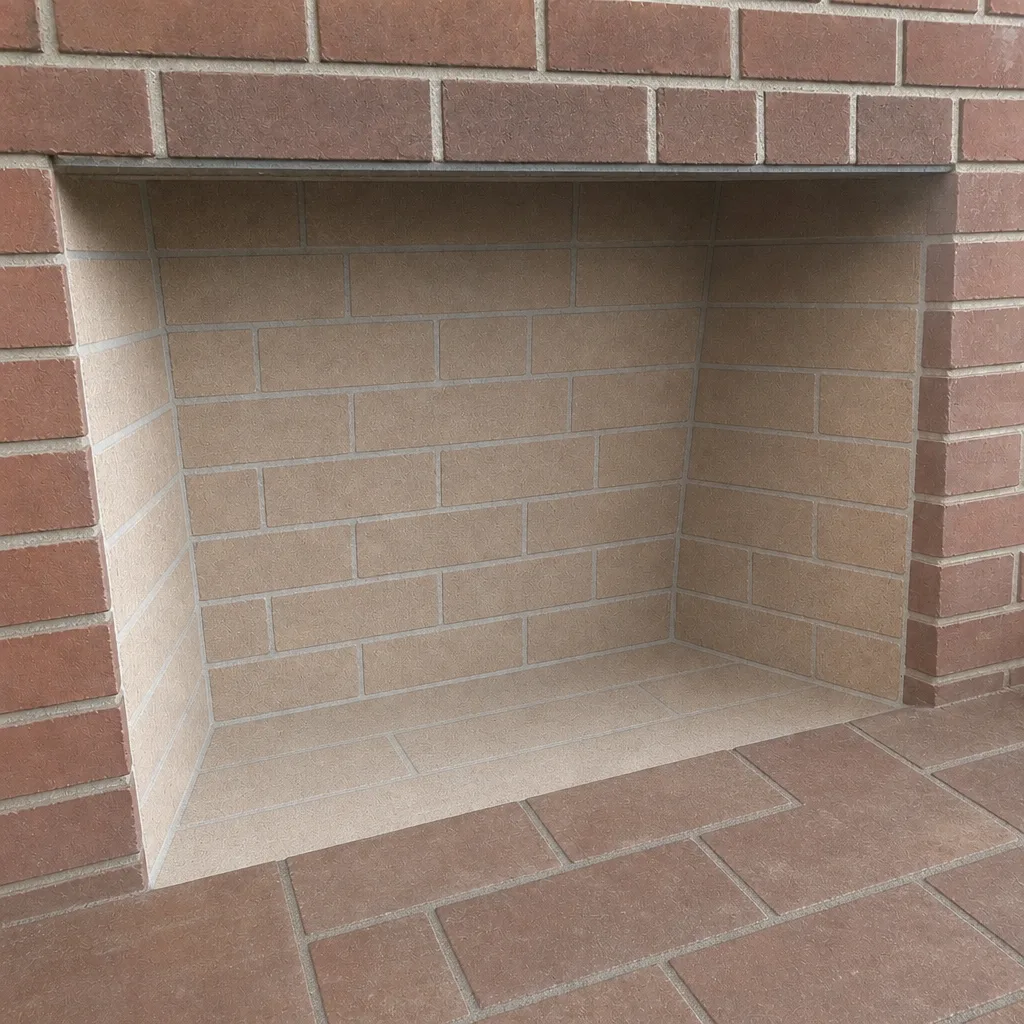
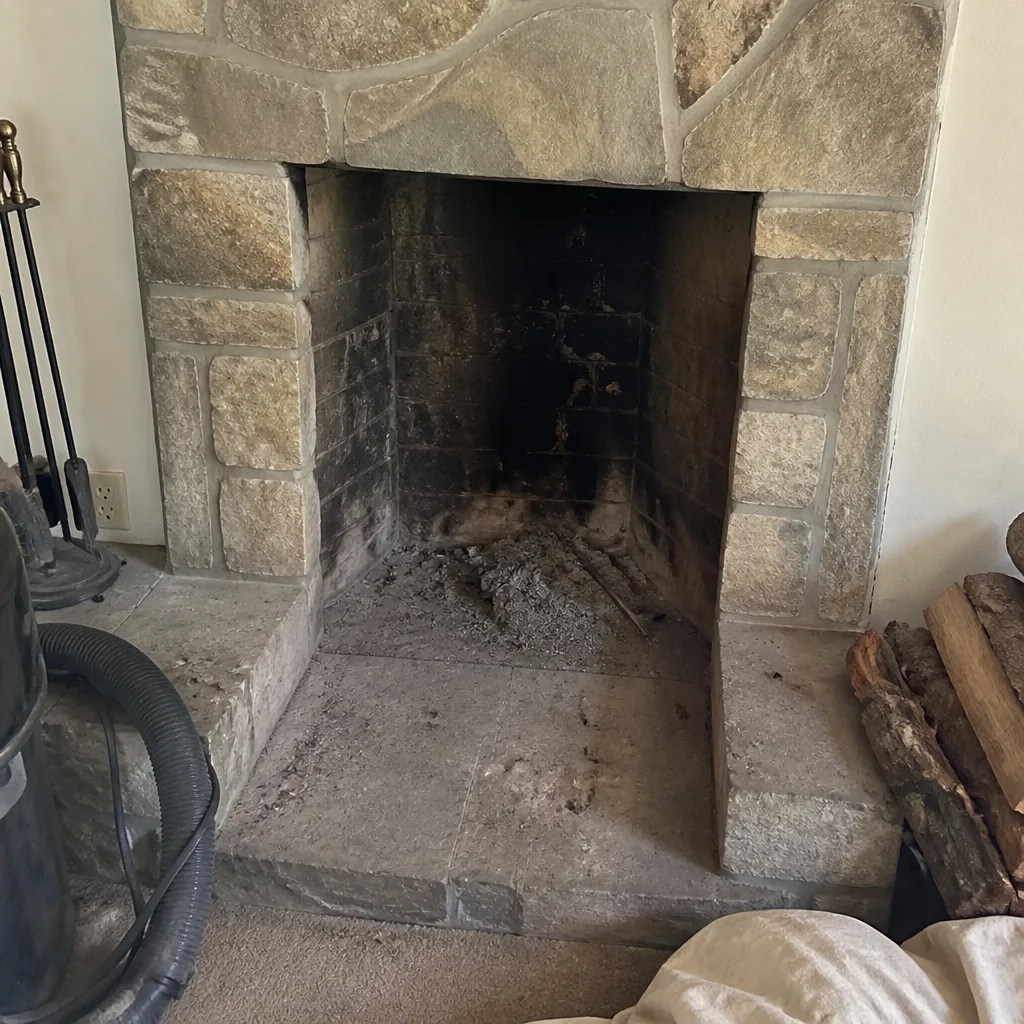
See the difference
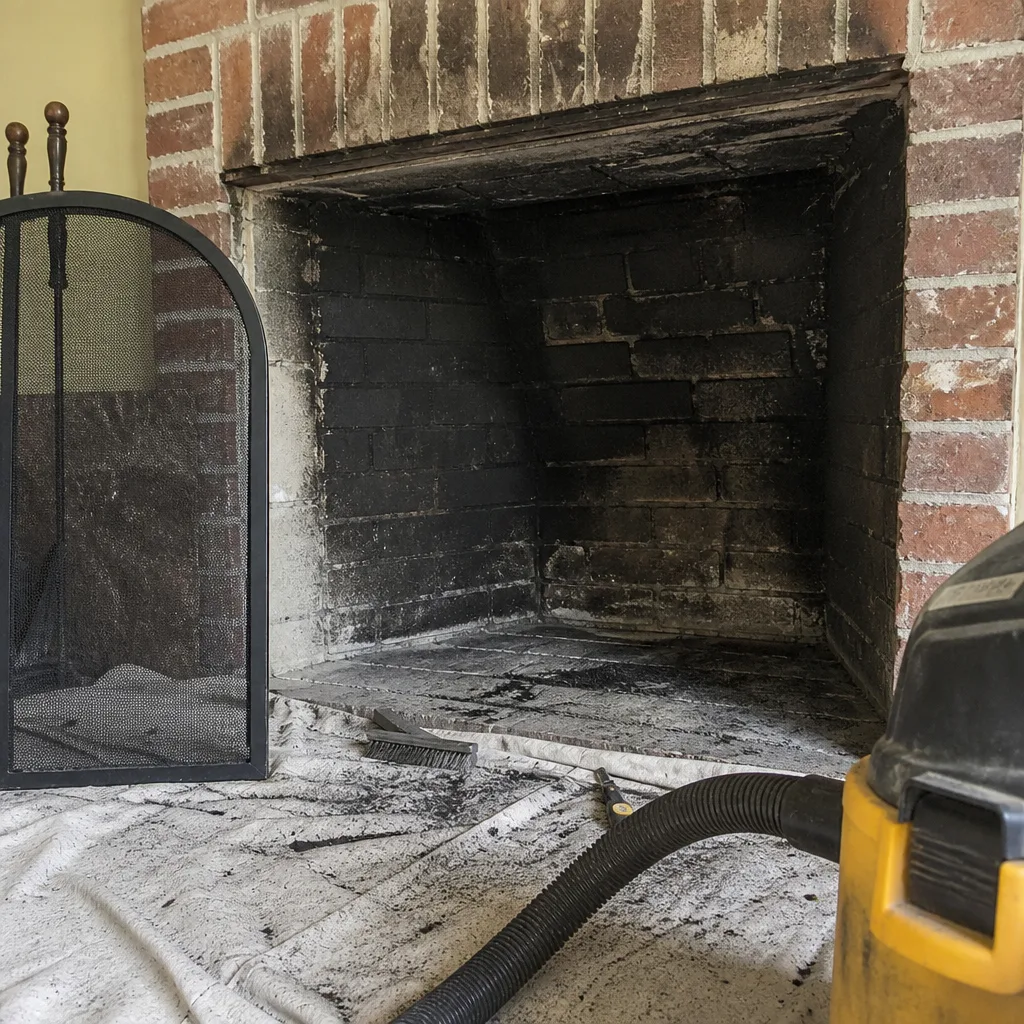 Before
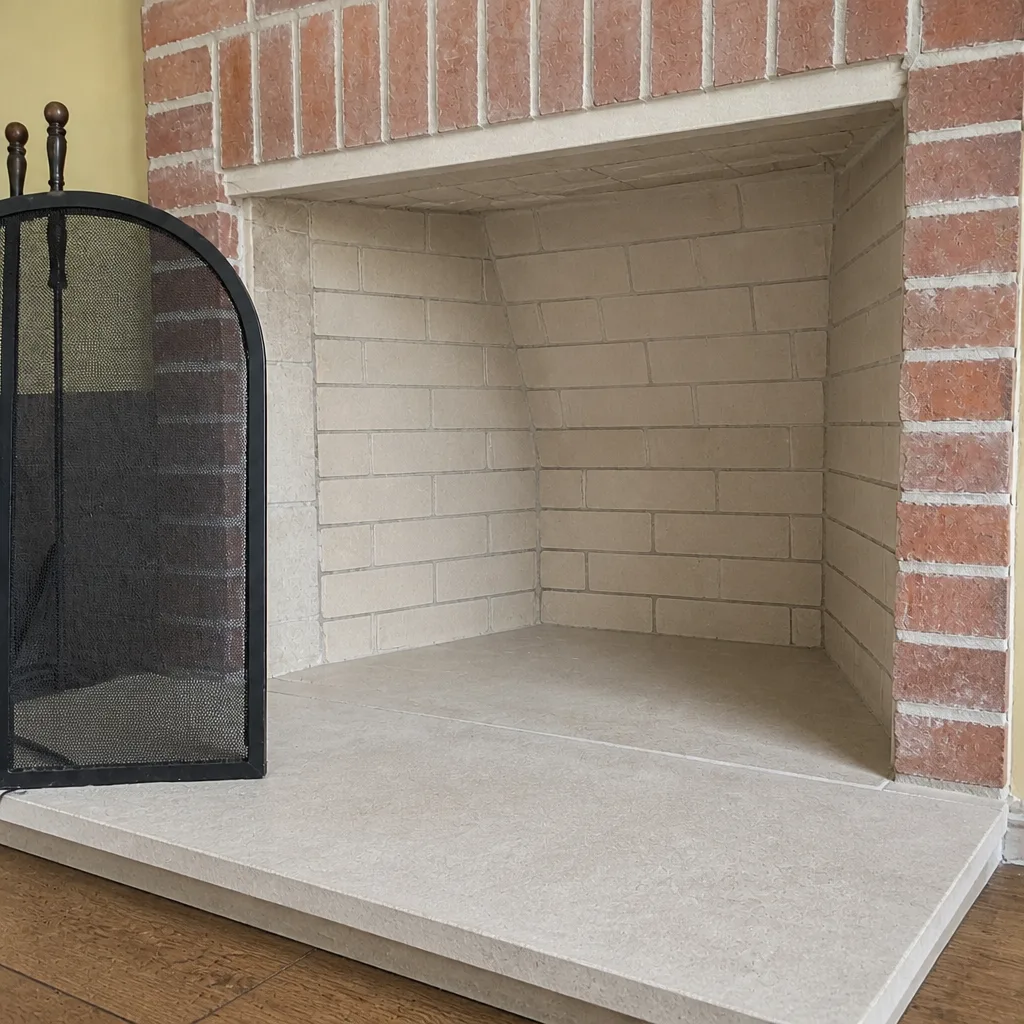 After
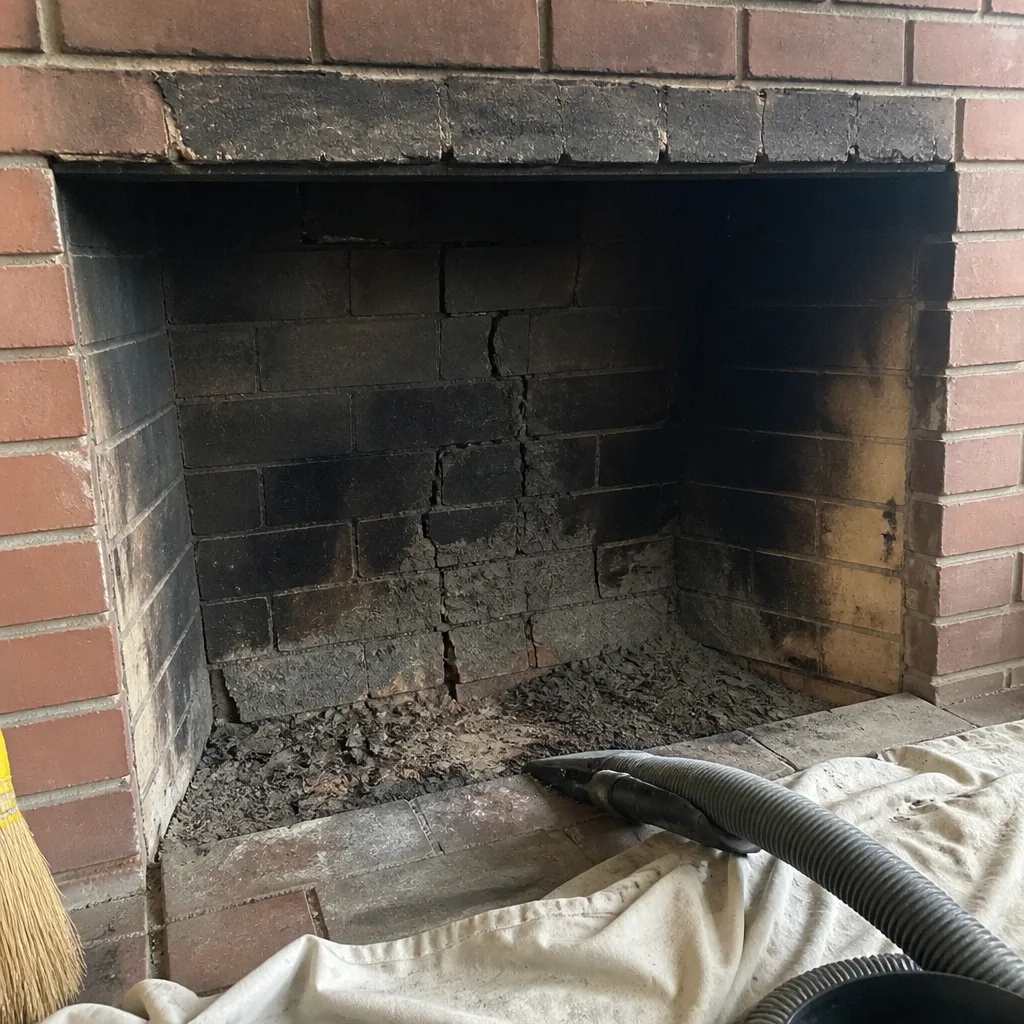 Before
 After
 Before
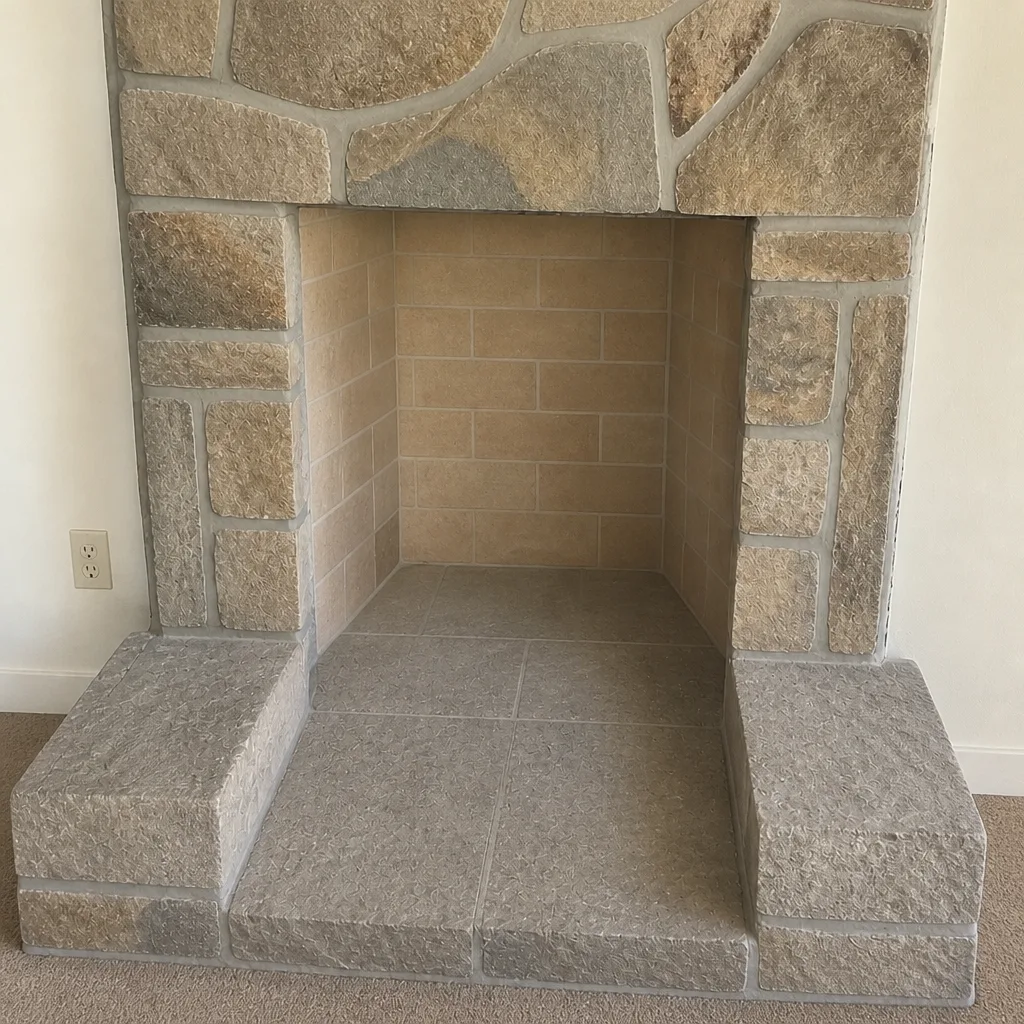 After
When to Call a Professional
There are specific situations where a chimney sweep is the right call, not a project for a Saturday afternoon. If you’ve just moved into a Chico home and don’t know when the chimney was last cleaned, that’s the first call. If you smell smoke in the house or notice a draft coming from the firebox with the damper closed, that’s worth a professional look. Creosote buildup from last winter’s burning, a cap that’s come loose, mortar joints that look worn from the ground, or a flue that’s never been inspected all warrant a trained sweep. If anyone in the household has had headaches or flu-like symptoms after a wood fire, that’s a carbon monoxide concern and should not be handled with a DIY approach. Do not climb onto a roof or attempt to inspect a flue interior yourself. Chimney Sweep Chico offers free estimates in Chico – call (844) 320-4731. We answer 24/7. Fast dispatch from 7am to 7pm, Sunday through Friday.
Frequently Asked Questions
In Chico, where wood heat gets used through the wet cool months, an annual sweep before the burning season is the right baseline, and more often if the flue accumulates creosote quickly. A home that burns daily may need attention sooner than one that burns on weekends. The written inspection report is your guide; it should tell you what the flue looked like and what to expect next time. Call (844) 320-4731 for an exact quote – estimates are free.
You need a new liner only if the existing flue is unsafe or incompatible with your appliance, and that determination should come from a camera inspection with photos you can see. A sweep who recommends a liner without showing you the evidence is asking you to trust a number. Ask for the footage, ask what the current flue looks like, and ask what happens if you wait a year. Sometimes the answer is “safe for now.” Sometimes it isn’t. Either way, nothing should be recommended without evidence. Call (844) 320-4731 for an estimate – free and written.
Chimney sweeping prices in Chico vary with the scope of the job – a basic sweep, a sweep plus camera inspection, and a sweep with a written photo report are three different jobs at three different prices. The right comparison is line-by-line, not headline. Ask for the written estimate before booking, confirm what’s included and what’s excluded, and compare on scope. Call (844) 320-4731 for an exact quote – estimates are free.
Skipping a sweep lets creosote accumulate in the flue, and creosote is fuel. Over time it can build to a level that contributes to a chimney fire when a hot fire is burned, and undetected cracks or blockages can put carbon monoxide into the home. That isn’t a scare tactic; it’s the reason sweeps exist. The fix is unglamorous and quick – a routine sweep before the season. If it’s been more than a year, call (844) 320-4731 to book an inspection.
The CSIA designation is the recognized baseline in the trade, and it does matter. It’s exam-based, current, and renewable, and it demonstrates that the sweep understands chimney construction and venting. It’s not a guarantee of a perfect job, but the combination of certification, insurance, and a written report is the package that separates a professional from someone with a brush. Our technicians have up to 8 years of experience and every visit ends with documentation.
Often yes. A sweep and a repair can be combined into one visit, which saves a second scheduling round and keeps a single contractor responsible from start to finish. The repair itself will be quoted on a written estimate once the inspection findings are known. We handle sweeping, inspection, and repair with one crew, start to finish. Call (844) 320-4731 for a free estimate.
The Bottom Line
Hiring a chimney sweep in Chico is a vetting exercise, not a price-shopping one. Check for CSIA certification, ask for the insurance certificate, ask the five questions before you book, and insist on a written report with photos. Compare quotes on scope and named materials, not on the number at the bottom of the page. Book before the burning season, and treat a recommendation for repair the same way you’d treat any other: show me the evidence. If you want a free estimate from a team that works this way, call Chimney Sweep Chico at (844) 320-4731. We answer 24/7. Fast dispatch from 7am to 7pm, Sunday through Friday.
Written by the team at Chimney Sweep Chico.