
Last updated November 16, 2026
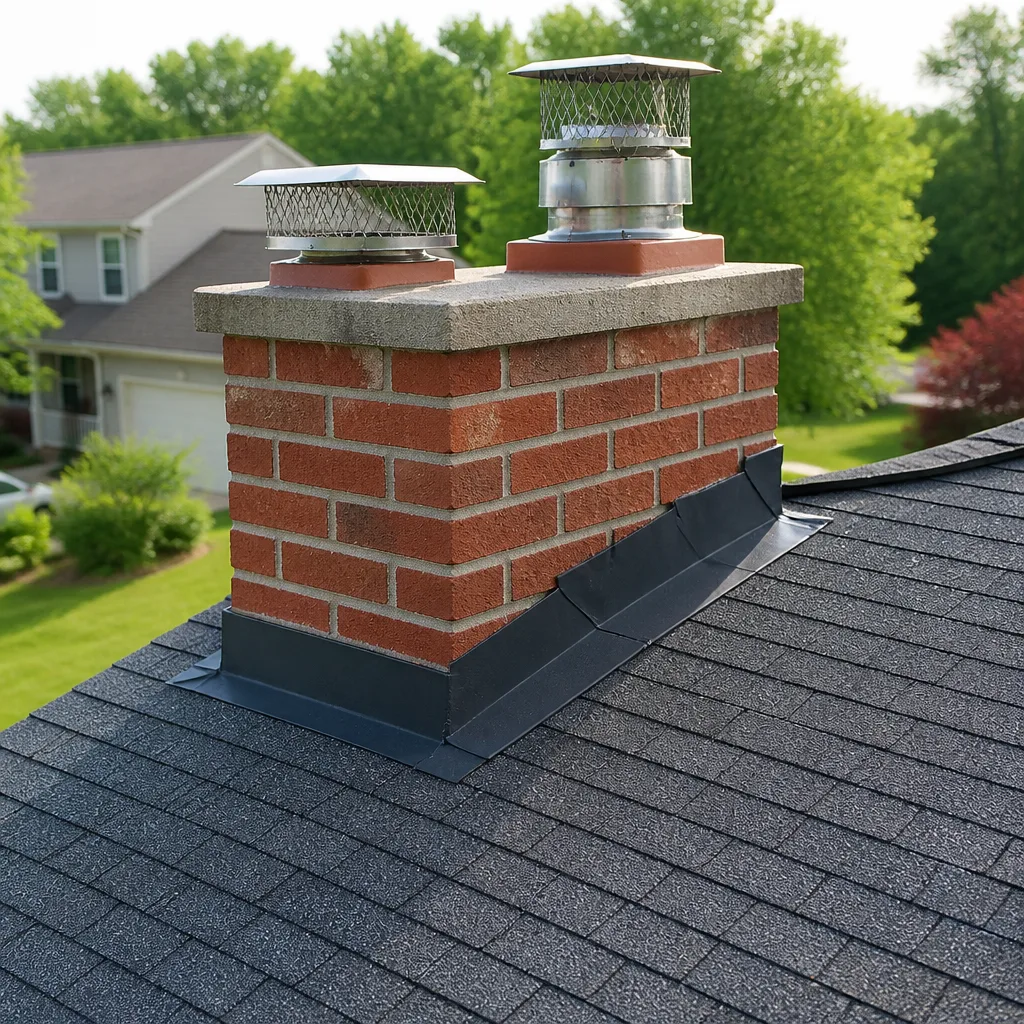 Sweep & inspection
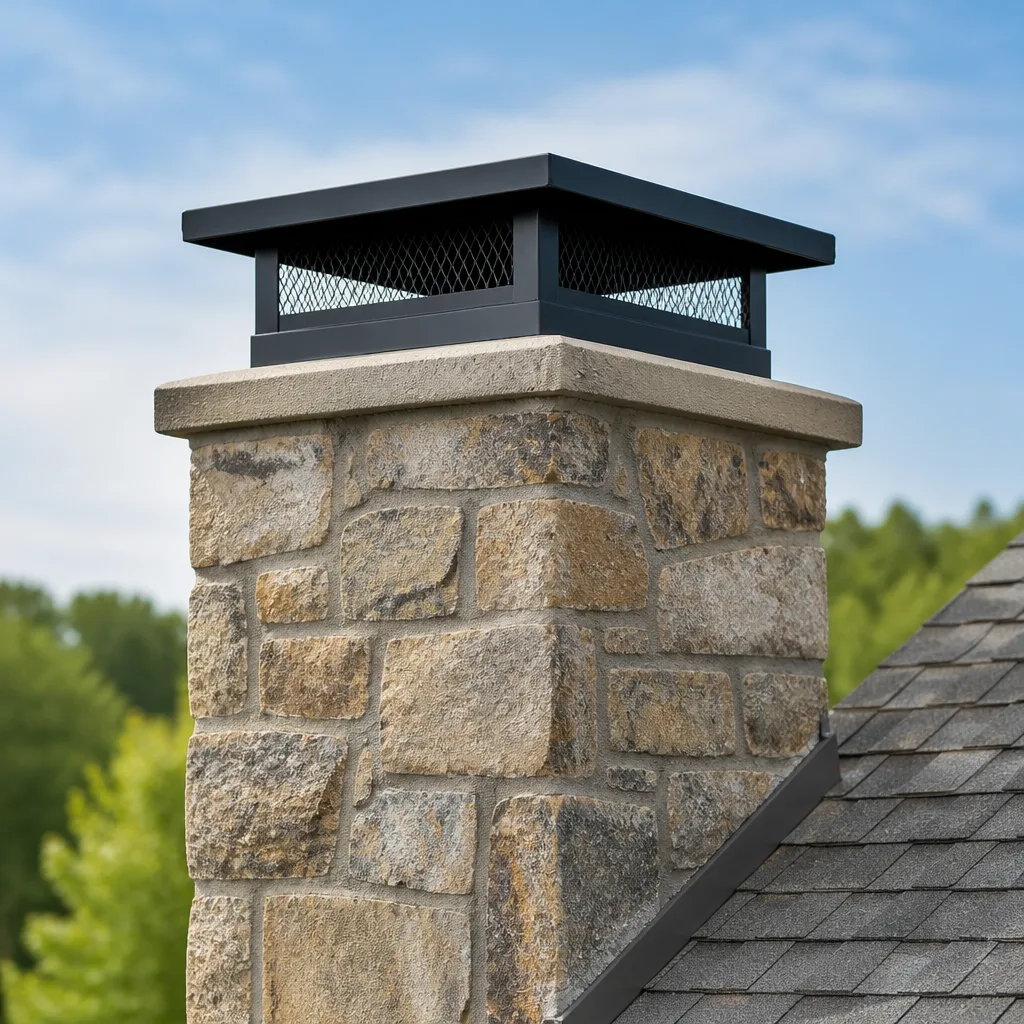 Caps & crowns
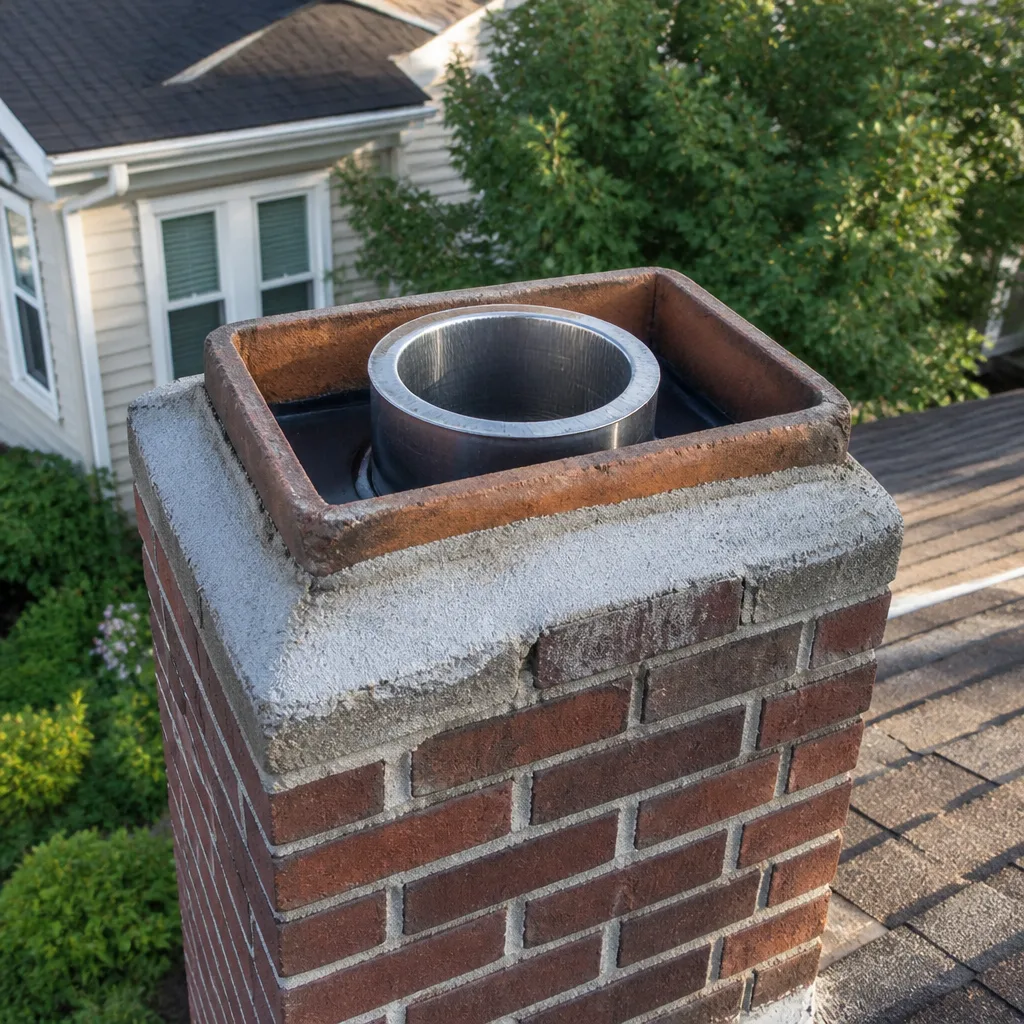 Flue relining
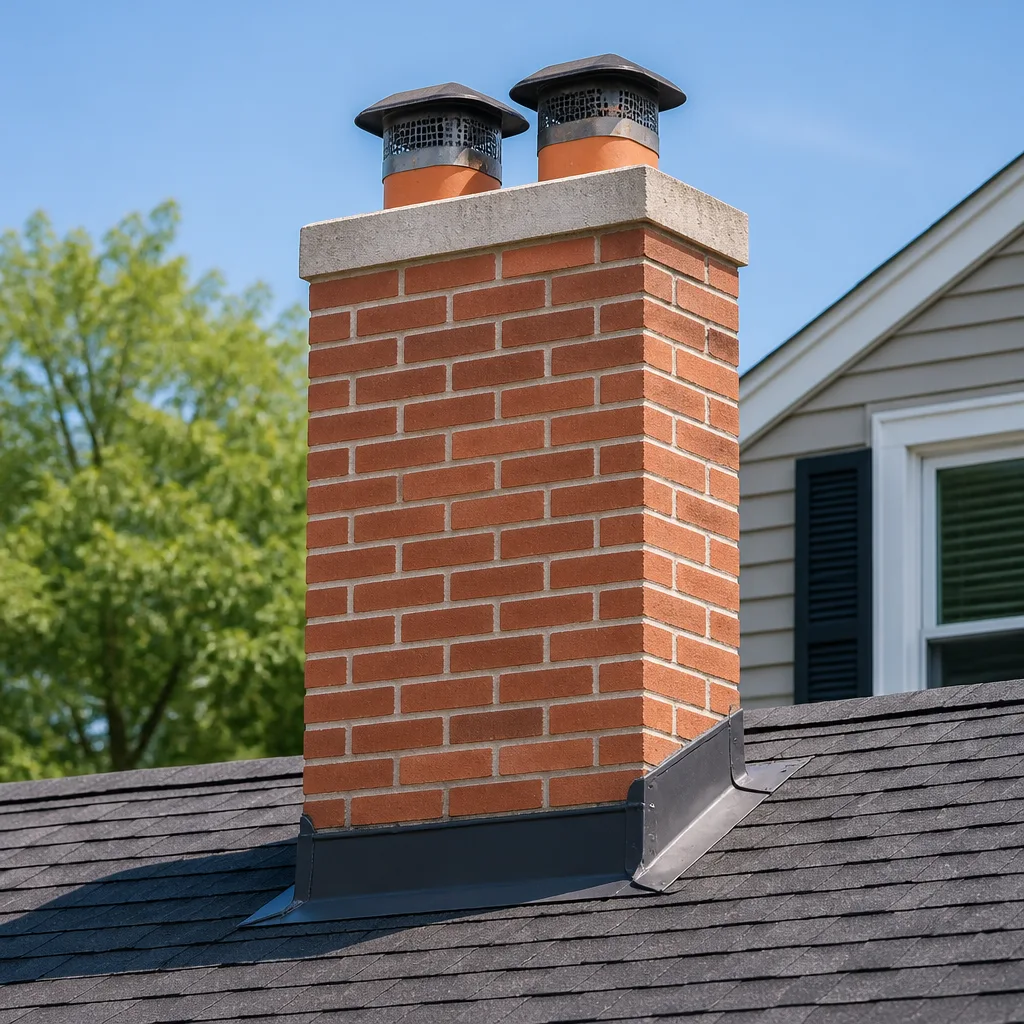 Masonry repair
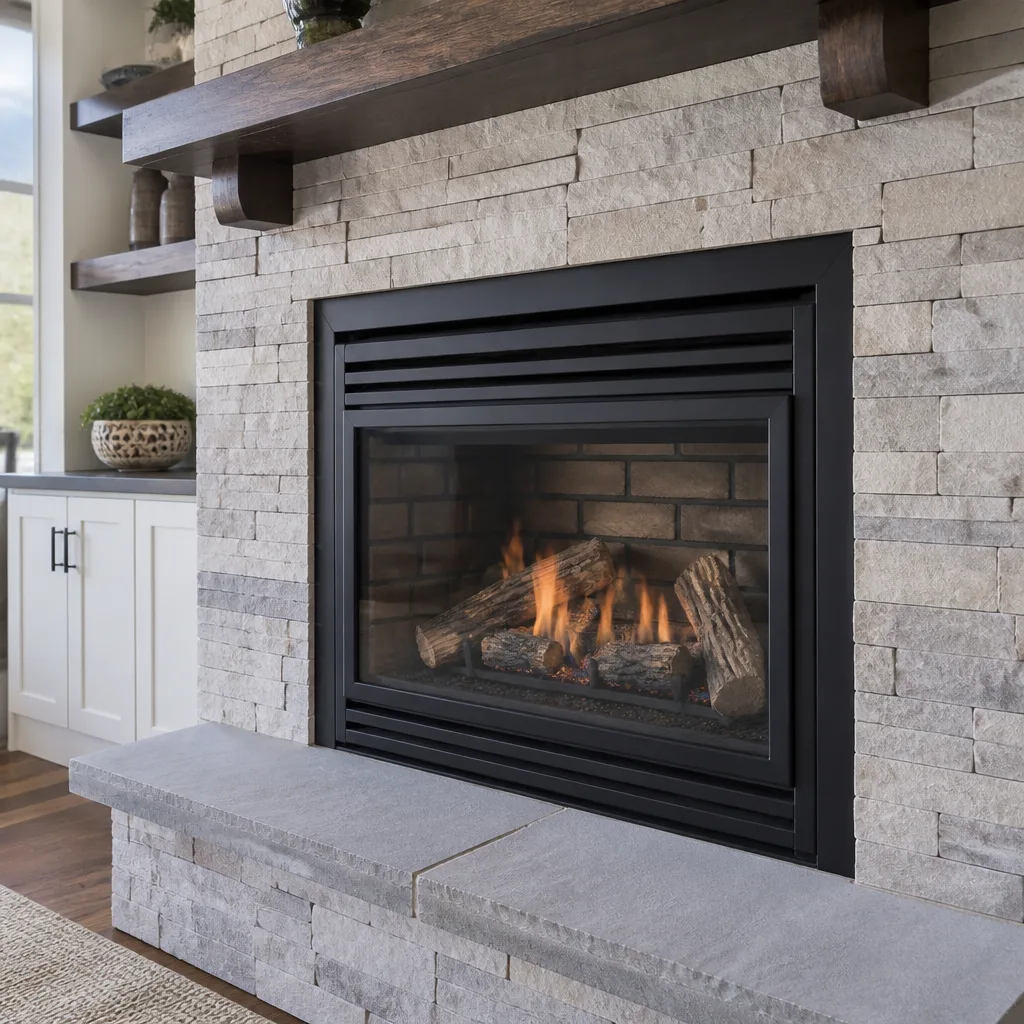 Gas fireplace service
Level 1 sweep and inspection to the NFPA 211 annual standard - flue, crown, cap, and flashing checked and photographed
Chimney sweep logs do not sweep chimneys. They loosen some creosote - which then falls where a brush and vacuum still have to collect it.
Chimney Cleaning Emergency Preparedness Guide for Chico Homes
Most chimney safety advice assumes the danger starts inside the firebox. In Chico, it often starts on the roof. During the Camp Fire, ember cast traveled miles ahead of the flame front, and an uncapped or damaged flue is an open funnel straight into a home’s interior. That single fact changes how chimney preparedness works here. You’re not only protecting against a chimney fire you cause. You’re also closing a pathway that a wildfire can use against you. This guide covers both: what to do during an active chimney fire, how to prep your flue before evacuation season, what heavy smoke exposure does to a liner, and why the gauge of a spark arrestor screen matters more in Chico than in most places.
Quick Answer
Chimney emergency preparedness in Chico means three things: knowing the exact steps to take during an active chimney fire, capping and screening your flue against ember intrusion before fire season, and having your liner assessed after heavy smoke events. A missing or damaged cap is the most common ember entry point, and a spark arrestor with the correct mesh gauge is the minimum defense. None of it works without a documented inspection first.
Styles & brands we work with
- Sweep & inspection
- Caps & crowns
- Flue relining
- Masonry repair
- Gas fireplace service
Table of Contents
- The Ember Intrusion Pathway: Your Chimney as a Wildfire Vector
- What to Do During an Active Chimney Fire
- Pre-Evacuation Season Checklist for Chico
- Post-Wildfire Smoke Events and Liner Integrity
- Spark Arrestors vs. Hardware-Store Caps
- What a Real Inspection Documents
- Repair Options When Something’s Wrong
The Ember Intrusion Pathway: Your Chimney as a Wildfire Vector
A chimney is a vertical opening in your roof assembly. That’s its function. It’s also, during a wildfire, a direct path from open air into the attic and living space. When ember cast lands on or near a home, the flue is one of the few places a burning ember can enter and stay sheltered long enough to ignite creosote, nesting material, or the structure itself.
Three conditions make a flue vulnerable:
- No cap at all. An open flue top is a straight shot down. Embers, sparks, and burning debris fall in freely.
- A damaged or loose cap. A cap that’s been bent by wind, pulled loose by an animal, or rusted through no longer blocks ember entry. It still looks like a cap from the ground.
- A cap with no screen, or a screen with wide openings. A solid cap with no spark arrestor mesh stops rain and animals but does nothing against fine ember cast.
In Chico, this matters because the wildland-urban interface wraps close to established neighborhoods. Ember transport doesn’t respect property lines or distance. Homes well inside town have burned from ember intrusion when the surrounding vegetation was dry and the wind was up. A properly fitted cap with an intact, correctly gauged spark arrestor is the cheapest, most direct defense you have against that pathway.
We see this constantly on inspections: caps that were installed decades ago, corroded at the seams, with screens that have rusted into lace. From the yard they pass. From the roof they don’t. That gap between appearance and condition is exactly why documented inspections exist. You can read more about how we approach the chimney sweep side of this work, but the point here is simple: the cap is a fire-defense component in Chico, not just a rain cover.
What to Do During an Active Chimney Fire
A chimney fire has a sound. It’s a low roar, sometimes a crackling like a distant train, often paired with a vibration you can feel through the wall. If you suspect one, act on the assumption it’s real. Chimney fires can burn hot enough to crack tile, warp a liner, or push flames into the framing before anyone sees smoke in the house.
Here is the sequence, in order:
- Call 911 first. Before anything else. A chimney fire can spread into the attic or roof structure within minutes, and the fire department needs to be en route while you take the next steps.
- Get everyone out of the house. Including pets. Do this even if the fire seems contained. Smoke and carbon monoxide move faster than people expect.
- Close the glass doors or stove door. If your fireplace has glass doors, shut them. If it’s a wood stove, latch the door. This starves the fire of the extra oxygen a wide opening feeds it.
- Do not open the damper. This is the single most common mistake. Opening the damper to “let it out” feeds the fire a rush of oxygen and can turn a contained chimney fire into a violent one. Leave the damper as it is.
- If you have a chimney fire extinguisher (a chimney bomb), use it per its label. These are designed to be dropped into the firebox and release extinguishing powder upward. They supplement the fire department, they don’t replace the call.
- Get clear of the house and wait for the fire department. Don’t go back in for belongings. Don’t climb on the roof to look. Wait.
After the fire department clears the scene, the chimney needs a professional inspection before it’s used again. A chimney fire can leave the flue structurally compromised in ways that aren’t visible from the firebox. Using it again without an assessment is how a small event becomes a second, worse one.
Pre-Evacuation Season Checklist for Chico
Chico’s fire risk calendar has a shape. Late spring through early fall is when the vegetation cures, the humidity drops, and the wind events arrive. That’s the window when ember intrusion risk is highest. Chimney prep should be done before that window opens, not during it.
Here’s what to verify, in order of priority:
- Cap integrity. Is there a cap? Is it attached at all four corners or the full perimeter? Is the top plate solid, or is it rusted through? A cap that moves when you push it from the roof is a cap that will come off in a wind event.
- Spark arrestor screen gauge. The screen should be intact with no holes, no sagging, and no sections missing. The mesh openings should be small enough to stop fine ember cast. A screen with openings wider than the standard is a screen that lets the wrong size particle through.
- Damper seal. With the damper closed, does it seal? A damper that hangs open or doesn’t seat is an open pathway even when you think it’s shut. It also lets conditioned air escape year-round and lets smoke back into the house on a downdraft.
- Visible flue condition from the top. A roof-level look at the flue tile tells you a lot. Cracked tile, missing mortar joints, or a flue that’s visibly out of round are all reasons to schedule a full inspection before fire season.
- Creosote accumulation. Even a chimney you haven’t used much this year can hold a layer of creosote from prior seasons. Creosote is the fuel a chimney fire burns. If it’s there in quantity, it needs to go before the next ember event.
This is the checklist we walk on a Chico property before burning season and before fire season, because they’re two different deadlines. Burning season prep is about creosote and draft. Fire season prep is about cap, screen, and seal. A single inspection can cover both if it’s done with both questions in mind.
Post-Wildfire Smoke Events and Liner Integrity
Heavy smoke exposure from a nearby fire doesn’t necessarily damage a liner the way a chimney fire does. But it does create conditions worth checking. Prolonged smoke and heat exposure can stress older flue tile, dry out and crack mortar joints, and accelerate deterioration in liners that were already marginal. The damage isn’t always dramatic. It’s often a hairline crack that wasn’t there before.
After a major smoke event near Chico, the questions to ask are:
- Did the chimney see sustained heat or direct flame contact at the top? An ember that landed in the flue and burned itself out is different from a fire that traveled down into creosote.
- Is there any new visible cracking at the crown, the cap, or the top course of flue tile?
- Has the draft changed? A liner that’s cracked or separated can change how the chimney draws, and you may notice smoke rolling into the room instead of up the flue.
- Is there any odor in the house that wasn’t there before? Smoke residue and creosote can both produce smell, and a crack in the flue can let either into the living space.
If any of those are true, the system should be assessed. A visual inspection from the firebox and the roof covers the accessible portions. A camera inspection covers what you can’t see, which is most of the flue. We document what we find with photos so you can see the condition yourself rather than taking our word for it. You can read about our chimney repair process if the inspection turns up something that needs fixing.
Spark Arrestors vs. Hardware-Store Caps
The cap on your chimney is doing at least three jobs: keeping rain out, keeping animals out, and keeping embers out. A hardware-store cap typically handles the first two. The third is where the difference shows.
The relevant standard is NFPA 211, which sets the mesh gauge for spark arrestor screens. The mesh needs to be fine enough to stop hot ember cast from passing through and coarse enough not to clog with soot and creosote quickly. A screen with openings that are too wide lets embers through. A screen with openings that are too fine clogs and chokes the draft. The correct gauge is a real specification, not a visual judgment.
Specification-grade caps and arrestors, like the ones we fit from Famco and Olympia Chimney, are built to that standard. They’re fitted to the flue, secured properly, and made from materials that hold up to weather and heat over time. A hardware-store cap is often a universal-fit unit held on with a few screws and a piece of strap. In a high-ember-load event, that difference isn’t cosmetic.
In our experience, the failure we see most often isn’t a cap that was never installed. It’s a cap that was installed years ago, has corroded at the seams, lost part of its screen, and is still nominally attached. It looks fine from the yard. It isn’t fine. A fitted cap from a brand with a documented specification gives you a known screen gauge and a known material, which is what you want when the question is whether an ember can get in.
What a Real Inspection Documents
An inspection that produces a verbal “looks good” isn’t documentation. Documentation means you have a record of what was checked, what was found, and what condition each component was in. That record matters for two reasons: you need it to know when to act, and you need it if you ever file an insurance claim related to a fire event.
A thorough inspection covers:
- The firebox, damper, and smoke chamber, checked for cracking, gaps, and creosote buildup.
- The full flue, assessed with a camera so the interior is actually seen, not assumed.
- The crown, cap, spark arrestor, and flashing at the roof line.
- The exterior of the chimney structure for separation, spalling, or water damage.
- A written summary with photos of anything flagged, and a clear statement of what needs attention now versus what can wait.
That last point is where a lot of homeowners get frustrated. They’re told they need thousands of dollars of work and given no way to verify it. We don’t recommend work without camera evidence you can see for yourself, and we say plainly when something can safely wait. That’s not a sales position. It’s how a trade should work. Our technicians have up to 8 years of experience, and the inspection findings are written down so you’re not relying on anyone’s memory.
Our Chimney Sweep Chico team handles sweeping, inspection, and repair as one integrated service, which means you don’t get a sweep report and then have to find a separate contractor to act on it. That gap is where problems sit unresolved for a season or two until they become bigger problems.
Repair Options When Something’s Wrong
The inspection found something. What happens next depends on what it is. Here are the main categories and how they’re typically addressed:
- Cracked flue tile, liner still structurally sound. HeatShield resurfacing can restore the interior of a clay flue without a full tear-out. It’s a repair option many general sweeps can’t offer because it requires specific certification and materials. It extends the life of the existing liner system and keeps the original structure in place.
- Flue that’s offset, out of round, or too irregular for a rigid liner. A DuraFlex flexible liner system is the right fit here. It allows a correct, spec-compliant installation in configurations that a rigid liner can’t navigate. The right liner for your flue is the one that actually follows the flue, not one that’s forced into it.
- Damaged or missing cap and arrestor. A fitted cap from Gelco, Famco, or Olympia Chimney, matched to the flue dimensions and secured properly, with a spark arrestor screen at the correct gauge.
- Chimney structure damage, crown cracks, flashing failure. Repaired to manufacturer specifications, with materials from brands like Copperfield where appropriate, so there’s a documented material trail for your records.
Every repair we do is tied to a named product with a known specification. That’s the difference between a fix and a patch. A patch is something that gets you through a season. A specification-grade repair is something you can document and rely on.
For more on how we handle this side of the work, see our chimney repair page.
Common Mistakes to Avoid
- Opening the damper during a chimney fire. This is the one that turns a manageable fire into a dangerous one. Opening the damper feeds the fire a rush of oxygen and can send flames and heat into the structure. Close the glass doors or stove door and leave the damper alone.
- Assuming a cap is fine because it’s still there. A cap that’s corroded at the seams, has lost part of its screen, or is held on by one screw is not doing its job. In Chico, where ember cast is a real concern, that difference matters. Have the cap and screen checked from the roof, not the yard.
- Skipping the inspection because the fireplace “worked fine last year.” Draft and function don’t tell you about flue condition. A cracked tile or a thin liner can draw perfectly and still be a hazard. Inspection is the only way to know.
- Using the chimney after a wildfire smoke event without an assessment. Smoke and heat exposure can stress older flue components. If there was fire nearby and you’re unsure, get the system looked at before the next burn.
- Hiring a sweep who can only clean. A sweep who finds a problem and has no repair capability leaves you with a report and no path forward. Look for a provider who can sweep, inspect, and repair as one job.
- Treating a hardware-store cap as a spark arrestor. Most aren’t built to a spec gauge. If you’re in a high-ember-load area, the cap needs to be a fitted, spec-built arrestor, not a universal-fit rain cover.
- Ignoring the creosote layer because the fire burns well. Creosote is the fuel a chimney fire uses. A chimney can draft well with a heavy creosote load and still be primed for a fire the first time an ember lands in it.
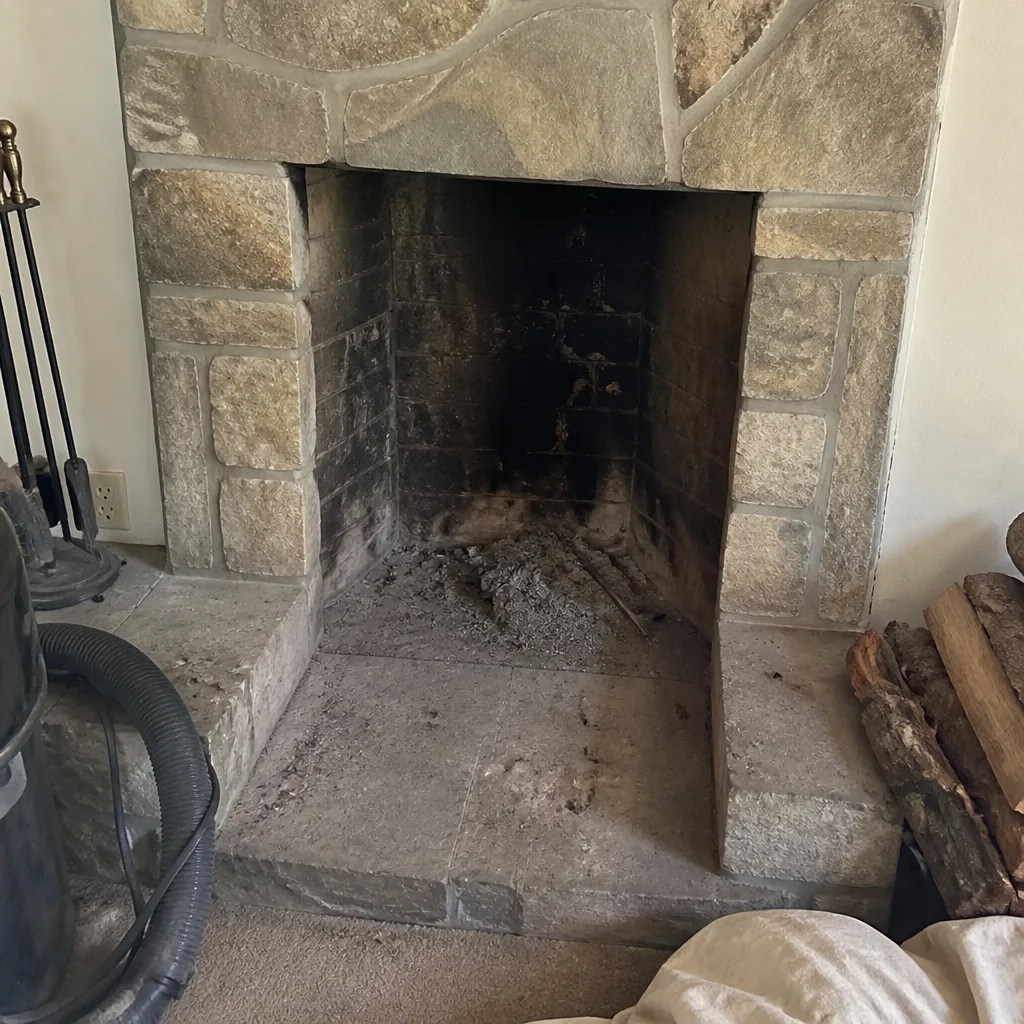
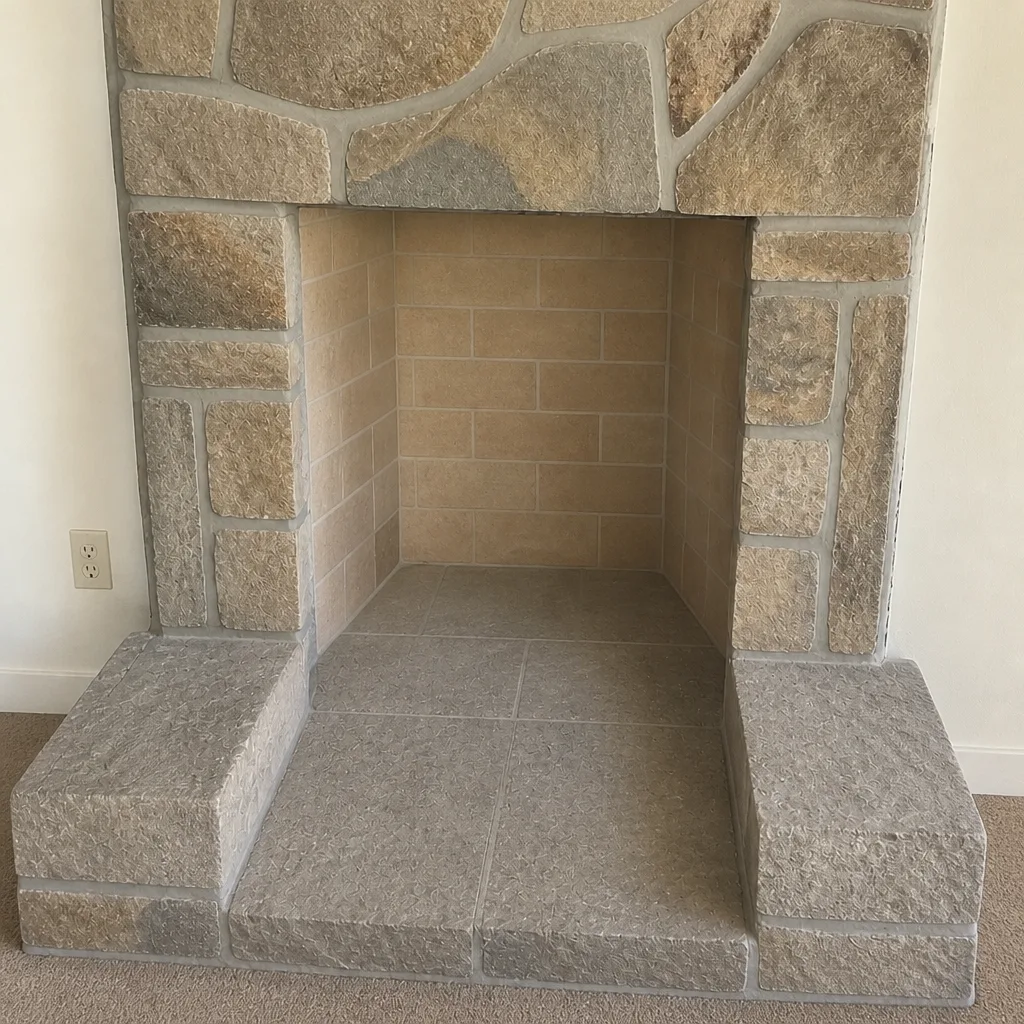
See the difference
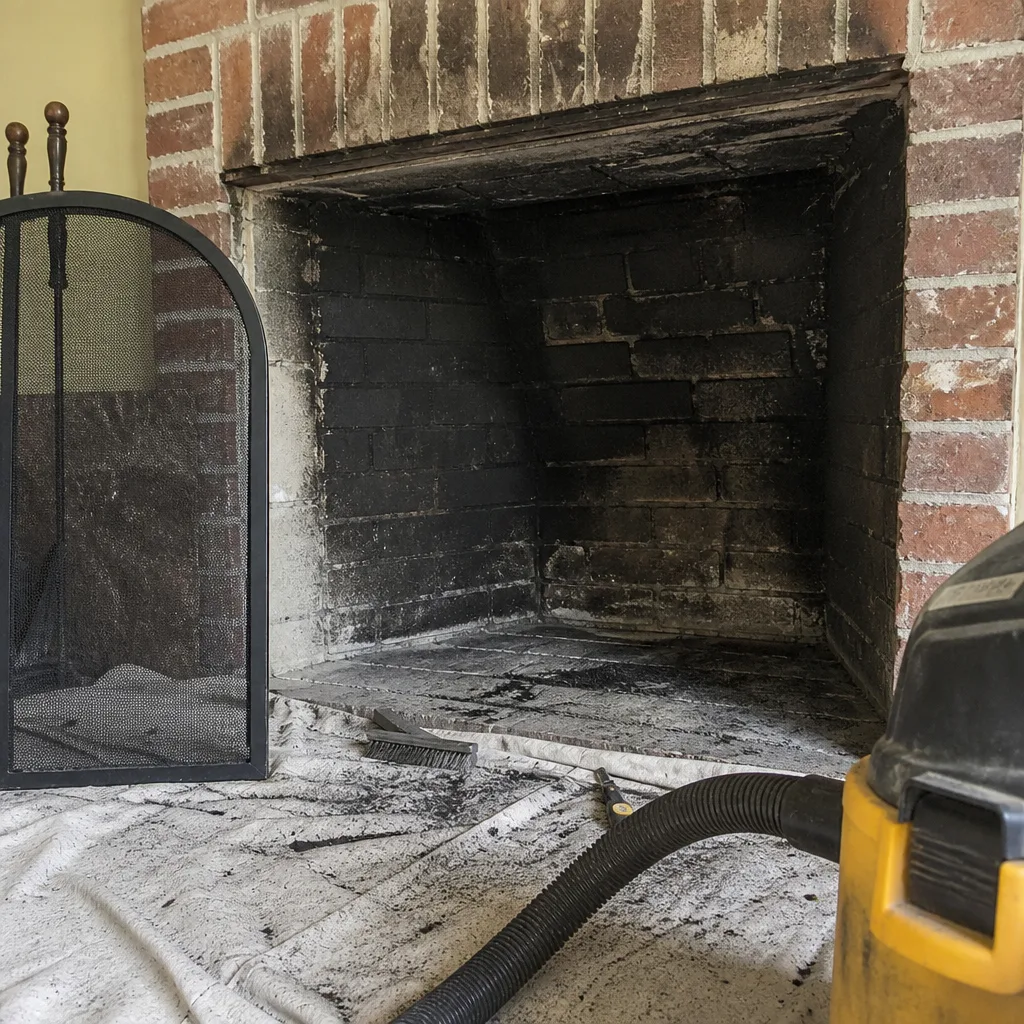 Before
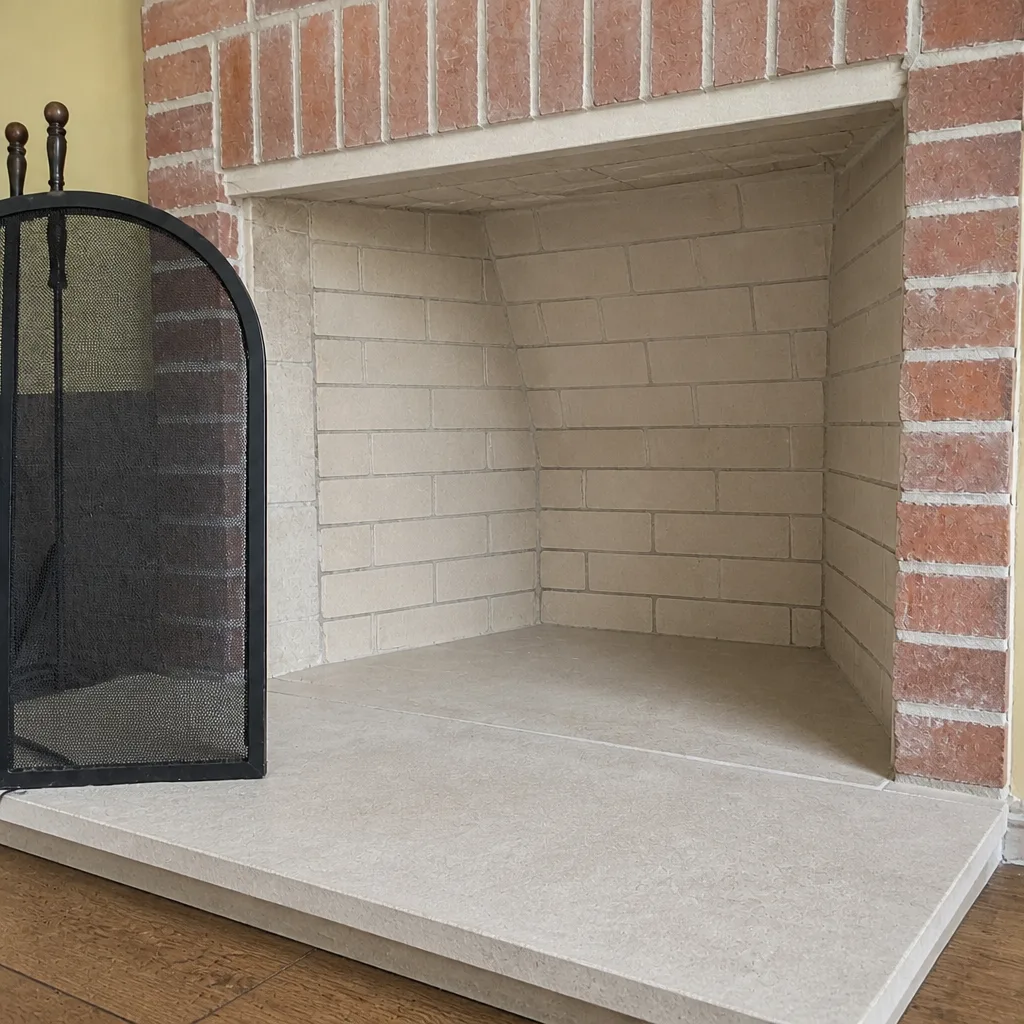 After
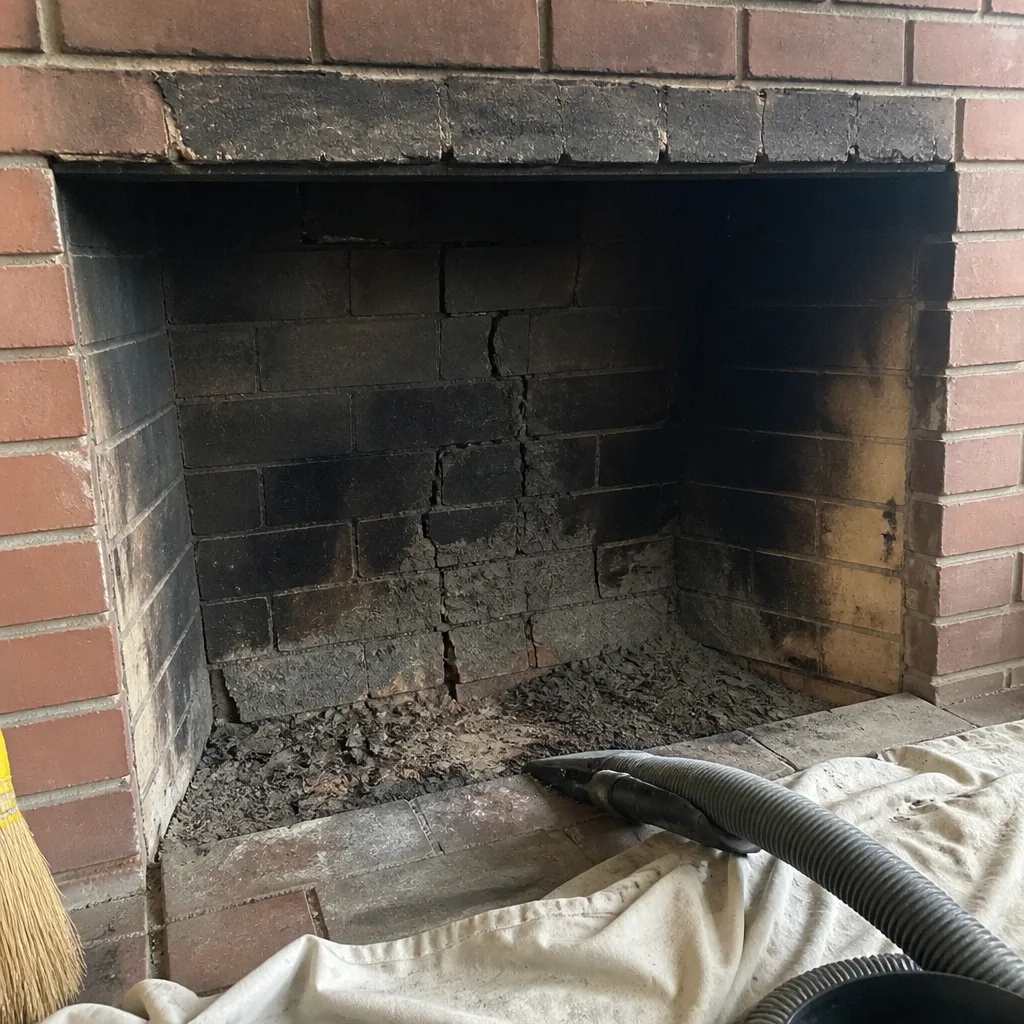 Before
 After
 Before
 After
When to Call a Professional
Some things you can check yourself. The condition of the cap from the roof, the presence of a screen, and whether the damper seals are all things you can look at without climbing into anything. But any of the following should send you to the phone:
- You’ve had a chimney fire, even a small one, and haven’t had the flue inspected since.
- A wildfire or heavy smoke event occurred near your property and you’re not sure the flue is intact.
- You see cracked flue tile, a damaged cap, or a loose screen from the ground or the roof.
- You’re heading into burning season and can’t remember the last time the chimney was swept.
- You smell smoke in the house when the fireplace isn’t in use.
Chimney Sweep Chico offers free estimates in Chico. Call (844) 320-4731. We answer 24/7. Fast dispatch from 7am to 7pm, Sunday through Friday.
Frequently Asked Questions
Call 911 and get everyone out of the house. Then close the glass doors or stove door to limit oxygen, and do not open the damper. Wait for the fire department, and don’t re-use the chimney until it’s been inspected. Call (844) 320-4731 for an exact quote on a post-fire inspection, estimates are free.
A standard chimney sweep in Chico is typically priced per job by a written estimate after we see the flue. The estimate is free, and the written estimate sets the final price. Call (844) 320-4731 to schedule and get an exact quote.
Yes. During a wildfire event, ember cast can travel well ahead of the flame front, and an open or damaged flue is a direct opening into the structure. A fitted cap with a correct spark arrestor screen is the minimum defense. If you’re not sure of your cap’s condition, have it checked before fire season. Call (844) 320-4731 for an inspection estimate.
Not always. Heavy smoke exposure doesn’t automatically mean replacement. What it means is that the system should be assessed. A camera inspection shows whether the flue tile is cracked, whether mortar joints are intact, and whether resurfacing or a flexible liner is appropriate. We show you the footage and tell you what we’d do if it were our own. Call (844) 320-4731 to book an assessment.
For a wood-burning fireplace or stove used regularly through the burning season, an annual sweep before the season starts is the standard. If you burn frequently or use unseasoned wood, more often. If you’re burning seasonally and cleanly, annual is usually right. Call (844) 320-4731 for a free estimate on a sweep.
Creosote builds up, and creosote is the fuel a chimney fire burns. A cracked liner can let smoke and carbon monoxide into the house. A damaged cap lets embers and water in. None of those announce themselves until there’s a problem. An inspection costs far less than the repair that follows a fire. Call (844) 320-4731 for a free estimate.
The Bottom Line
Chimney emergency preparedness in Chico has two halves. One is the active-fire response: call 911, get out, close the doors, don’t open the damper. The other is the preparation that makes the first half less likely to happen. That means a fitted, spec-built cap with an intact spark arrestor screen before fire season; a documented inspection that covers the flue from firebox to cap; and an assessment after any nearby fire or heavy smoke event. The cap is the ember pathway. Close it, maintain it, and know what condition it’s in. Everything else follows from there.
Written by the team at Chimney Sweep Chico.