
Last updated November 16, 2026
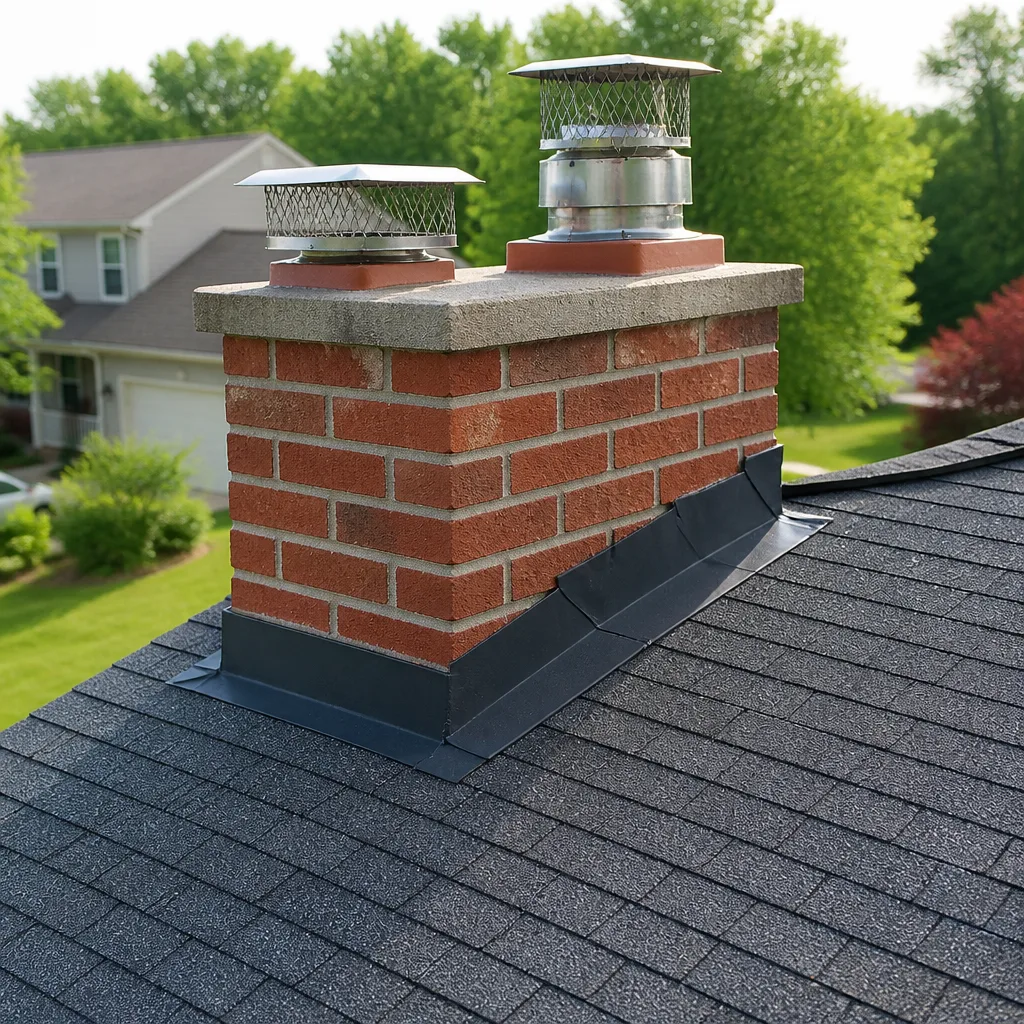 Sweep & inspection
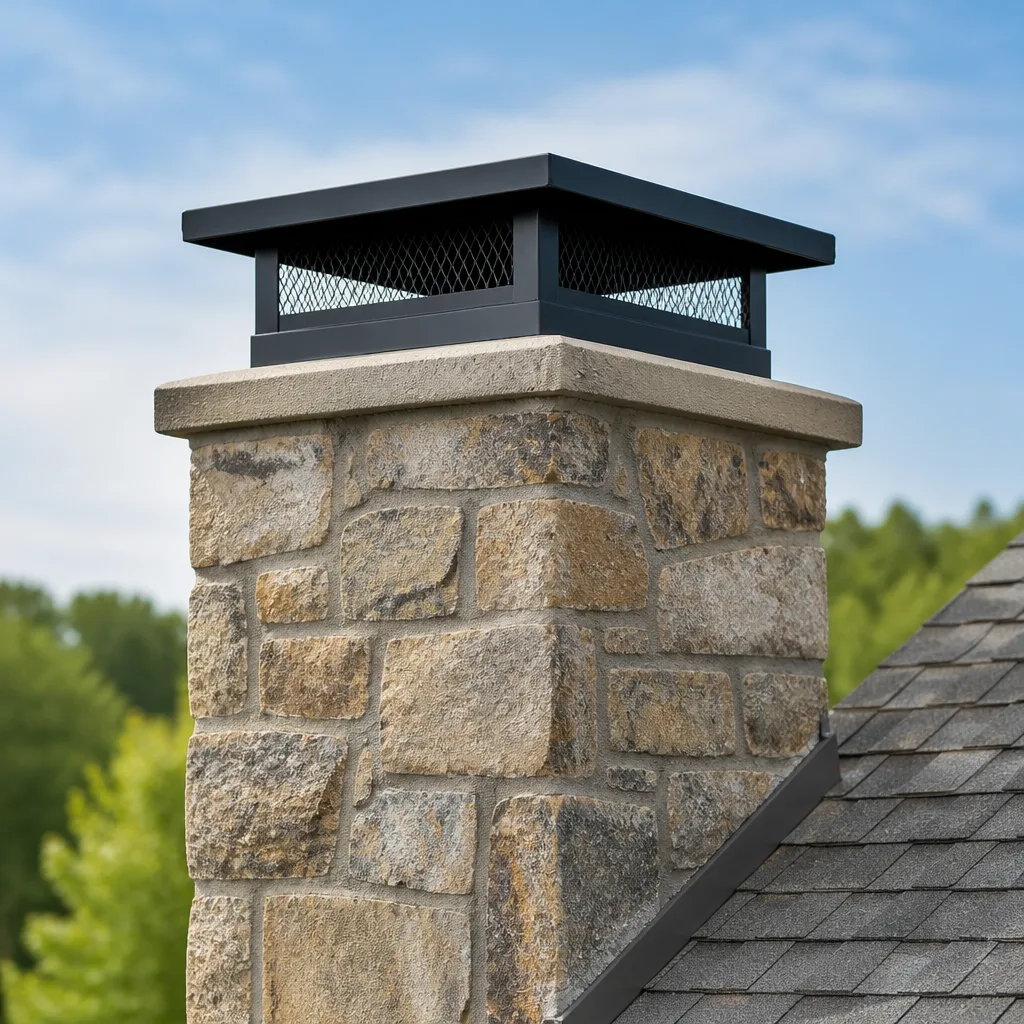 Caps & crowns
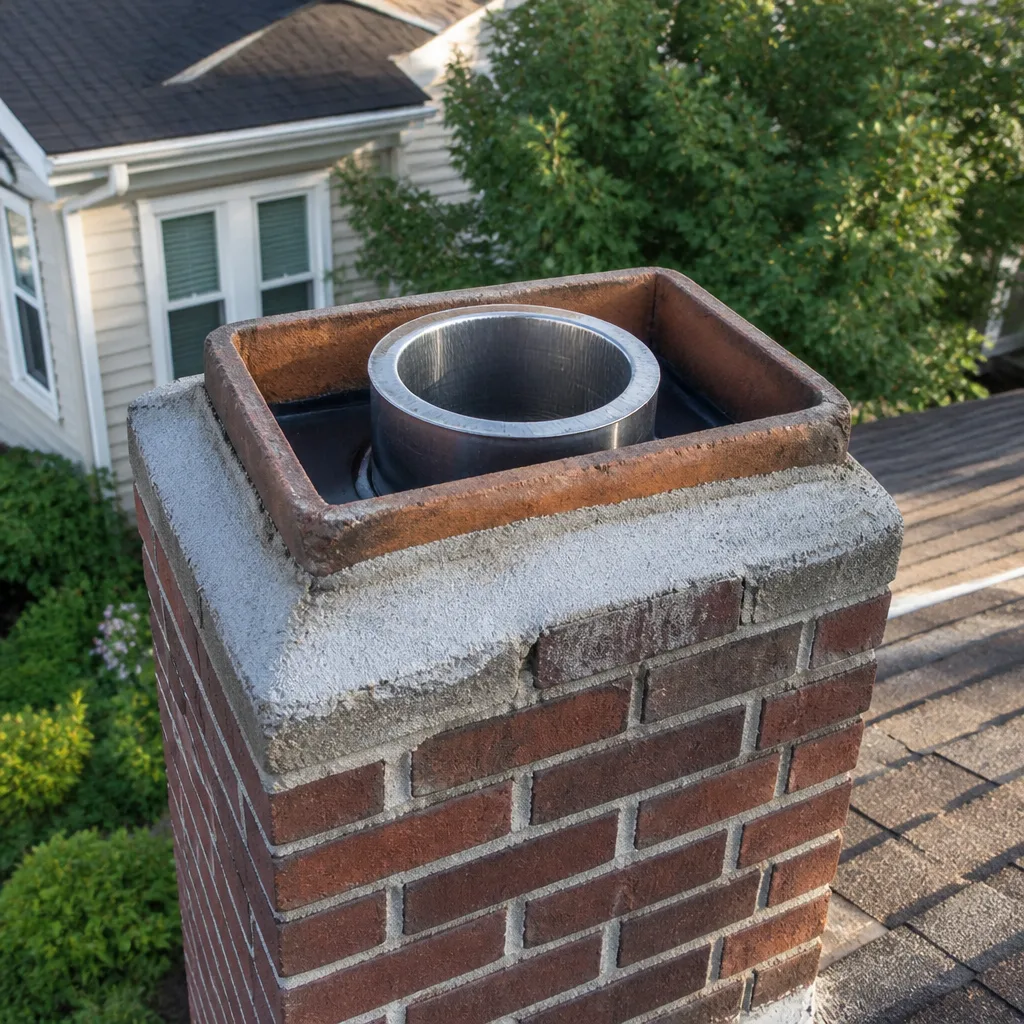 Flue relining
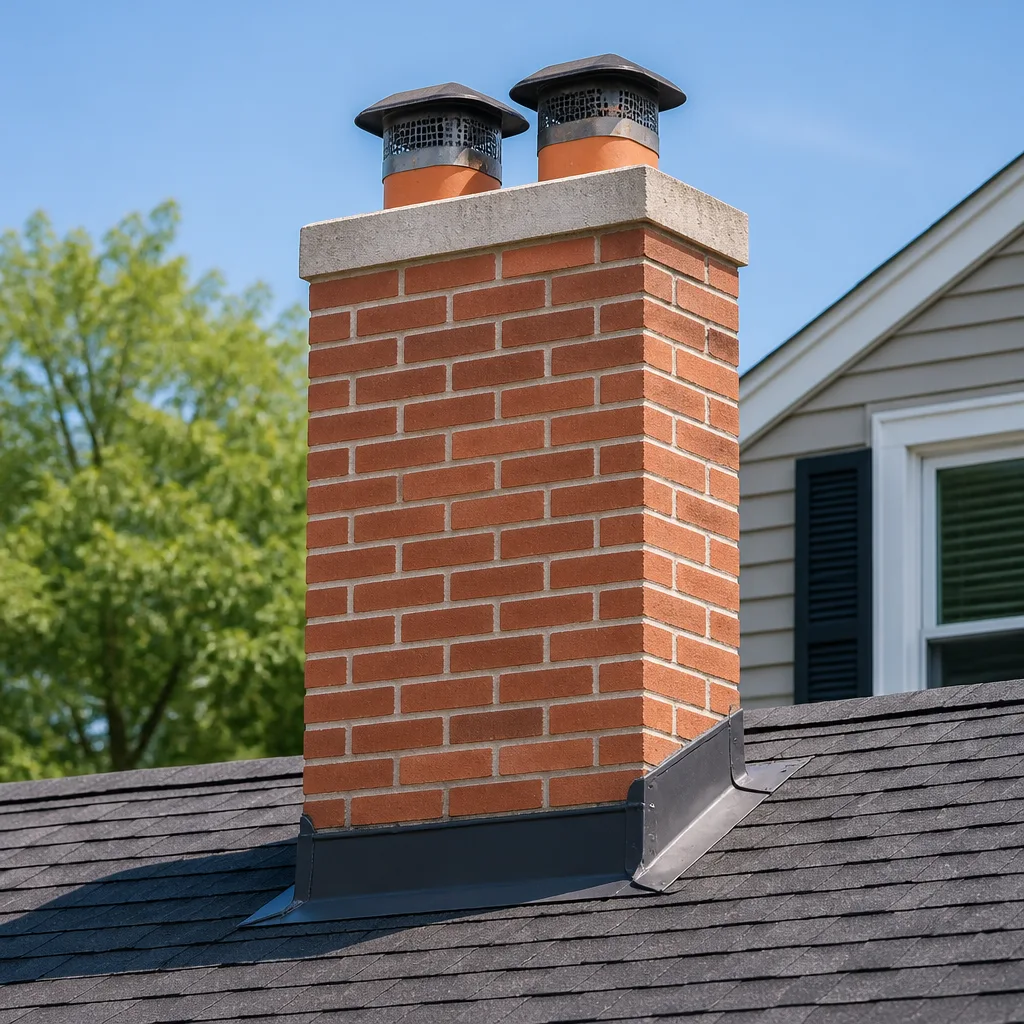 Masonry repair
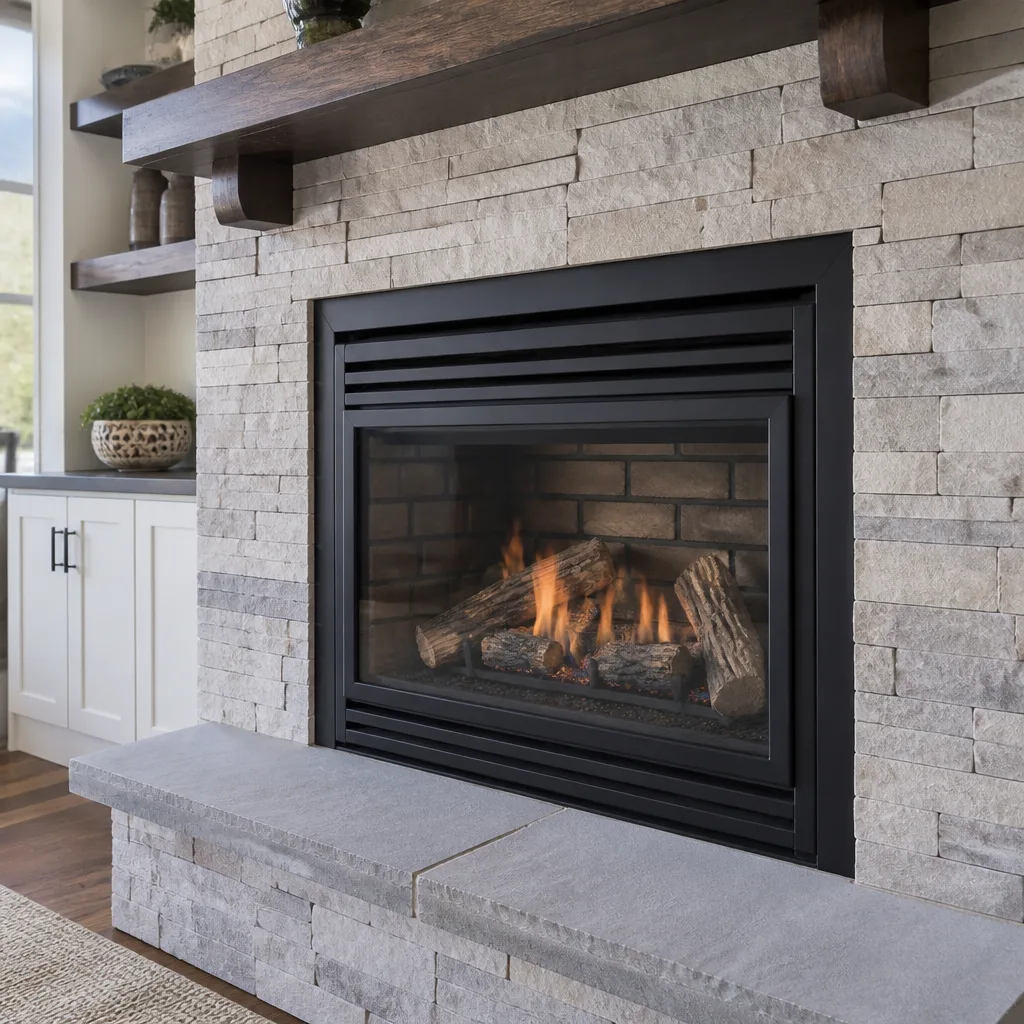 Gas fireplace service
Level 1 sweep and inspection to the NFPA 211 annual standard - flue, crown, cap, and flashing checked and photographed
Chimney sweep logs do not sweep chimneys. They loosen some creosote - which then falls where a brush and vacuum still have to collect it.
Chimney Cleaning Warning Signs: A Chico Homeowner’s Reference Guide
A white stain on your chimney’s exterior isn’t a cosmetic issue. It’s efflorescence, and it means water is already moving through your masonry from the inside out. Most warning sign guides stop at “you have smoke and smell.” That’s not enough to tell you what’s actually happening inside the flue, and it doesn’t tell you whether you can burn this week or need to stop today. This guide translates the specific visual and sensory cues you’re seeing in your Chico home into the mechanical problems they represent. By the end, you’ll know what each sign means, how urgent it is, and how to describe it clearly to a sweep.
Quick Answer
Chimney warning signs fall into three categories: exterior structural signs (efflorescence, spalling brick, cracked crown, rusted caps), interior firebox signs (glazed creosote, crumbling firebrick, warped damper), and sensory signs (odors and draft problems). The urgency depends on the category and severity: some warrant same-week service, some can wait until before your next fire, and some mean do not burn until the system is inspected. Glazed creosote, cracked flue tile, and blocked flues fall into the do-not-use group.
Styles & brands we work with
- Sweep & inspection
- Caps & crowns
- Flue relining
- Masonry repair
- Gas fireplace service
Table of Contents
- Exterior Warning Signs: What Your Chimney’s Outside Is Telling You
- Interior Warning Signs: Reading Your Firebox Before You Light Up
- Odor Diagnostics: Musty, Acrid, and Chemical Smells Explained
- Draft Problems: Why Backdrafting Hits Differently in Summer and Winter
- Urgency Levels: When to Call, When to Wait, When to Stop Burning
- Seasonal Timing for Chico Chimneys: Before the Burning Season
- What a Chimney Sweep Actually Checks
- Prevention: How to Keep Warning Signs From Returning
Exterior Warning Signs: What Your Chimney’s Outside Is Telling You
The outside of your chimney is a diagnostic surface. Every stain, crack, and rust streak has a mechanical cause, and most of them come back to water, heat, or both. When we walk up on a Chimney Sweep Chico inspection, what’s visible from the ground tells us what to look for once we’re on the roof.
Efflorescence: The White Stain That Means Water Is Moving
Efflorescence is a chalky white or gray stain on brick or mortar. It forms when water moving through masonry dissolves mineral salts and then evaporates at the surface, leaving the salts behind. Seeing it once might just mean a wet season. Seeing it repeatedly, or seeing it grow, means water is finding a path into your chimney’s interior. That water has to be coming from somewhere: a failed crown, a missing or damaged cap, deteriorating flashing where the chimney meets the roof, or unsealed mortar joints. In a Chico summer, the masonry dries out and the stains fade, which is why efflorescence often gets ignored until the next wet season brings it back bigger.
Spalling Brick: When the Brick Face Is Failing
Spalling is when a brick’s face flakes or pops off. It’s the second stage of the water problem efflorescence told you about. Water enters the brick, and when the moisture moves out again, it takes part of the brick’s surface with it. Once spalling starts, the brick’s structural capacity is compromised. Small flakes are a repair item. Popped faces on multiple courses mean the chimney’s exterior needs repointing or partial rebuild, not a cosmetic patch.
Cracked Crown and Rusted Caps: The Two Most Common Exterior Failures
The crown is the concrete cap at the top of the chimney that sheds water away from the flue. A crack in the crown directs water straight down into the masonry below. Rust streaks on the cap or the chase cover tell a different story: the metal is failing, and once it begins, water entry gets faster each season. Fitted cap and cover systems, such as Gelco and Copperfield, replace improvised sheet-metal covers with a product sized to the flue and sealed at the edges. A cap that fits is the cheapest repair on the entire chimney, and one of the highest return.
Interior Warning Signs: Reading Your Firebox Before You Light Up
Before you lay a fire, do a quick visual walk through the firebox. Most of the interior signs you can check yourself take under five minutes, and each one maps to a specific problem.
Glazed Creosote: The Sheen That Stops the Fire
Creosote forms in three stages. Stage 1 is powdery and brushes off easily. Stage 2 is flaky or crusty and needs more mechanical work. Stage 3 is glazed, shiny, and hard like varnish. If you’re looking at a black, glassy sheen on the flue walls, that’s Stage 3, and it’s the most dangerous form. Glazed creosote is the fuel for a chimney fire, and it also narrows the flue, which makes every subsequent fire draft worse. If you see the sheen, stop burning until a sweep has cleaned the flue and confirmed the interior is intact.
Deteriorating Firebrick and Missing Mortar Joints
Firebrick lining the firebox takes the direct heat of your fires. Cracks, crumbling edges, or missing mortar joints between the bricks mean heat is reaching the masonry behind them. Small hairline cracks in firebrick are normal. Cracks wider than the width of a coin, or bricks that move when you press them, are not. That’s a repair item before your next fire.
Warped Damper Plate and Smoke Shelf Problems
The damper is the metal plate above the firebox that opens and closes the flue. A damper that won’t open fully, that binds, that’s visibly warped, or that doesn’t seal shut means you’re either losing heat up the chimney when you don’t want to, or you can’t get the fire to draft properly. A warped plate usually follows one or more overheated fires. It’s not a DIY fix; damper replacement means working inside the smoke chamber, and it belongs in a professional repair.
The Savings-Code-No-Heat-Exchanger Check
If you have an insert or a wood stove rather than an open fireplace, the firebox check also includes the baffle and the top of the firebox. Cracks in the insert’s steel body or baffle are a do-not-burn condition. Take a photo of anything that looks off. It’s a lot easier to explain a crack to a technician with the picture in hand.
Odor Diagnostics: Musty, Acrid, and Chemical Smells Explained
A smell is data. The specific odor tells you which problem is present, and matching the odor to the cause is the fastest way to know whether you’re dealing with a cleaning job or a repair. In our experience across Chico homes, three smell families cover the majority of calls we get.
Musty or Damp Smell: Moisture or Animal Intrusion
A musty smell points to moisture. It could be water coming down the flue from a failing cap, or it could be condensation in a flue that’s been sitting unused. A musty smell with scratching or a strong animal odor points to a bigger issue: birds, squirrels, or other animals have gotten into the flue. An open flue with no cap is an invitation. Fitted caps from Gelco or Famco close that opening properly. If you smell animal activity, don’t light a fire until the flue has been inspected and cleared; nesting material is combustible and a blocked flue will push smoke back into the house.
Acrid, Sharp, or Tar-Like Smell: Stage 2 Creosote
An acrid smell, sometimes described as sharp or tar-like, is the signature of Stage 2 creosote. It smells worse on warm, humid days because the creosote softens and off-gasses. It’s also often strongest in summer, when you haven’t had a fire in weeks. If the smell is coming from the firebox or the flue and it’s persistent, the creosote is building up and it’s time to schedule a cleaning.
Sulfur or Chemical Smell: Improper Fuel Burning
A sulfur or unusual chemical smell usually traces back to what you’re burning. Treated or painted wood, construction scraps, cardboard with plastic tape, and some manufactured fire logs can create odors that plain firewood doesn’t. The fix is simple: burn dry, seasoned wood. If the smell appears even with clean, dry fuel, the flue or the appliance needs inspection. Sometimes a smell from the flue is a sign the chimney isn’t drafting correctly, and it’s pulling combustion products into the living space. That’s a carbon monoxide concern, not an odor concern, and the system should be inspected before the next fire.
Draft Problems: Why Backdrafting Hits Differently in Summer and Winter
Draft is the movement of air up and out of the chimney. When draft is working, smoke rises. When it isn’t, smoke spills into the room. Homeowners often think draft problems are a winter issue, but in Chico they show up year-round for two different mechanical reasons.
Summer Backdrafting: When the Chimney Is Cooler Than the Air
A chimney drafts because the air inside the flue is warmer than the air outside. Warm air rises; cold air sinks. In a Chico summer, the air outside is hot, and the air inside the chimney is cooler. That temperature inversion pulls air down the flue instead of up. The result is a faint draft of house air or even outdoor air moving the wrong direction, and when you light the first fall fire, the cold flue pushes smoke into the room until it warms up. This is a mechanics problem, not a mechanical one: pre-warming the flue with a rolled newspaper held near the damper usually solves the first-light smoke on a cold start. If a summer draft problem persists all season, it’s more likely a blocked flue or a failed damper.
Winter Backdrafting: Pressure and Geometry
Winter backdrafting is caused by something different. In winter, the chimney is warmer than the outside air, so the basic draft direction is correct. If smoke still spills into the room, the cause is usually one of three things: negative pressure in the house (a range hood, a bathroom fan, or another appliance pulling air), a flue that’s too short or too narrow for the appliance, or a partial blockage in the flue. A backdraft that persists through a whole burning season is worth a professional inspection; it’s often a sign the flue box is undersized for the firebox it serves.
Draft Symptoms to Note Before You Call
- Does the smoke spill when you first light the fire, or throughout the burn?
- Does it happen on windy days more than calm ones?
- Does it happen when you run the kitchen fan or the dryer?
- Does it happen only with certain types of firewood?
- Is the fire hard to keep going, or does it burn fast and hot?
Any of these notes gives the technician a starting point that saves time and gets you a more precise answer.
Urgency Levels: When to Call, When to Wait, When to Stop Burning
Not every warning sign is an emergency. Sorting what you’re seeing into three tiers keeps you from burning a fire that puts your home at risk, and keeps you from paying for a same-week repair you didn’t actually need.
Tier 1: Do Not Burn Until Inspected
- Glazed (Stage 3) creosote visible on the flue walls
- Visible cracks or spalling in firebrick wider than a coin
- A blocked or partially blocked flue, including a nest or debris
- A missing or damaged damper that won’t seal
- Any sulfur or chemical smell that appears with every fire
- Smoke spilling into the room on every fire, not just the first light
Tier 2: Schedule Service Within the Week
- Efflorescence or spalling on exterior masonry after the last wet season
- A cracked crown or visible rust on the cap or chase cover
- An acrid odor that persists after a fire has fully cooled
- Noticeable draft problems that resolve with pre-warming but return
- Animals seen entering or exiting the flue
Tier 3: Schedule Before Your Next Burning Season
- Stage 1 or Stage 2 creosote that has accumulated over a season
- Efflorescence that faded after drying and hasn’t returned
- Hairline cracks in firebrick
- A missing cap that hasn’t yet caused water or animal damage
- General chimney cleaning that hasn’t been done in a season
Seasonal Timing for Chico Chimneys: Before the Burning Season
Chico runs hot and dry through the summer, with cool, damp winters. That climate pattern creates a specific chimney rhythm. Wood stoves and fireplaces sit unused from late spring through early fall, then start running again as the nights cool. Any homeowner who wants a clean, safe chimney should have it serviced in the pre-season window, before the first fire of the year.
Why Pre-Season Beats Mid-Season
Pre-season service has three practical advantages. First, you can actually see the flue before it’s coated in fresh soot from the year’s fires. Second, if an inspection turns up a repair item (cracked tile, a warped damper, a failing crown), the repair can happen before the burning season starts, when it’s not competing with every other homeowner who waits for cold weather. Third, a pre-season inspection is a documented baseline that you can put in your home’s records.
What the Chico Climate Contributes
Chico’s hot summers accelerate exterior masonry drying, which is good for efflorescence fade but bad for masking the underlying water problem. Damp winters drive water into any crack in the crown, flashing, or mortar joints. The pre-season timing catches both: the summer inspection sees the masonry’s worst water lines from the prior wet season, and it verifies the flue before it’s used again.
Planning Your Service Window
- Pick a date in late summer or early fall, before your first fire of the season.
- Book the sweep and inspection together; the sweep report is the basis for any repair work.
- If repair is needed, schedule it before your next fire, not after.
- Keep the written findings in your home maintenance file; they’re useful if you ever sell, or if your insurer needs documentation.
What a Chimney Sweep Actually Checks
A chimney sweep isn’t just a cleaning service. A professional sweep is looking at the chimney as a system and writing down what’s found. Understanding what’s in a typical report helps you read the findings and know which recommendations tie to real risk.
Cleaning and Inspection Are Two Different Jobs
Cleaning removes soot and creosote from the flue, the firebox, the smoke chamber, and the damper. Inspection is a diagnostic pass that checks the flue interior, the firebox, the smoke chamber, the exterior, the cap, and where needed the appliance. Both belong in a well-run service visit. A sweep report without a camera inspection of the flue interior is a cleaning record, not a structural assessment.
What a Solid Inspection Includes
- Visual check of the firebox and firebrick
- Check of the damper operation
- Camera inspection of the flue interior, looking for cracks, gaps, and creosote staging
- Exterior check of the crown, mortar joints, brick faces, and flashing
- Check of the cap and chase cover
- Draft and appliance check where applicable
Reading the Report
Findings should be specific. “Needs cleaning” and “flue has visible cracks in the second tile joint” are very different recommendations, and the more specific version is what you want. If a sweep recommends a liner replacement, ask what the liner is protecting and what the current line is reading on. A camera photo of the crack beats a verbal summary. When a repair is needed, the work should reference named brand products (Olympia Chimney and DuraFlex for liner systems, HeatShield for resurfacing, Famco for caps) so the repair has a documented material trail you can point to. See our chimney repair service for what that process looks like.
Prevention: How to Keep Warning Signs From Returning
Most chimney warning signs are preventable, and the fix usually costs less than the repair that follows if you don’t. A few habits carry most of the weight.
Burn Dry, Seasoned Wood
Green wood creates more creosote than dry wood. Season your firewood for at least a year in a dry, covered spot. Split it so the pieces dry through, and don’t burn painted, treated, or glued wood. The chemical smell category from earlier is usually a fuel problem, and it’s the easiest smell category to eliminate.
Keep the Cap and Crown in Shape
The cap and crown are the two highest-return maintenance items on the whole chimney. A fitted cap (from Gelco or Famco) stops water entry and animal entry in the same move. A cracked crown directs water into the masonry and should be repaired as soon as it’s noticed. Neither of these is expensive relative to a rebuild.
Book a Pre-Season Cleaning and Inspection
The pre-season cleaning plus inspection is the single best protection against all the warning signs in this guide. A chimney sweep before the burning season, with a camera inspection report, catches what a homeowner can’t see from the outside and what a homeowner can’t clean from the firebox.
Document What’s Been Done
Keep a written record of every inspection, cleaning, and repair, with the date, the brand products used, and the finding that justified the repair. If a future sweep or an insurer asks about the chimney’s history, that file answers the question in one page.
Common Mistakes to Avoid
- Treating efflorescence as cosmetic. The white stain means water is inside the masonry. Repainting or sealing without fixing the water source makes the problem worse, not better.
- Burning after seeing glazed creosote. Stage 3 creosote is the fuel for a chimney fire. Every fire you burn after spotting the sheen adds more risk. Stop until it’s cleaned.
- Skipping a cap because the flue “looks fine.” An open flue is where animals and water enter. In a Chico summer, the damage is often done before anything is visible from the ground.
- Burning construction scrap and treated wood. The chemical smell is the least of the issues; the residues stick to the flue and can be difficult to remove. Stick to dry, seasoned firewood.
- Ignoring winter backdraft because summer backdraft was “just the cold flue.” They’re mechanically different. Summer backdraft warms out with a pre-fire; winter backdraft often means the flue box is undersized or partially blocked.
- Replacing a liner before checking if resurfacing is possible. HeatShield resurfacing can restore damaged flue tile in some cases where a full liner replacement is the more expensive option. Ask before you replace.
- Booking a sweep without an inspection. A cleaning alone doesn’t catch structural problems. A Chico homeowner needs both the cleaning and a camera inspection in the same visit.
See the difference
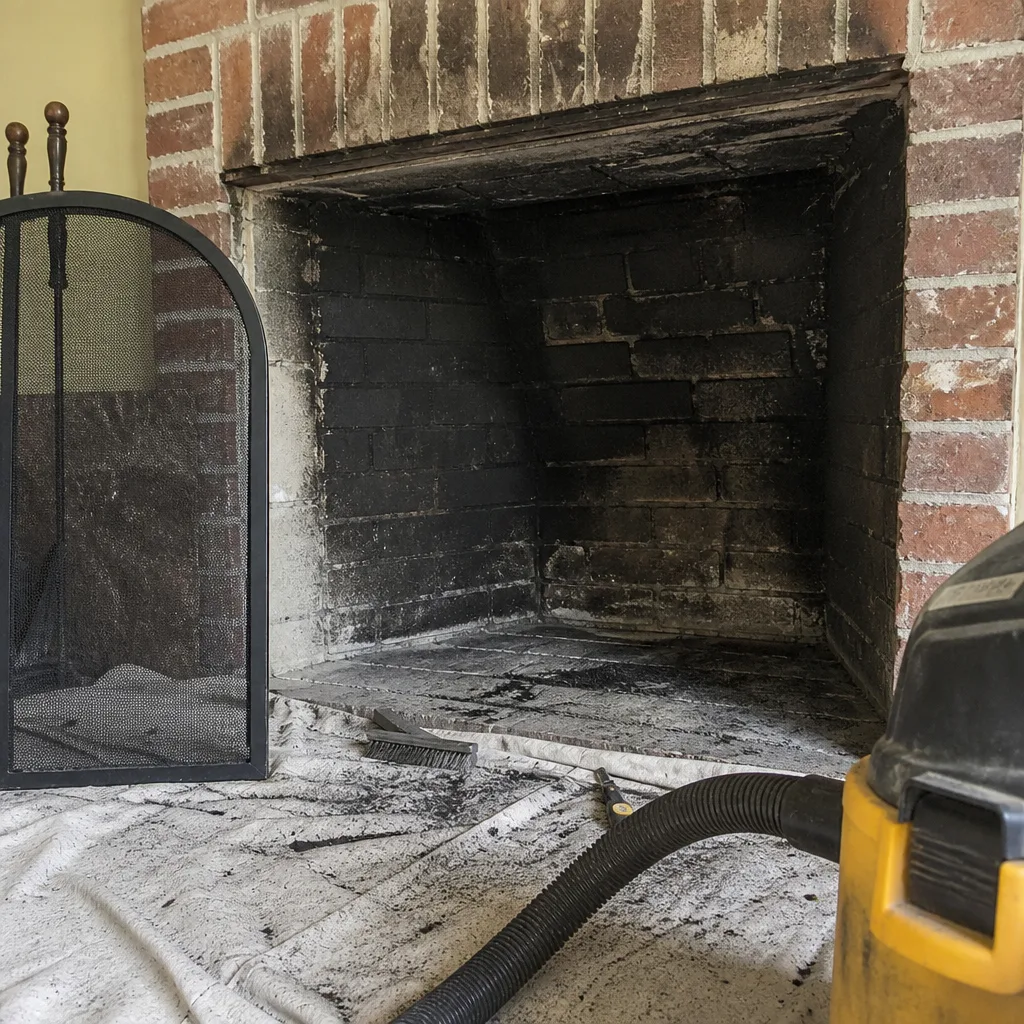 Before
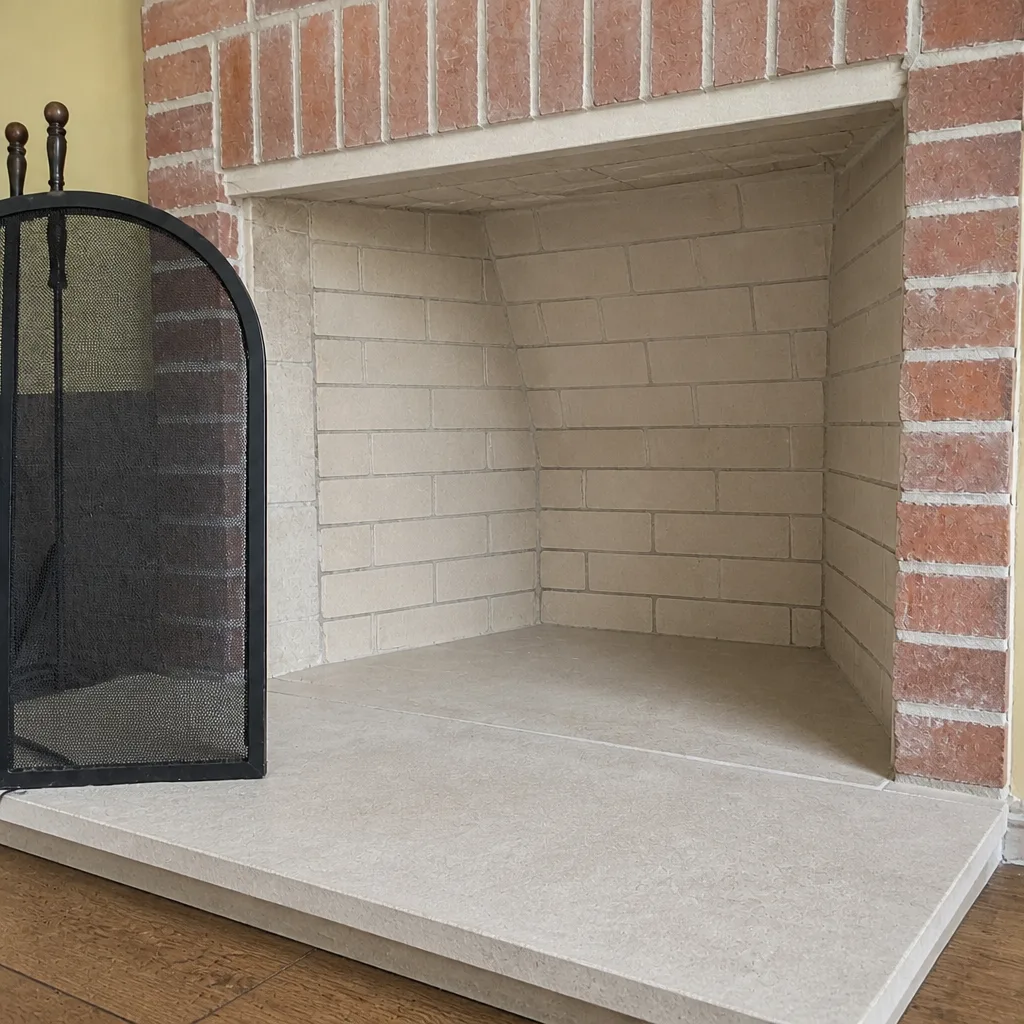 After
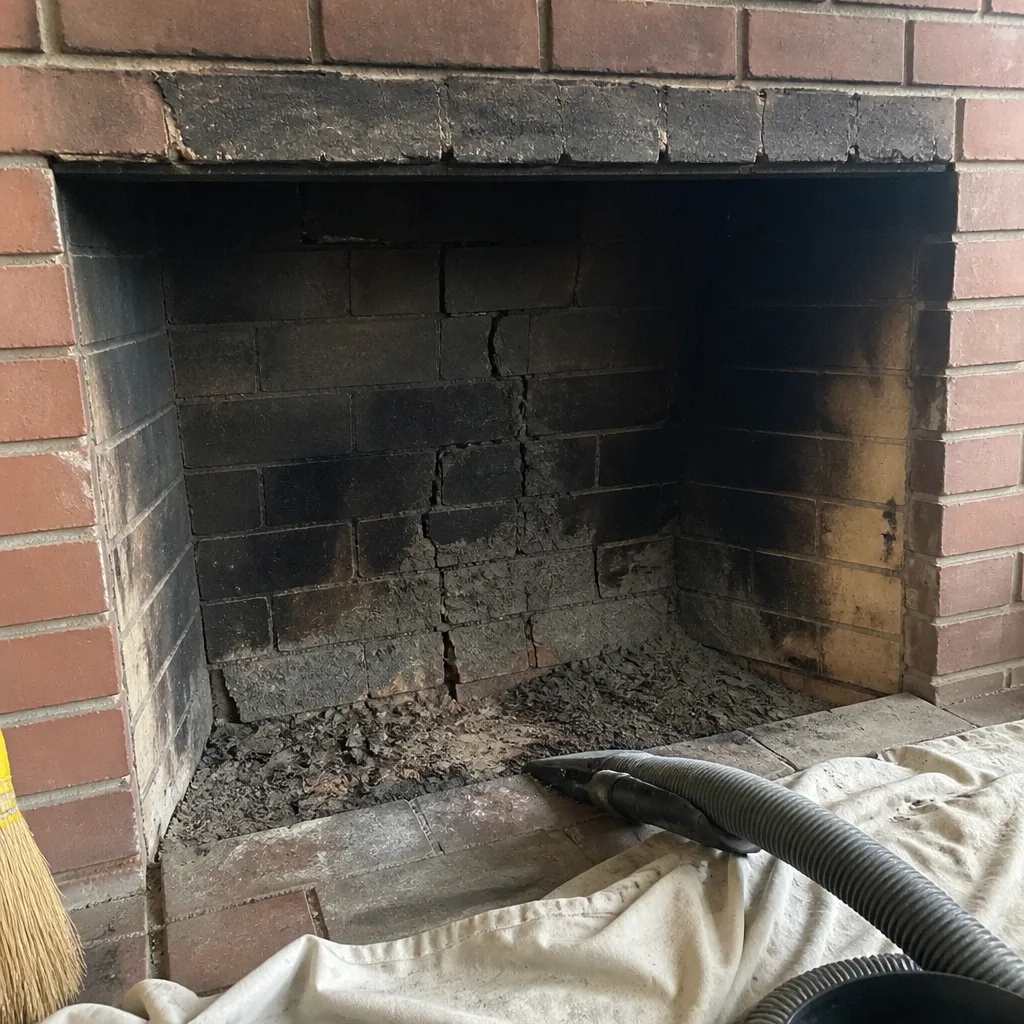 Before
 After
 Before
 After
When to Call a Professional
Call a professional if you spot any of these: glazed creosote on the flue walls, cracked or spalling firebrick wider than a coin, a visible crack in the flue tile, smoke that spills into the room on every fire, a sulfur or chemical smell that appears with every fire, an animal entering or exiting the flue, efflorescence or spalling on the masonry after a wet season, a cracked crown, or any draft problem that returns after pre-warming. A chimney fire is a straight call-your-fire-department event; after the fire department clears the scene, the system needs a professional inspection before it’s used again. Chimney Sweep Chico offers free estimates in Chico – call (844) 320-4731. We answer 24/7. Fast dispatch from 7am to 7pm, Sunday through Friday, closed Saturday.
Frequently Asked Questions
Glazed creosote is the most urgent sign because it’s the primary fuel for a chimney fire. If you see a black, glassy sheen on the flue walls, stop burning until a sweep has cleaned the flue and confirmed the interior is intact. Call (844) 320-4731 for an inspection; estimates are free.
In most cases, once a year before the burning season is the right rhythm for a homeowner who burns regularly. If you use the fireplace heavily through the winter, ask a technician at your pre-season inspection whether a mid-season cleaning is worth it. Call (844) 320-4731 for an exact quote – estimates are free.
No. Efflorescence means water is moving through the masonry, and the fix is usually a repair to the crown, cap, or flashing rather than a rebuild. A proper inspection traces the water to its source before anything is replaced. Call (844) 320-4731 to schedule the inspection; estimates are free.
This isn’t something we’d recommend for the flue or the smoke chamber. The dangerous part isn’t the brushing, it’s the flue interior inspection: cracks in the flue tile and glazed creosote aren’t visible from inside the firebox without a camera. The camera inspection in a professional sweep visit is what separates a cleaning record from a structural assessment. Call (844) 320-4731 for a combined sweep and inspection; estimates are free.
Warm, humid air softens creosote deposits on the flue walls and they off-gas more strongly, so a Stage 2 creosote smell that’s mild in winter can be obvious in summer. If the smell is persistent even after a fire has cooled, the flue needs cleaning. Call (844) 320-4731 to schedule; estimates are free.
Creosote is the buildup; a chimney fire is what happens when the creosote ignites. A chimney fire is an active emergency, and you should call the fire department. A creosote problem is a warning sign with time to act on it, but it becomes a fire risk if it’s ignored. Once a fire is out, the flue needs an inspection before it’s used again. Call (844) 320-4731 to book that inspection; estimates are free.
The Bottom Line
The warning signs on your chimney are specific, and each one maps to a mechanical cause. Efflorescence means water. Spalling means the water has done structural damage. Glazed creosote means the flue is a fire risk. A musty smell means moisture or animals; an acrid smell means Stage 2 creosote; a sulfur smell means the fuel or the draft is off. Summer and winter backdraft are different problems with different causes. Sort what you see into the three urgency tiers, then book a sweep and inspection before the burning season starts. Doing both together is the only way to catch what’s visible and what’s not. Book with Chimney Sweep Chico through our Chimney Sweep Chico homepage or call (844) 320-4731. We answer 24/7. Fast dispatch from 7am to 7pm, Sunday through Friday, closed Saturday.
Written by the team at Chimney Sweep Chico.