
Last updated November 16, 2026
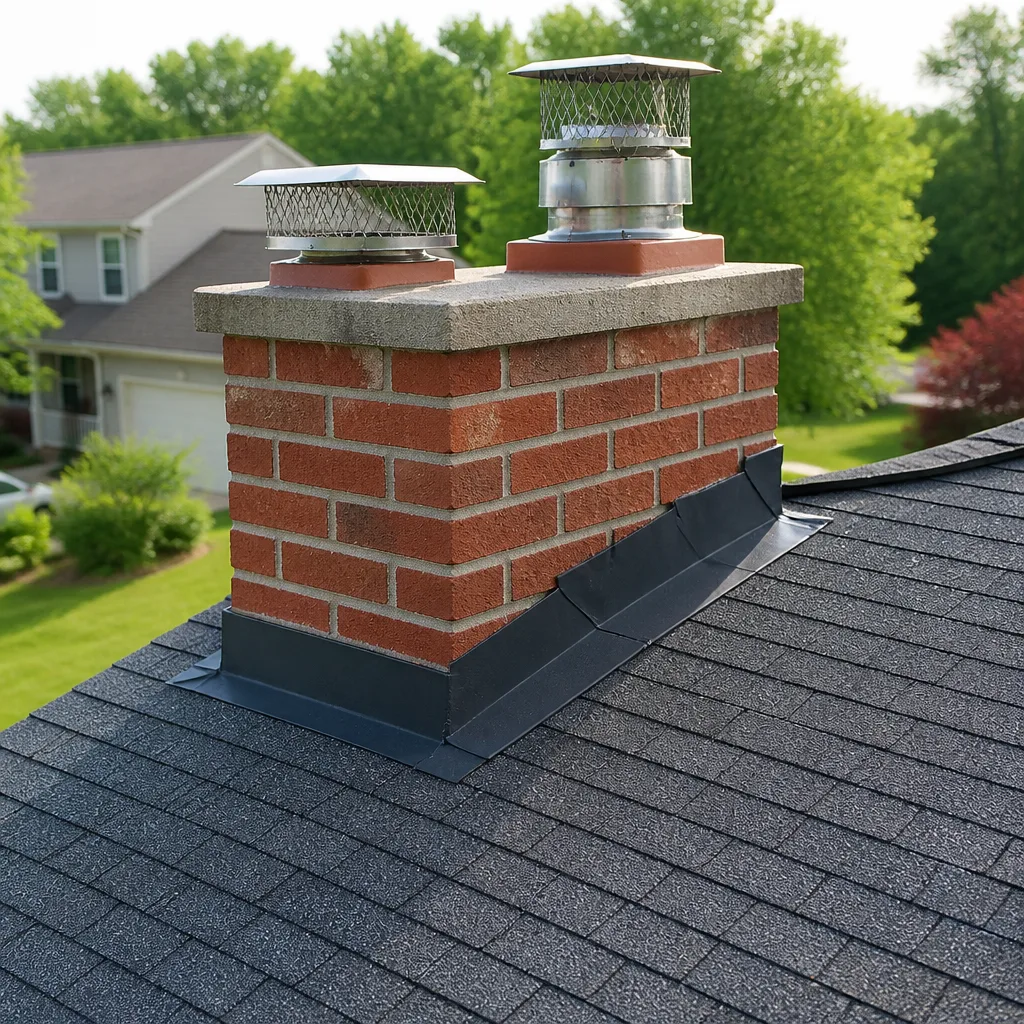 Sweep & inspection
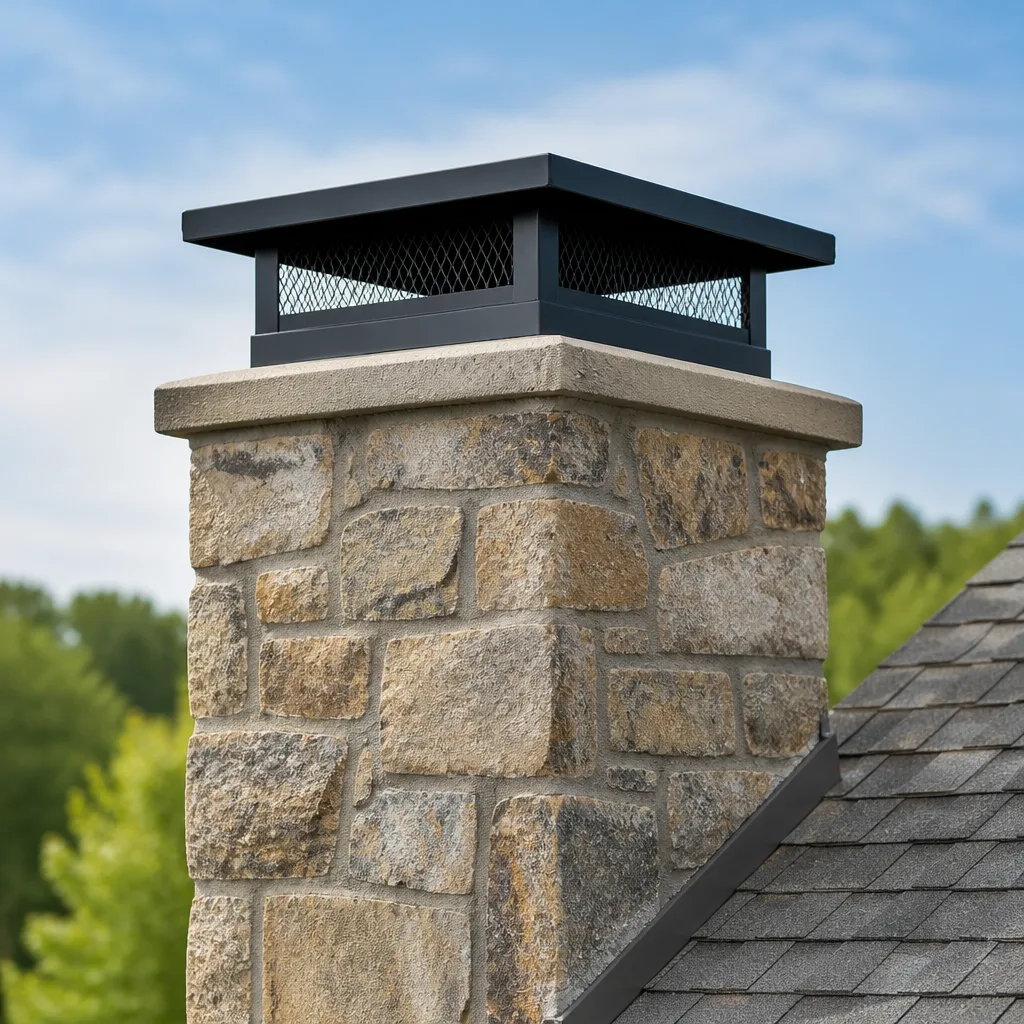 Caps & crowns
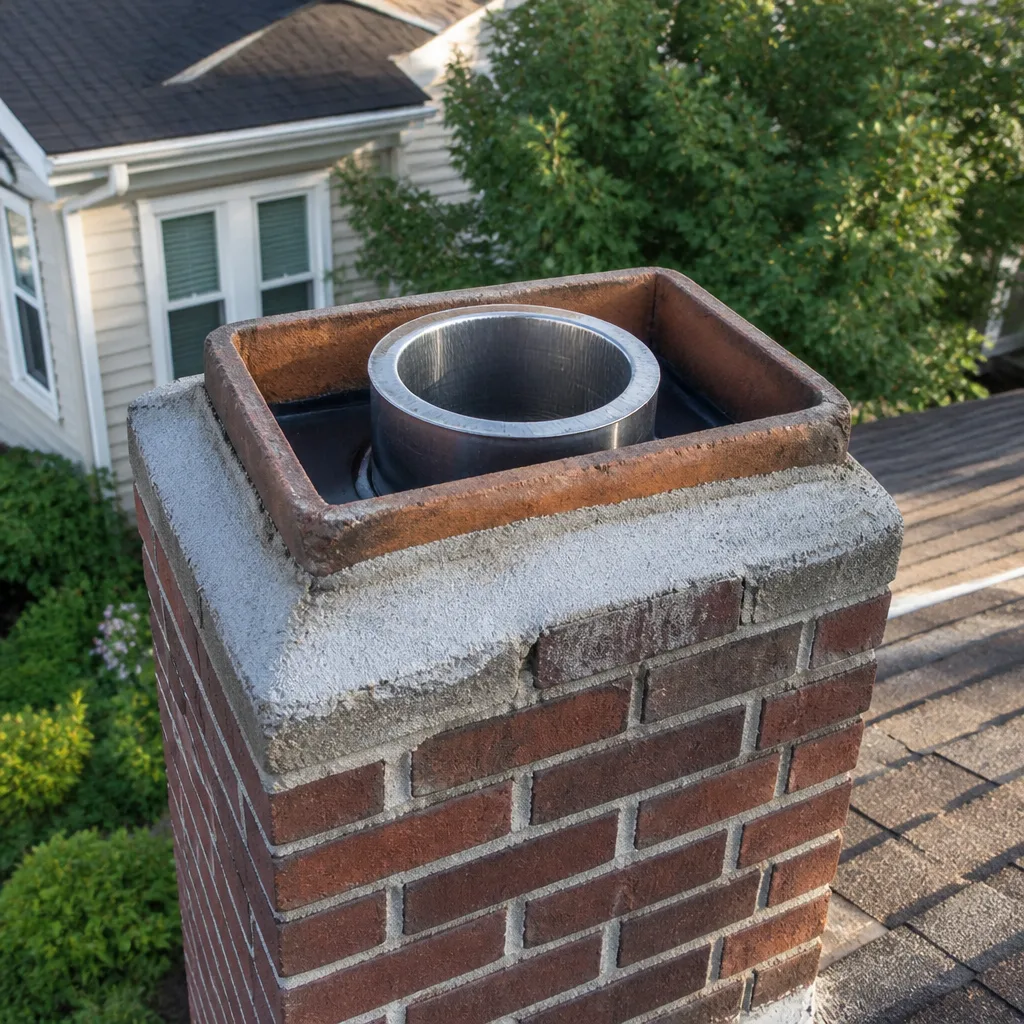 Flue relining
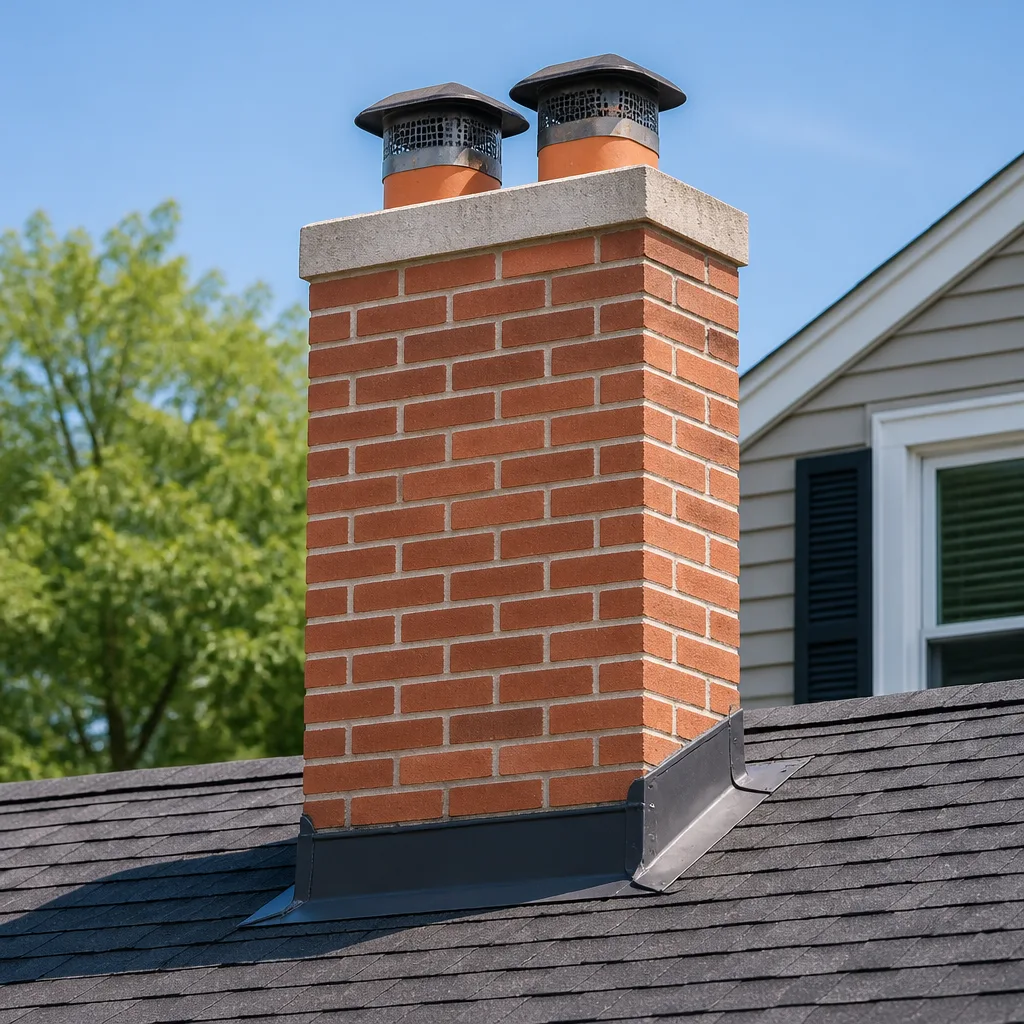 Masonry repair
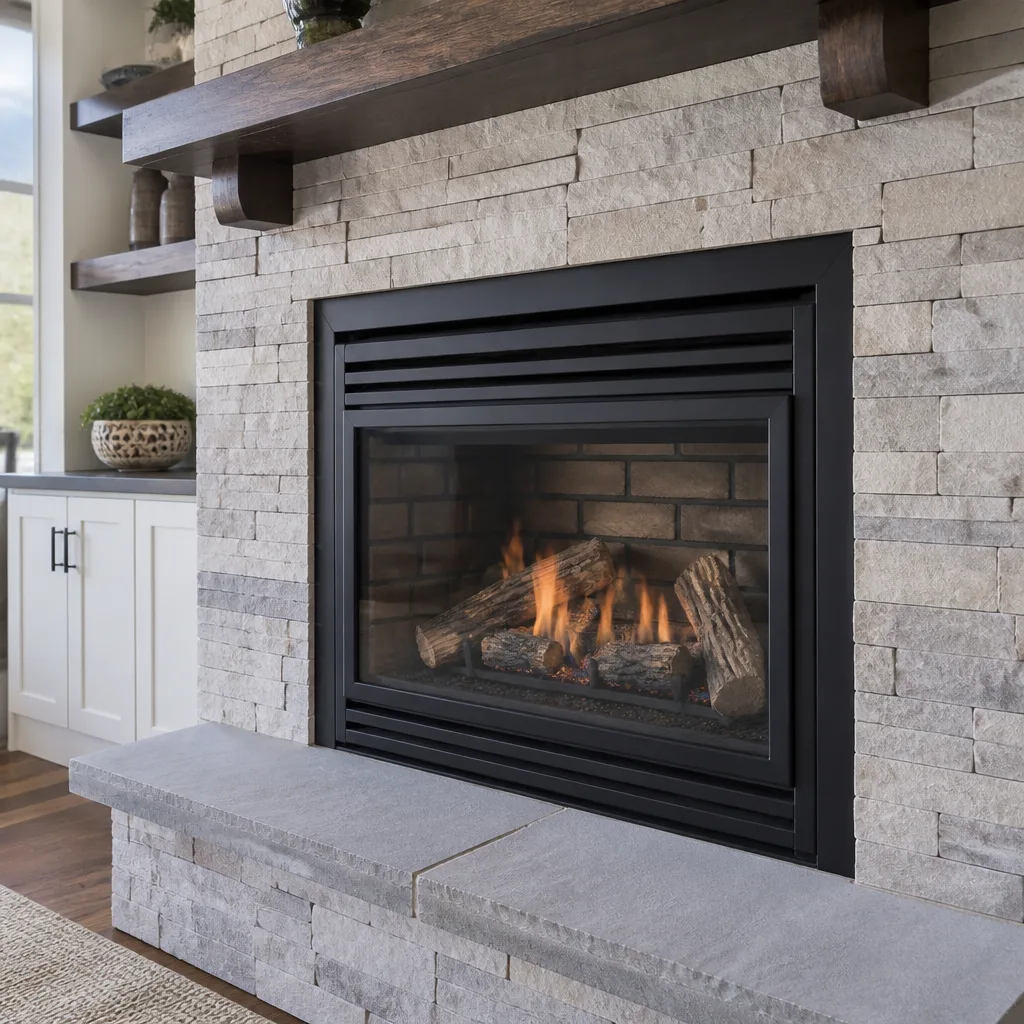 Gas fireplace service
Level 1 sweep and inspection to the NFPA 211 annual standard - flue, crown, cap, and flashing checked and photographed
Chimney sweep logs do not sweep chimneys. They loosen some creosote - which then falls where a brush and vacuum still have to collect it.
Chimney Sweep Maintenance Checklist for Chico Homeowners
The usual advice is to get your chimney swept once a year and forget about it until next fall. That misses half the work. In Chico, what you do in April to close out the burn season matters as much as what you do in October to open it. Spring winds here knock caps loose and pack debris into flues, summer heat bakes the crown and mortar, and dry valley grasses raise the stakes on every spark that leaves a chimney. This guide gives you a date-anchored, task-specific checklist built around the Chico calendar, so you know what to check each month, what to leave to a certified sweep, and how to keep a record that holds up when you file an insurance claim or sell your house.
Quick Answer
A Chico chimney maintenance checklist is a month-by-month routine: sweep and inspect at the end of the burning season in spring, check the cap and crown after Chico’s wind and heat events through summer, clear intrusive ash and debris before the dry spell in July and August, and open the season with a fresh sweep and documented inspection in October. Homeowners can self-verify cap condition, crown cracks, damper movement, and creosote buildup at the firebox. Creosote removal inside the flue, full structural inspection, and any repair work belong with a certified sweep.
Styles & brands we work with
- Sweep & inspection
- Caps & crowns
- Flue relining
- Masonry repair
- Gas fireplace service
Table of Contents
- Closing Out the Burn Season: April and May
- Summer Exterior Checks: Cap, Crown, and Chase
- The Dry Spell: Ash-Out Protocol for July and August
- Opening the Season: October Sweep and Inspection
- Winter Use: What to Watch While You Burn
- Interior Owner Checkpoints: Damper, Smoke Shelf, Firebox
- What You Can Self-Verify vs. What Needs a Certified Sweep
- Keeping a Maintenance Log for Insurance and Resale
Closing Out the Burn Season: April and May
The burning season in the Sacramento Valley tapers off around the time evening temperatures stop dipping. That’s your signal to close the chimney out properly rather than just stop lighting fires. A proper close-out does three things: removes the creosote that built up over the winter while it’s still soft-ish and easier to sweep, inspects the flue before it gets covered in summer dust and debris, and sets the chimney up so any spring wind damage is visible when you walk the yard.
Here’s the order we recommend for spring:
- Book your annual chimney sweep before the schedule fills. Spring fills faster than fall in most valley towns because people aren’t thinking about fireplaces. Getting in early means you’re not waiting in October.
- Sweep the firebox and vacuum the smoke shelf. A shop vac with a fine filter works. Don’t sweep cold ash out the front; take it out in a metal container and set it far from the house.
- Inspect the firebox walls for cracks and missing mortar joints. Hairline cracks that stay cool all summer can open up by fall.
- Check the damper operation. It should open fully and seat without wobble. Stiff dampers get worse with disuse, not better.
- Note the flue condition through the damper opening with a flashlight. You’re looking for heavy glaze, cracked tiles, or obvious nest material. Write down what you see, even if you’re not sure what it means.
- Walk the exterior. Look at the cap, the crown, and the mortar at the top of the stack. This is your baseline for the summer checks below.
The one thing we see skipped more than anything else in Chico is the close-out photo. Take pictures of the firebox, the damper, and the top of the chimney in spring. When you compare them in October, you’ll see changes you would have missed from memory alone.
Summer Exterior Checks: Cap, Crown, and Chase
Chico summers are hard on chimney tops. Heat cycles the mortar at the crown, and wind events (the kind that roll through in bursts through the spring and early summer) knock cap panels loose, twist bird guards, and send debris down the flue. Once a month from May through September, take five minutes and look up.
What to look at, top to bottom:
- The cap. It should sit flat, with no gaps around the base, no bent panels, and no visible wire mesh pulled loose. A cap that’s lost a screw or twisted in the wind can let birds and rain in even though it looks fine from the ground.
- The spark screen. Holes bigger than a quarter inch aren’t doing their job.
- The crown. That’s the concrete or mortar shoulder at the very top. Cracks, spalling (flaking off in small chips), or separation from the flue tile have to be addressed before rain and wind make them worse.
- The chase or stack. Look for missing mortar at the joints, efflorescence (white staining), or leaning. A single missing mortar joint is easy to fix. Six is a bigger job.
- The flashing at the roofline. Where the chimney meets the roof, flashing should sit tight. Lifted edges let water in behind the chase.
This is where using a fitted cap system pays off. A sheet-metal improvisation from the hardware store doesn’t have the same lifespan as a proper cap. We install Gelco and Copperfield cap systems for exactly this reason: they hold their shape, they seal at the base, and the screen is part of the assembly, not zip-tied on. A Chimney cap system that’s been fitted to manufacturer spec handles a Chico wind event the way an off-the-shelf lid doesn’t.
If you find damage in the summer, address it then. October is the wrong month to discover your crown needs work. Call (844) 320-4731. We answer 24/7. Fast dispatch from 7am to 7pm, Sunday through Friday.
The Dry Spell: Ash-Out Protocol for July and August
Chico sits at the edge of one of the driest wildland-urban interfaces in California. Your chimney is one of the few openings in your home that can throw embers onto dry grass, woodpiles, or a dry roof. The July-August ash-out protocol isn’t about fear; it’s about basic housekeeping that most national chimney guides don’t even mention because they’re written for wetter climates.
Here’s what to do before the hottest stretch of summer:
- Empty the ash pan or firebox completely. Cold ash sitting in the firebox through the dry season is a hazard only if a fire or wind event occurs; but it’s also the source of the dust and smell homeowners notice in late summer.
- Use a metal container with a tight lid. Never a cardboard box, never a plastic bucket. Store it well away from the house, deck, and any vegetation until you can dispose of it.
- Sweep the flue. Between a spring sweep and an October sweep, dust, cobwebs, and any nest material that’s blown in should be removed. We recommend booking a summer sweep if your chimney has been idle since spring and you live near open grass or oaks.
- Check the damper is fully closed. A damper that’s cracked open all summer pulls hot air up the flue and pushes your cooling bill up with it.
- Look at the ground around the chimney base. Ash, soot, or debris on the roof or ground under the cap indicates wind-blown material or an animal problem.
- Confirm the cap is sealed. September wind gusts are common here, and a loose cap combined with a dry roof is a bad combination.
The ash-out protocol also helps your firebox last. Fine ash left in place through a humid stretch absorbs moisture and can contribute to mortar breakdown at the firebox floor joints. Empty it, sweep it, leave the firebox dry.
Opening the Season: October Sweep and Inspection
This is the checklist item most Chico homeowners already know they should do. October is the right month: cool enough that you’re using the fireplace soon, dry enough that roof access is safe, and late enough that summer dust is fully settled. A fall open-out combines a sweep, a structural inspection, and a documented report before your first fire.
What a proper October service includes:
- A full chimney sweep of the flue, firebox, smoke shelf, and damper.
- A camera or visual inspection of the flue from top to bottom, with findings documented, not just verbal.
- Assessment of the liner: is it intact, is it properly sized, is there any glaze or separation?
- Exterior check of cap, crown, flashing, and mortar joints.
- A written summary of what was found, what’s fine, what needs attention, and what can safely wait.
If the liner has damaged tile but is otherwise structurally sound, resurfacing may be an option instead of full replacement. That’s where HeatShield comes in: it lets us restore a failing flue tile interior rather than tearing out and rebuilding. Not every sweep offers it. For offset or hard-to-reach flues, DuraFlex flexible liners let us make the correct fit where a rigid liner would be forced into an improper install or ruled out entirely.
The key discipline in October is: don’t authorize repairs the same day you get a report unless you’ve seen the evidence. A camera inspection should show you the flue interior. If a sweep tells you that you need a new liner, ask to see the footage. Anything else is a verbal claim, and you deserve better before you write a check.
Winter Use: What to Watch While You Burn
Once the season opens, your checklist shifts from inspection to observation. The fire you build tells you how the chimney is doing. A fire that’s hard to start, smokes into the room, or leaves dark stains near the firebox is giving you information you should act on before the next fire.
Watch for:
- Smoke rolling into the room when you open the damper or the door. That’s usually a draft or blockage issue, not a “cold chimney.”
- A weaker draft than last year. Blockages build gradually, so the change can be subtle.
- Creosote smell even when the fireplace is cold. That means buildup inside the flue that a sweep needs to address.
- Burning wood that hisses or sizzles. That’s moisture. Wet wood produces far more creosote than seasoned wood, and Chico’s dry storage conditions should let you avoid it if you plan ahead.
- Visible smoke from the top of the chimney for more than fifteen minutes after you stop adding wood. A faint wisp is normal in cold weather; a long, visible plume is a sign of incomplete combustion.
If you haven’t had a professional sweep mid-season and you burn every night, that’s the case for a mid-season sweep in January or February. It’s less common for occasional burners, but homes that use wood as meaningful heat should plan for it.
Interior Owner Checkpoints: Damper, Smoke Shelf, Firebox
You don’t need a sweep to check the interior of your stove or fireplace. You do need to know what you’re looking at. Here are the three checkpoints to look at once a month during the burn season, with a flashlight and no fire in the box.
Damper
Open and close it fully. It should move smoothly through its full range, seat flush when closed, and stay open without help. If it wobbles, sticks, or doesn’t seal, that’s a repair item. A damper that doesn’t close fully is costing you money year-round.
Smoke Shelf
Reach in with a light (fire out and cold, obviously) and look at the flat area just behind and above the damper. Ash and debris collect there. If you see heavy soot, paper, or nest material, sweep it out with a hand brush. If you see a lot of shiny, tar-like buildup on the smoke shelf, that’s glaze, and it means the flue itself needs professional attention.
Firebox
Look at the brick and mortar joints. Cracks wider than a hairline, missing mortar, or brick that’s spalling are all signs of heat damage that has to be repaired before the firebox gets worse. The firebox is the part of the chimney you can actually see, so it’s the part where problems show up first.
What You Can Self-Verify vs. What Needs a Certified Sweep
Knowing the line between owner checks and professional work is what keeps you from wasting money on unnecessary visits, and from missing something that matters. Here’s the split we use in our own work.
Homeowners can safely verify:
- Cap condition, from the ground with binoculars
- Crown cracks and spalling, from the ground or a safe roof vantage
- Mortar joints on the chimney stack, from outside
- Damper movement and seal
- Smoke shelf debris level
- Firebox brick and mortar joints
- Ash accumulation and ash-out timing
- Smoke behaviour during burns
- Whether your records are up to date
A certified sweep is required for:
- Removing creosote from inside the flue
- Inspecting the full flue length, especially the top third you can’t see from the firebox
- Evaluating the liner for cracks, gaps, or sizing issues
- Any repair: crown, mortar, firebox, cap replacement, liner work
- Determining whether the chimney is safe to use this season
What you shouldn’t do, ever, is reach into the flue, remove a damper to “look inside,” or swing onto the roof for a top-down look without training. Chimney tops are notoriously slippery and often higher than homeowners expect. Safety at the top of a chimney is a trained-professional task, and we mean that literally: the work kills people who improvise.
Keeping a Maintenance Log for Insurance and Resale
This is the checklist item that pays off years later. Every sweep, every inspection, every repair, and every photo belongs in one file. When your insurance company asks for proof that you maintained the chimney, when a buyer’s inspector flags the fireplace during a home sale in Butte County, or when you file a claim after a chimney fire, that folder is the difference between a smooth process and a stalled one.
What to keep:
- Every written inspection report, with the date and the name of the sweep who did the work.
- Every repair invoice, including the product brand used. We document what we install, which is part of why we tie every repair to named manufacturer specifications.
- Photos from each sweep, ideally with a before-and-after of the firebox and any repair area.
- The date of your last sweep, in a place you’ll actually check. We recommend a note in your phone with a reminder set for the same month every year.
- Manufacturer documentation for any cap or liner installed.
- A short one-line log entry every time you do your own monthly checks. Yes, every time. Even a “May check, cap looks good, crown fine” line tells a future inspector the chimney was maintained, not neglected.
The brand trail matters too. When the repair work references DuraFlex, HeatShield, Gelco, or Olympus system specs, you have a documented paper trail showing the repair was done to manufacturer standard, not improvised. That distinction matters to insurers, home inspectors, and buyers in Chico.
Common Mistakes to Avoid
- Skipping the spring close-out because “the season’s over.” Creosote and soot that sit through a Chico summer absorb moisture and harden, which makes the fall sweep harder and longer than it needs to be.
- Assuming the cap is fine because the chimney is standing. Wind events here twist and bend caps in ways you can’t see from the yard without a close look. Inspect it, don’t just glance at it.
- Burning in October without a documented fall inspection. A verbal “looks fine” from a neighbor or a quick look from yourself isn’t the same as a written report. You need the record.
- Authorizing a liner replacement without seeing the camera footage. You wouldn’t approve a roof replacement without seeing photos of the damage. Treat the flue the same way.
- Sweeping cold ash into a cardboard box and setting it by the back door. Ash can stay hot for days inside a pile. Metal container, away from the house, lid on.
- Using a hardware-store cap and calling it done. Caps sized to fit anything don’t seal at the base and often end up dropping into the flue or onto the roof in the first real wind event. A fitted Gelco or Copperfield system handles the weather the way it should.
- Letting last year’s photos live only on your phone. Back up the documentation folder somewhere off-device. Insurance claims do not wait for phone replacements.
See the difference
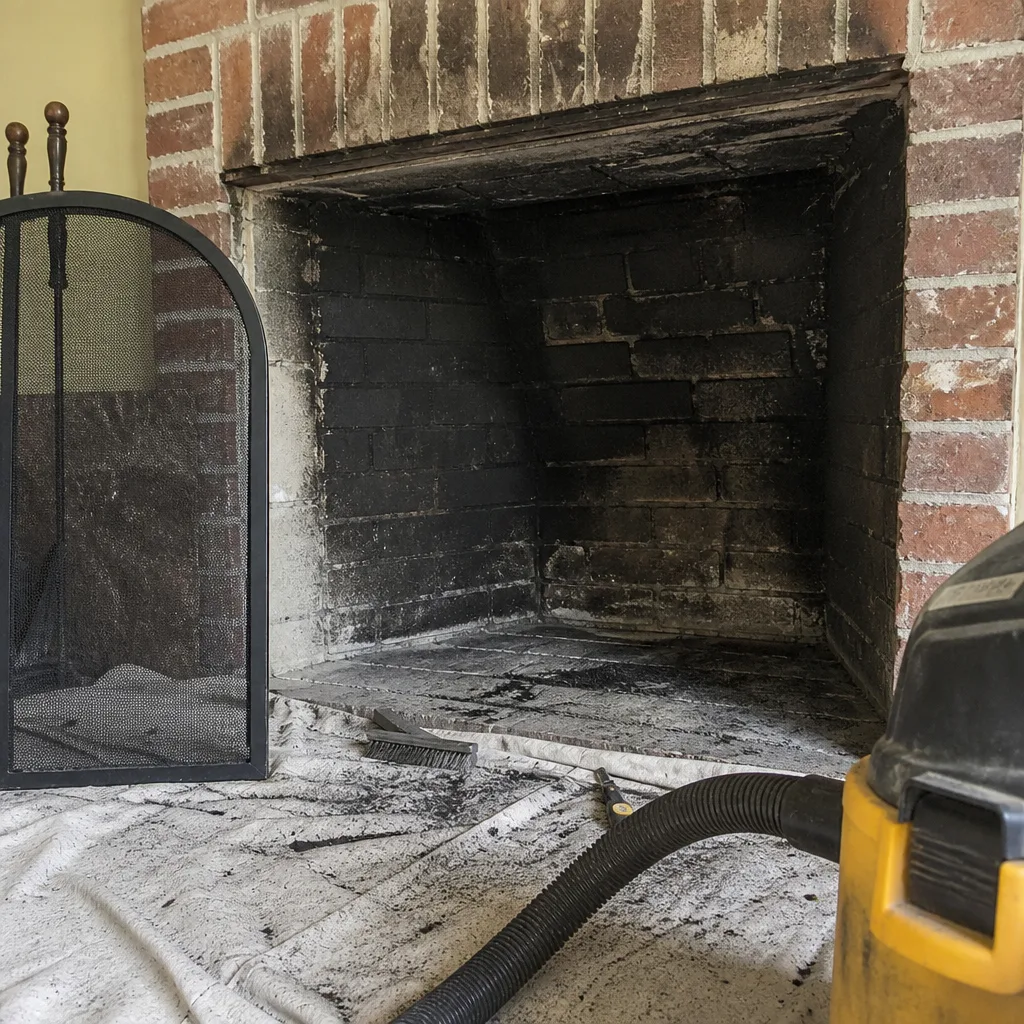 Before
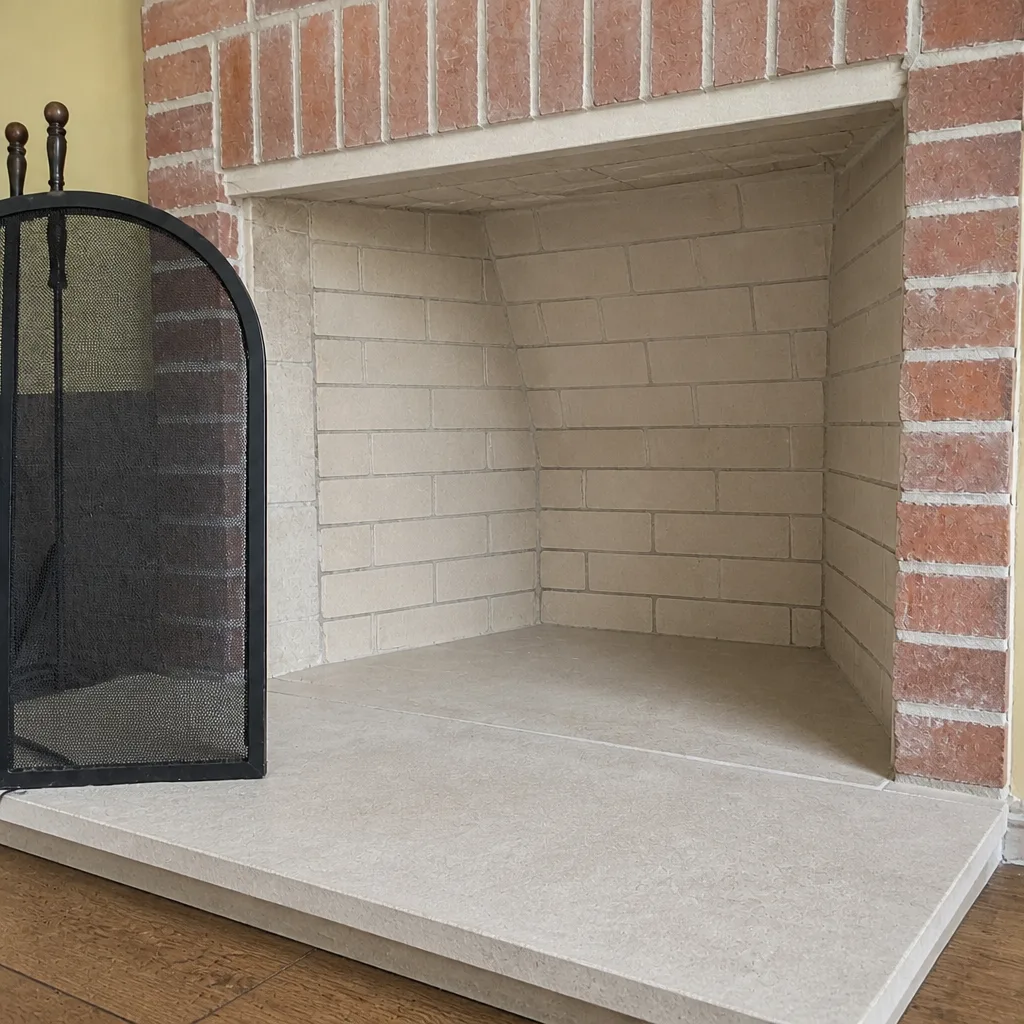 After
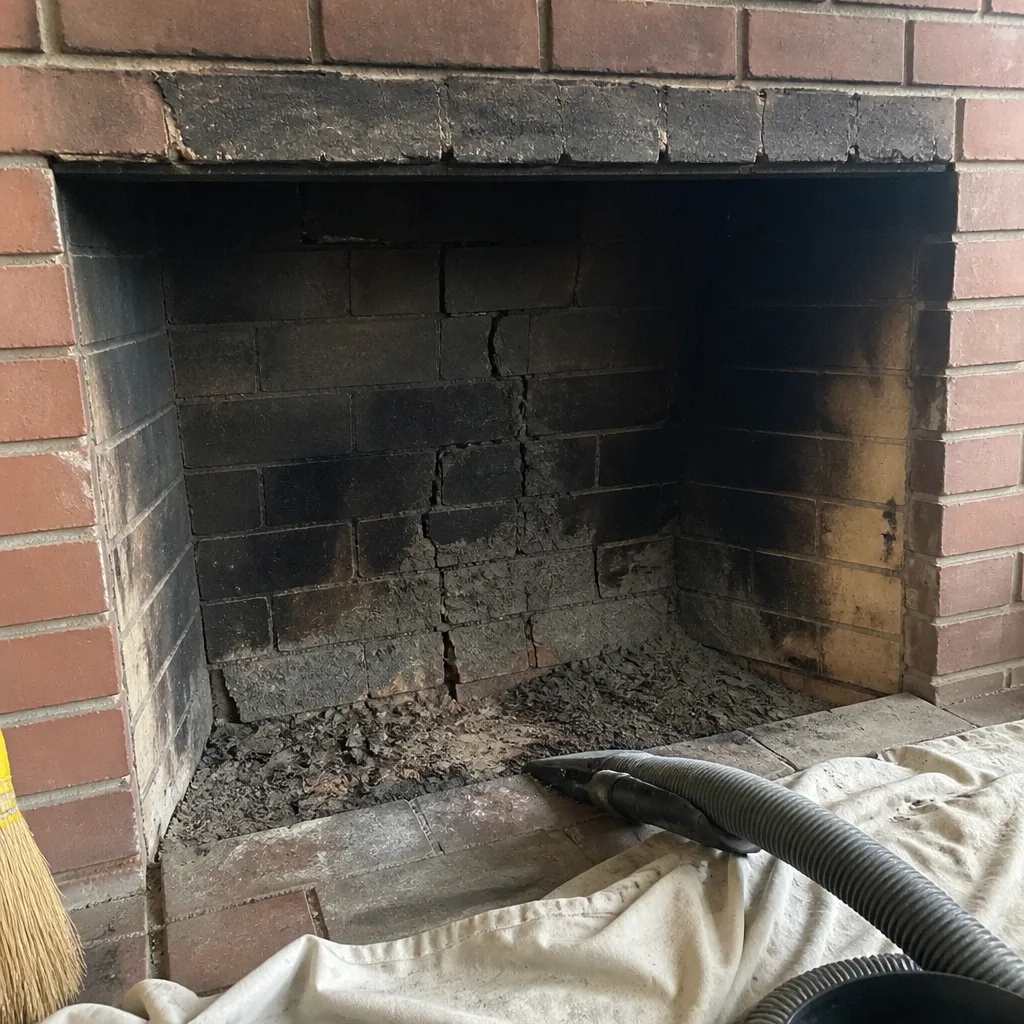 Before
 After
 Before
 After
When to Call a Professional
Any of the following should get a call to a certified sweep rather than a do-it-yourself attempt: visible creosote at the firebox or smoke shelf, smoke entering the room during burns, cracks in firebox brick or mortar, a crown with spalling or separation, a cap that’s been knocked loose or bent, a damper that won’t seal, or a log of “our last sweep was years ago.” Also call if you are buying or selling a home in Chico and need a formal inspection for the transaction. Chimney Sweep Chico offers free estimates in Chico for all three of our core services: sweeping, inspection, and repair. Call (844) 320-4731. We answer 24/7. Fast dispatch from 7am to 7pm, Sunday through Friday. Our technicians have up to 8 years of experience, and every repair we quote is tied to a named product spec.
Frequently Asked Questions
Once a year at minimum, and twice a year if you use wood as a meaningful heat source through the burning season. In practice, that means a spring sweep and an October sweep for heavy users, and a single fall sweep for occasional burners. If you’ve burned more than a cord of wood since your last sweep, add an inspection before you light the next fire.
Yes, and mostly because “no problems” is what a chimney looks like right up until the day it isn’t. An annual inspection with a written report catches the changes you can’t see from the firebox: interior liner cracks, small crown damage, weak mortar at the stack. Those are exactly the issues that grow quietly between seasons. The report is also the documentation you’ll need when you sell the house or file a claim.
Ask to see the camera footage. A liner recommendation should always be backed by visible evidence inside the flue: cracked tiles, gaps at the joints, or a liner the wrong size. If your sweep can’t show you the footage, get a second opinion. If the footage shows damage, resurfacing with HeatShield may be an option instead of full liner replacement, but that’s a judgment call a trained eye has to make on the evidence.
A sweep removes creosote, soot, and debris from the flue, firebox, and smoke shelf. An inspection evaluates the chimney’s overall condition: liner integrity, cap, crown, flashing, firebox, and flue sizing. Both are important, and in a proper seasonal service, you get both. Our three core services are sweeping, repair, and inspection, and we do all three, so you’re not left with a report and no one to act on it.
Look at the smoke shelf and the firebox walls with a flashlight. Black, sooty residue that brushes off easily is normal soot. Shiny, tar-like buildup, especially in flakes or glaze inside the flue, is creosote at a stage that requires a professional sweep to remove. The more you burn unseasoned wood or run the fire cool and slow, the faster it builds.
No, not until a certified sweep has inspected the whole flue and cleared it. Chimney fires can crack liner tiles, damage mortar joints, and warp dampers in ways that aren’t visible from the firebox. Lighting another fire before that inspection is how a chimney fire becomes a house fire. If you’ve had one, call us and we’ll get you on the schedule for an inspection with documented findings.
The Bottom Line
A Chico chimney checklist isn’t a once-a-year call; it’s a yearly rhythm built around the valley’s seasons. Close out the burn season in April and May. Check the cap and crown monthly through summer wind and heat. Clear your ash before the dry spell. Open the season in October with a documented sweep and inspection. Between those, watch your damper, smoke shelf, and firebox, and keep every report and photo in one folder. Do those things and your chimney, your records, and your resale value all move in the right direction. When something needs a trained professional, call (844) 320-4731 for a free estimate.
Written by the team at Chimney Sweep Chico.