
Last updated November 16, 2026
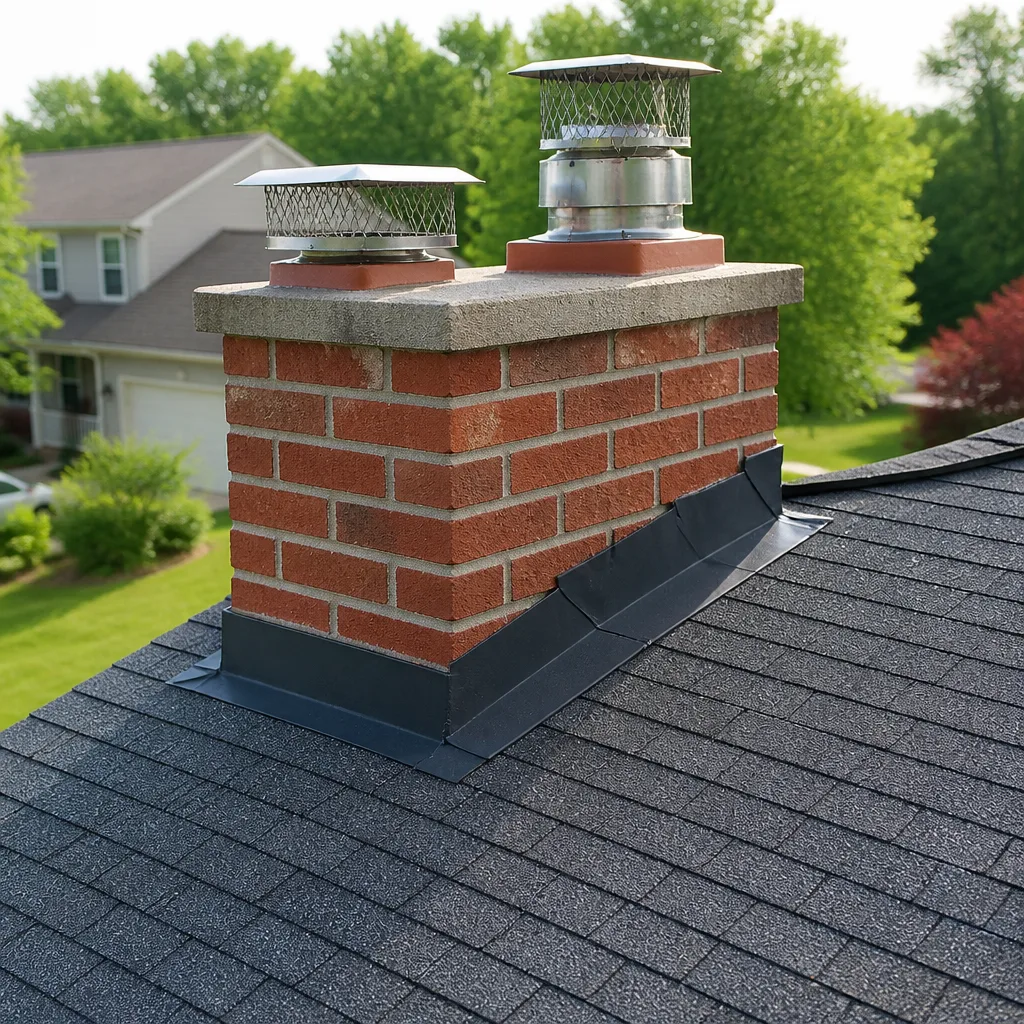 Sweep & inspection
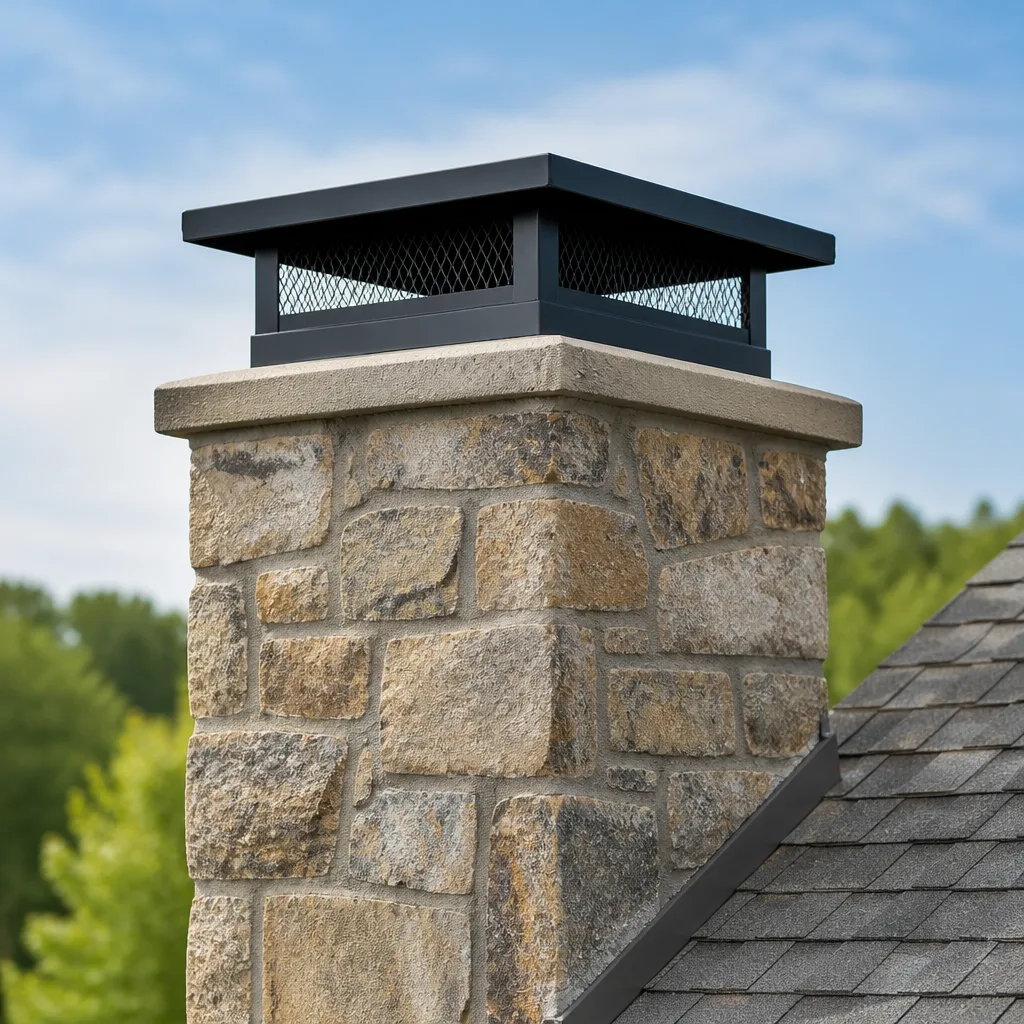 Caps & crowns
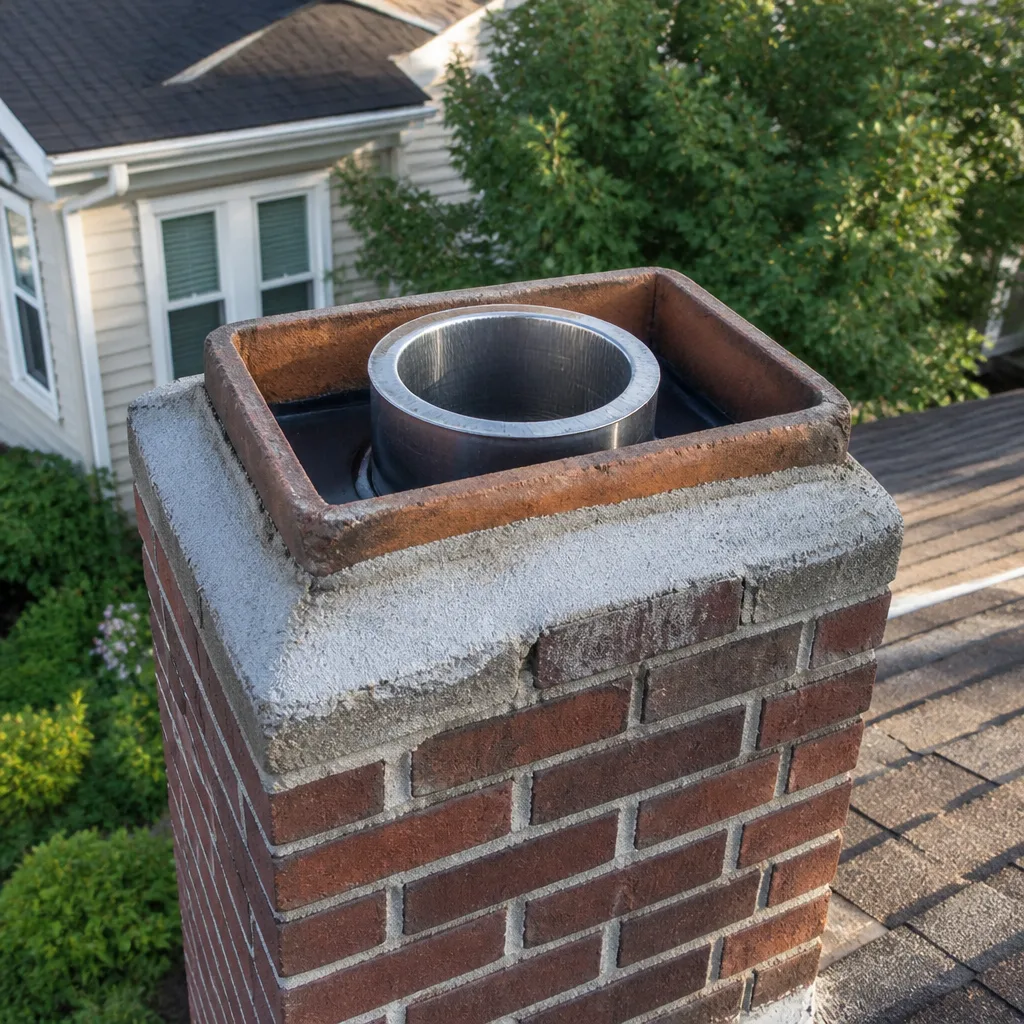 Flue relining
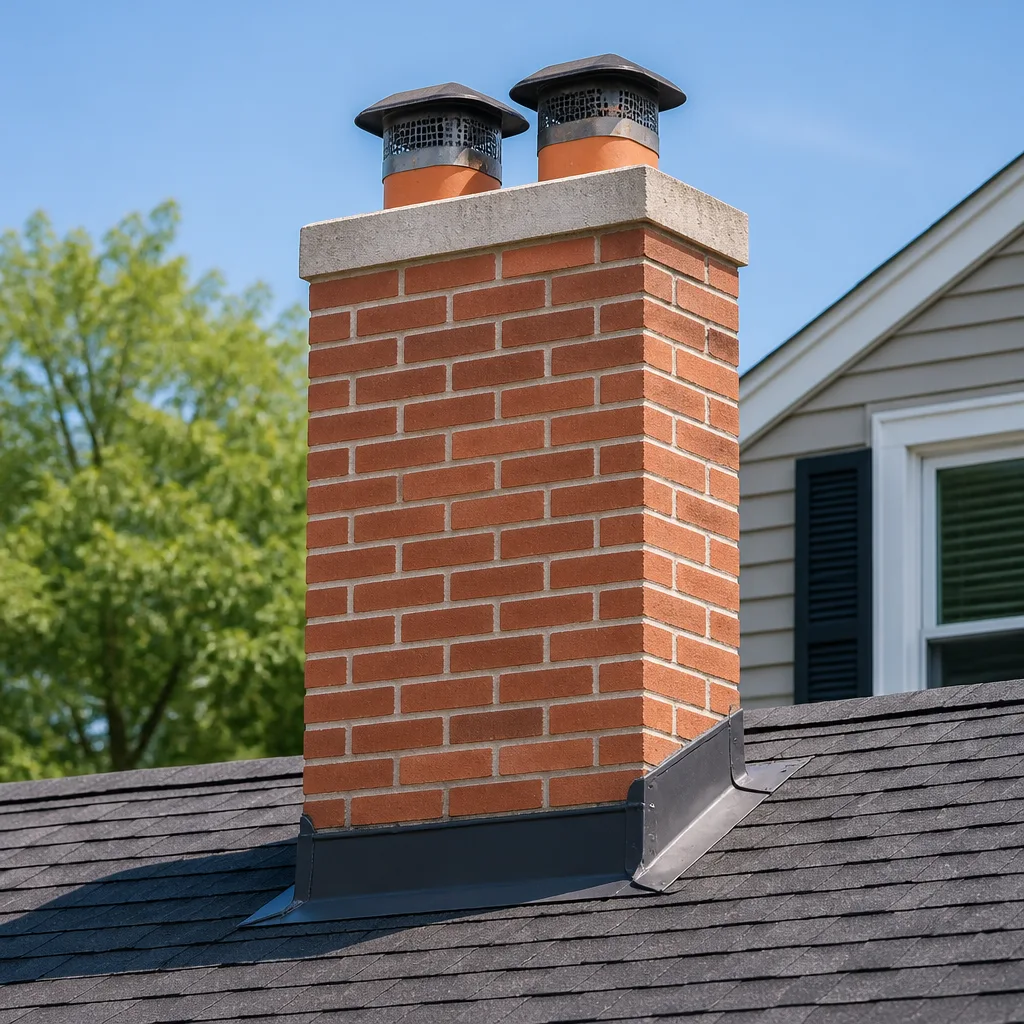 Masonry repair
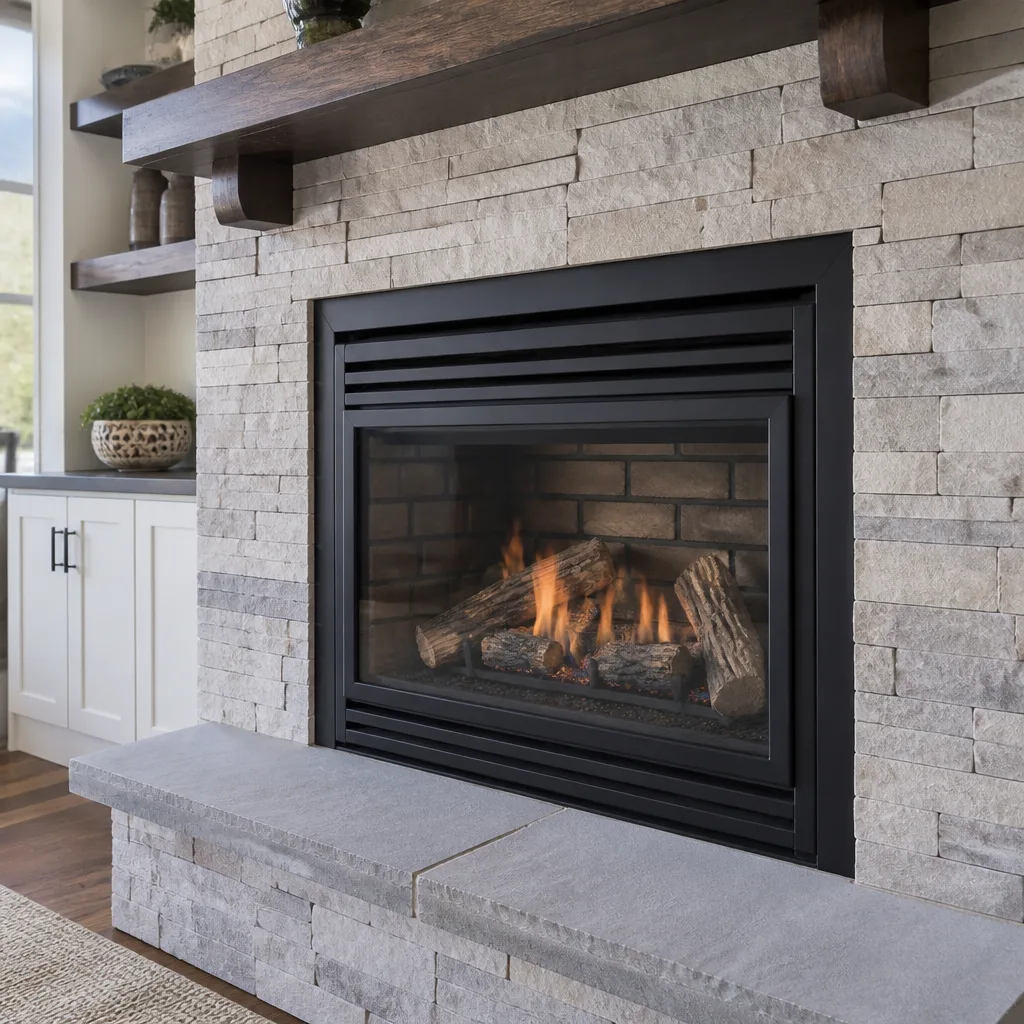 Gas fireplace service
Level 1 sweep and inspection to the NFPA 211 annual standard - flue, crown, cap, and flashing checked and photographed
Chimney sweep logs do not sweep chimneys. They loosen some creosote - which then falls where a brush and vacuum still have to collect it.
Chimney Cleaning Permits, Codes & Inspections in Chico, CA: What You Need to Know
Most homeowners assume a chimney sweep is a broom-and-vacuum job with no paperwork attached. That holds true for a routine cleaning. But the moment a sweep recommends a liner repair, an insert installation, or a fitted cap, California building code and Butte County permitting can come into play, and the documentation obligations shift. A relining job performed without the required Butte County permit can leave your homeowner’s insurance coverage for fire damage on shaky ground, because the contractor’s invoice proves the work happened, not that it was ever inspected. This guide walks through exactly when permits matter in Chico, what the inspection process looks like, how air quality rules shape what a sweep can recommend, and why a paper trail of manufacturer-listed products matters at resale and during a claim.
Quick Answer
Routine chimney cleaning in Chico does not require a permit. Repairs and installations that alter the flue, the chimney structure, or the appliance connection usually do, and those fall under California Residential Code Section R1003 and are administered locally by the Butte County Building Division. A proper inspection produces written findings you keep, and any repair should be tied to a manufacturer-listed system so the work is documented and code-compliant.
Styles & brands we work with
- Sweep & inspection
- Caps & crowns
- Flue relining
- Masonry repair
- Gas fireplace service
Table of Contents
- Does Chimney Cleaning Require a Permit in Chico?
- What California Residential Code R1003 Actually Covers
- How the Butte County Building Division Handles Chimney Permits
- Title 24, Dampers, and Liner Upgrades
- BCAQMD Rules and What They Mean for Your Sweep
- What a Real Chimney Inspection Produces
- Why Manufacturer-Listed Installs Protect You
- Common Mistakes to Avoid
- When to Call a Professional
- Frequently Asked Questions
Does Chimney Cleaning Require a Permit in Chico?
No. Routine chimney cleaning in Chico does not require a permit. A sweep removes creosote, soot, and debris from an existing flue that was already permitted when it was built. The work is maintenance, not construction, and the building department has no reason to open a file on it. If a sweep tells you a basic cleaning needs a permit, ask what alteration they’re actually planning, because something has changed.
The line between cleaning and permitted work is where most homeowners get caught off guard. Cleaning is maintenance. Anything that changes the chimney system is construction. In our experience working in Chico, the confusion usually surfaces when a sweep finishes cleaning, finds damage, and recommends a repair in the same visit. That recommendation is often correct, but the repair itself may need a permit, and the homeowner deserves to know that before signing anything.
Here’s roughly where the line falls:
- No permit typically required: sweeping, visual inspection, cap replacement with a same-size fitted cap, minor mortar repointing above the roofline that doesn’t alter structure.
- Permit typically required: relining the flue, installing a wood or gas insert, changing the flue diameter, rebuilding a chimney above the roofline, adding a new appliance connection.
- Ask the building department: anything you’re unsure about, especially when a repair involves opening walls or altering the firebox.
Chico’s older housing stock includes plenty of homes with masonry fireplaces built decades ago, some with clay tile flues that have reached the end of their service life. When a sweep finds cracked tile, the correct next step isn’t a verbal warning. It’s a written finding, a discussion of repair options, and a clear answer on whether the repair that follows requires a Butte County permit.
What California Residential Code R1003 Actually Covers
California Residential Code Section R1003 is the chapter that governs chimneys and fireplaces in residential construction. It addresses chimney construction, flue sizing, clearance to combustibles, hearth extension dimensions, and the requirements for factory-built and masonry fireplace systems. If a repair or installation touches any of that, R1003 is the standard the work has to meet.
For a homeowner, the practical meaning is this: the person doing the work needs to be building to a published standard, not improvising. R1003 sets the minimums. A flexible liner sized to the appliance, installed with correct clearances and proper termination, meets those minimums. A liner jammed into a flue with the wrong diameter or a termination that doesn’t clear the roof correctly does not, even if it looks fine from the ground.
Two things R1003 does that matter on a real job in Chico:
- It establishes flue sizing requirements tied to the appliance. Installing a liner that’s too large for a wood stove degrades draft; one that’s too small restricts it. The right size is a calculation, not a guess.
- It requires clearance between the chimney and combustible framing. When we open a wall or access a chase and find insufficient clearance, that’s a code issue that a cleaning would never surface.
Where a repair involves the flue liner itself, this is the point at which the conversation moves from maintenance to construction. HeatShield resurfacing, for example, restores damaged clay tile in place, which can avoid a full tear-out, but the resulting flue still needs to perform to R1003 standards and be documented as such. Whether the specific project needs a permit depends on the scope, and that’s a question for the Butte County Building Division before the work starts.
How the Butte County Building Division Handles Chimney Permits
Chimney-related permits in Chico are processed through the Butte County Building Division rather than a city department, and the process itself is not complicated once you know what it involves. What surprises homeowners is that a permit is also an inspection schedule. The permit exists so a third party confirms the work meets code before the job is closed out.
Here’s what the process generally looks like for a chimney project:
- Determine scope and permit requirement. Confirm with the building department whether your specific repair or installation needs a permit. A reline usually does; a cap replacement usually doesn’t.
- Submit the permit application. The contractor or homeowner files the application with project details, product information, and scope of work.
- Obtain permit approval before work begins. The permit must be issued first. Work done before the permit is pulled is unpermitted work regardless of quality.
- Perform the work. Installation follows the manufacturer’s listed instructions and the code requirements in R1003.
- Schedule the inspection. An inspector verifies the installation against the approved scope. Some projects require an inspection at a specific stage, such as before a liner is concealed.
- Receive final approval. The permit is closed out, and you keep documentation of the inspection for your records.
The step homeowners most often lose track of is the final one. A closed permit with a passed inspection is a record that follows the house. It’s what a buyer’s inspector looks for in a resale file, and it’s what your insurer may want to see if a fire claim ever involves the chimney. Ask your contractor for the permit number and the inspection sign-off, and keep both with the appliance paperwork.
Title 24, Dampers, and Liner Upgrades
California’s Title 24 energy code reaches into chimney work in ways that aren’t obvious from the name. Title 24 covers energy efficiency in buildings, and fireplaces and wood appliances interact with it through the damper and through air sealing. A fireplace that pulls conditioned air up the flue and out of the house when it’s not burning is an energy loss, and the code has requirements addressing it.
Where this becomes relevant in Chico is during repairs and upgrades rather than during a cleaning. If a sweep finds damage and the repair involves replacing the damper assembly or installing an insert, the new equipment has to meet the current energy and appliance requirements, not just the old standard. This is one reason a repair recommendation should be specific about the product being installed. A generic “damper replacement” tells you nothing. A named product with a manufacturer specification sheet tells you exactly what’s being installed and what performance it’s rated for.
It’s also why we lean toward fitted, listed products over improvised ones. Gelco and Famco cap systems, for instance, are manufactured components with specifications rather than sheet-metal cut and folded on site, and that distinction matters when a job needs to hold up to review. The same principle applies to dampers and to the appliance connection. If a repair changes how the fireplace system interacts with the building’s energy performance, the product should be documented and the installation should follow the manufacturer’s instructions.
A practical note: don’t let a sweep talk you into a damper or liner upgrade without asking what standard the new product is listed to. The answer should reference a recognized listing, and the paperwork should be left with you.
BCAQMD Rules and What They Mean for Your Sweep
The Butte County Air Quality Management District (BCAQMD) governs wood-burning appliances in this area, and its rules shape what a sweep can legally recommend and when. Chico sits in a valley where winter air inversions trap smoke close to the ground, and wood smoke is a significant contributor to local air quality problems during the burning season. The district’s rules exist for that reason.
For homeowners, the practical effects are worth understanding before you book a sweep:
- Appliance rules: BCAQMD has requirements around what wood-burning appliances can be installed and operated in the district, and those requirements have tightened over time. An older, uncertified stove may not be legal to replace in kind if it fails.
- Burn restrictions: During declared no-burn days, wood burning is restricted, and those days are more common when the air is stagnant. A sweep can’t change that, but it’s useful context for how you use your fireplace.
- What a sweep can recommend: If cleaning reveals that an appliance needs replacement, the recommendation needs to account for what’s legal in the district. Recommending an appliance that can’t legally be installed in Butte County wastes your money and your time.
This is also where the repair and inspection side connects back to air quality. A chimney that drafts poorly pushes more smoke into the neighborhood and into your home. Correcting a flue sizing problem or a damaged liner improves draft and reduces smoke, which is a real benefit in a valley where winter air gets thick. When we document findings and recommend a fix, the recommendation is grounded in both the code and the local air quality rules, not in a sales target.
What a Real Chimney Inspection Produces
A proper chimney inspection produces a written report with photographs, not a verbal thumbs up from the roof. That distinction is the whole point of the service. The findings need to be specific enough that you can understand them, keep them, and hand them to a contractor, a buyer, or an insurer.
Here’s what a documented inspection includes:
- A visual examination of accessible components. The firebox, damper, smoke chamber, flue, cap, and exterior chimney are checked for condition and for clearance to combustibles.
- A camera inspection of the flue. A camera run through the flue shows the interior condition of the tile or liner, which a visual check from the top and bottom can’t fully reveal.
- Photographs of what was found. Images tied to specific locations in the system, not a generic set of photos.
- A written summary of findings. What’s in good condition, what’s deteriorating, what’s a code concern, and what’s a safety concern.
- Recommendations with a timeline. What needs attention now, what can wait a season or two, and what’s a monitoring item.
The timeline piece matters more than people expect. Plenty of inspections find a chimney that’s dirty but structurally sound, and the honest answer is that a cleaning and a note to check again next season is all the work needed. Other times, a camera reveals cracked tile that has to be addressed before the next fire. We say plainly which situation you’re in. If a repair can safely wait, we tell you it can wait.
If you want to understand how a cleaning fits alongside an inspection, the chimney sweep page covers the cleaning process and what it removes. The two services work together, and in most cases a cleaning and an inspection happen on the same visit.
Why Manufacturer-Listed Installs Protect You
A repair done with a listed product produces a paper trail that follows the house. A repair done with improvised materials produces an invoice and nothing else. The difference shows up at resale, during an insurance claim, and any time someone needs to verify that the chimney was repaired to a recognized standard.
Manufacturer-listed products carry installation instructions, specifications, and often a listing with a recognized testing body. When those products are installed to spec, the work is traceable. Here’s what that means in practice:
- At resale: A buyer’s inspector who sees a documented liner installation with product information and a closed permit can note it as an upgrade. An undocumented repair raises questions that are hard to answer after the fact.
- During an insurance claim: If a fire claim involves the chimney, the insurer will want to know the work was done correctly. A permit and inspection record, plus product documentation, answers that question. An undocumented reline does not.
- For future service: Knowing a DuraFlex flexible liner of a specific size was installed tells the next technician exactly what’s in the flue and how to service it.
This is why we work with a defined roster of professional-grade brands. A flexible liner system like DuraFlex fits flues with offsets and irregular paths that a rigid liner can’t properly serve, and it’s a listed product with installation requirements. HeatShield resurfacing restores damaged tile without a tear-out, and it’s a recognized repair method rather than a patch. Gelco and Famco caps are fitted components. The brand isn’t the point. The specification is, and a named product is how the specification gets documented.
What that adds up to is one provider handling cleaning, inspection, and repair, so a finding on the inspection doesn’t become a search for a separate contractor. You get the written report and the repair, and both reference the same findings. If you’re weighing repair options, the chimney repair page lays out what different repairs involve and when each one makes sense.
Common Mistakes to Avoid
- Assuming every repair needs a permit, or that none do. Routine cleaning never needs one, and a reline usually does. The mistake is skipping the question entirely and finding out at resale. Ask the Butte County Building Division about your specific scope before work starts.
- Accepting a verbal finding with no photos. A sweep who tells you the flue is damaged but shows you nothing has given you no evidence. A camera inspection with photographs is the standard, and it’s what lets you make a decision you can verify.
- Letting a contractor pull the permit after the work is done. Work performed before the permit is issued is unpermitted work, even if the installation itself is fine. The permit has to come first, and the inspection has to follow.
- Installing an appliance that doesn’t meet BCAQMD rules. Butte County’s air quality district has requirements for wood-burning appliances, and an older uncertified stove can’t always be replaced in kind. Check before you buy.
- Discarding the inspection report and permit records. These documents are the proof that the work was done correctly. Keep them with the appliance paperwork, and pass them along if you sell the house.
- Choosing a repair based on the lowest quote without asking what product is being installed. A generic liner and a listed flexible system can look similar from the driveway. The documentation behind them is not similar at all.
- Skipping the inspection because the fireplace seems to work fine. A chimney can draft acceptably while a liner is cracked. The inspection is how you find out, and it’s the reason the findings are written down.
When to Call a Professional
Call a professional when a cleaning turns up something you can’t verify yourself. Cracked flue tile, crumbling mortar in the smoke chamber, rusted or missing damper components, and a cap that’s been damaged by animals all fall in that category, and none of them can be assessed from the ground. Call as well when you’re buying or selling a home in Chico and need documented chimney condition, when your insurer or lender asks for a chimney record, and when you’re planning an insert or reline and need to know whether a permit applies before the work starts.
The other trigger is seasonal. Before the burning season is when a cleaning and inspection make the most sense, because findings can be addressed on your schedule rather than mid-winter. Chimney Sweep Chico offers free estimates in Chico, call (844) 320-4731. We answer 24/7. Fast dispatch from 7am to 7pm, Sunday through Friday.
Frequently Asked Questions
No. Routine chimney cleaning in Chico does not require a permit because it’s maintenance on an existing system, not an alteration. Permits come into play when a repair or installation changes the flue, the appliance connection, or the chimney structure, such as a reline or an insert installation. If you’re unsure which category your project falls into, the Butte County Building Division can confirm. Call (844) 320-4731 for an exact quote on a cleaning and inspection, estimates are free.
A permitted chimney project typically triggers an inspection by the building department before the permit is closed out, and some projects require an inspection at a specific stage, like before a liner is concealed. The permit exists so a third party verifies the installation against the approved scope. Separately, an annual chimney inspection done by a sweep is how you find out the condition of the flue and when cleaning or repair is due. Call (844) 320-4731 to book one.
Most wood-burning fireplaces in Chico should be swept once a year when used regularly, and more often if you burn heavily or burn green wood. A fireplace used occasionally for ambiance can sometimes go longer, and an inspection tells you whether it can. The honest answer depends on what’s in the flue, which is why the inspection comes first. Call (844) 320-4731 for a free estimate.
You need a new liner when the camera inspection shows cracked or deteriorated flue tile that no longer contains the fire safely, and not before. The way to tell the difference is evidence: a camera inspection with photographs you can look at, showing the specific damage. If you’re shown the damage, you can decide for yourself. If you’re told about damage you never see, ask to see it. Call (844) 320-4731 and we’ll document what we find.
Creosote builds up in the flue, and at sufficient thickness it can ignite, which is how chimney fires start. Blockages from nests or debris can push smoke and carbon monoxide back into the house. A cracked liner can let heat and gases reach framing. None of these are visible from the living room, which is why the inspection matters. Call (844) 320-4731 to schedule before the burning season.
Some do. Title 24 energy code applies to dampers and air sealing, so a repair that replaces a damper assembly or installs an insert should meet current requirements rather than the old standard. That’s one reason the product being installed needs to be named and documented rather than described generically. Ask what the new component is rated to before the work begins. Call (844) 320-4731 for a free estimate.
See the difference
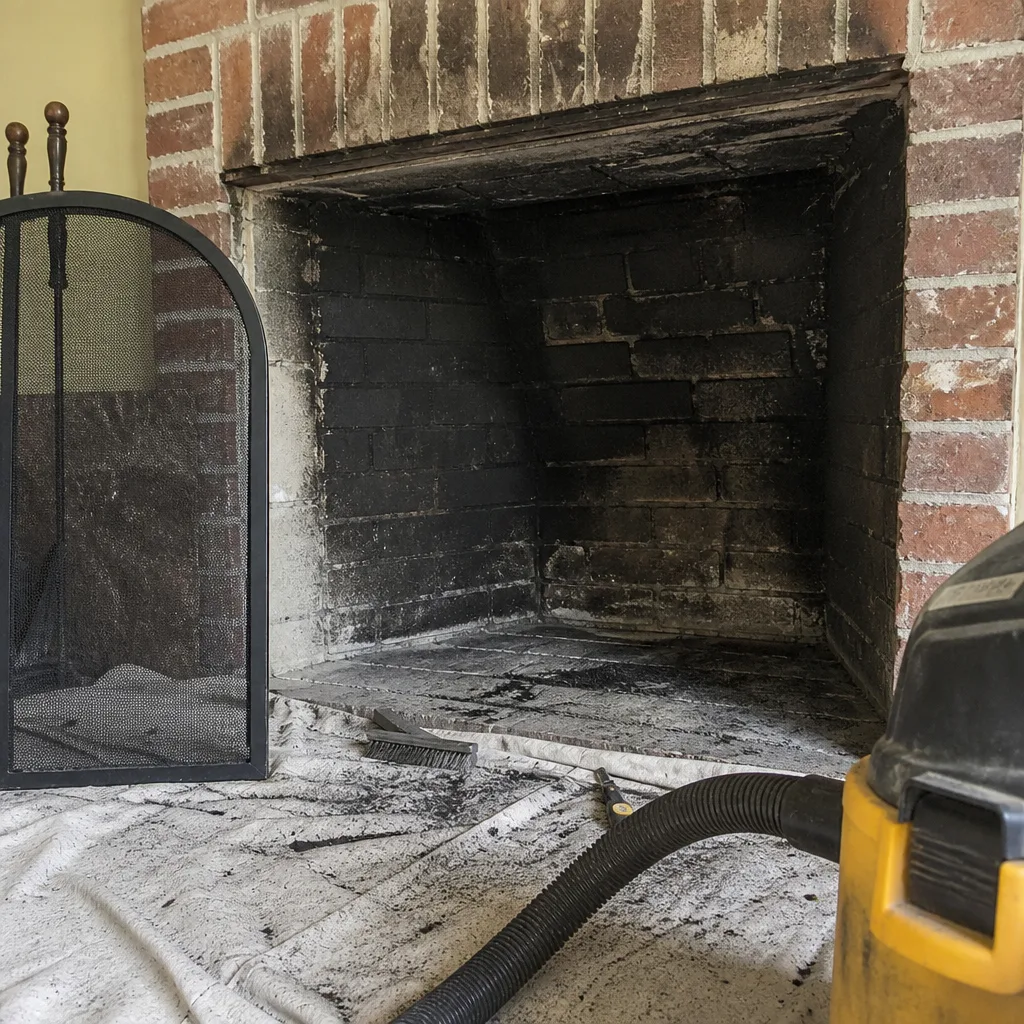 Before
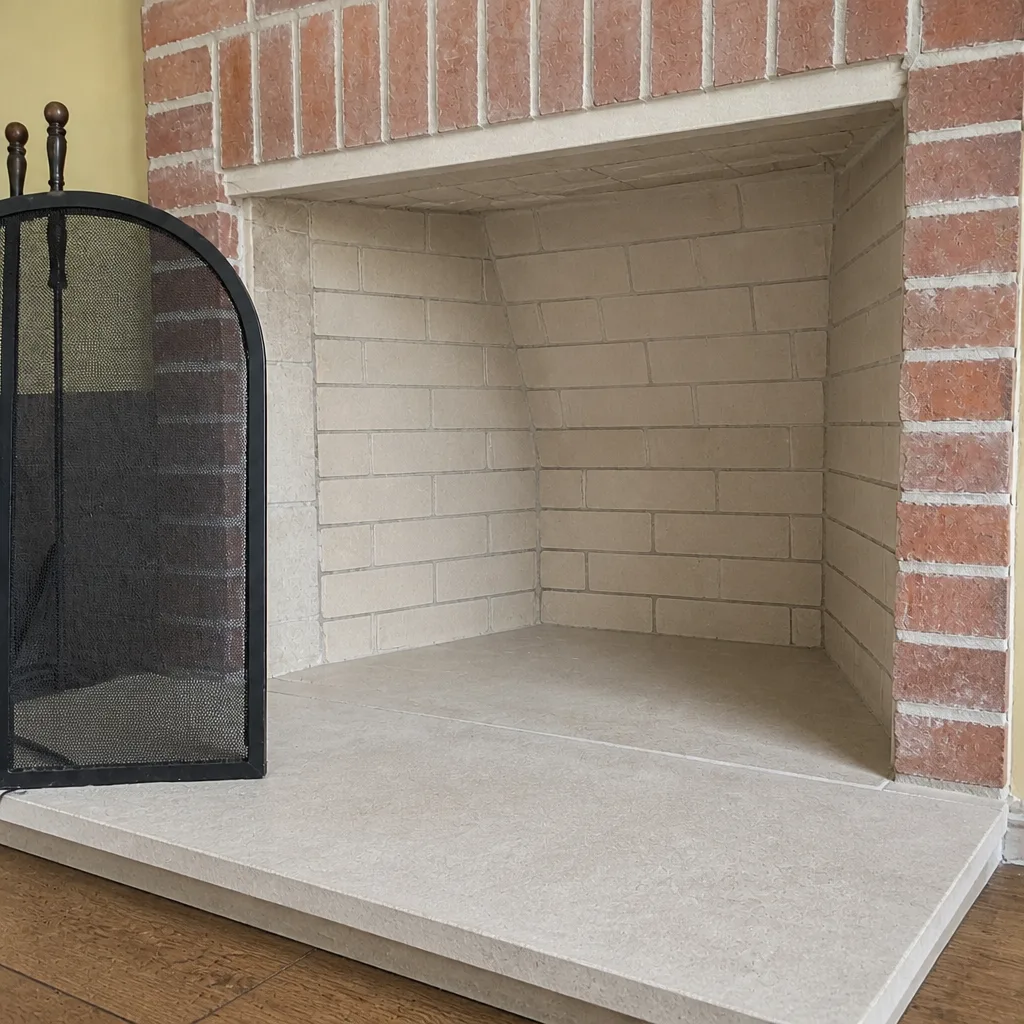 After
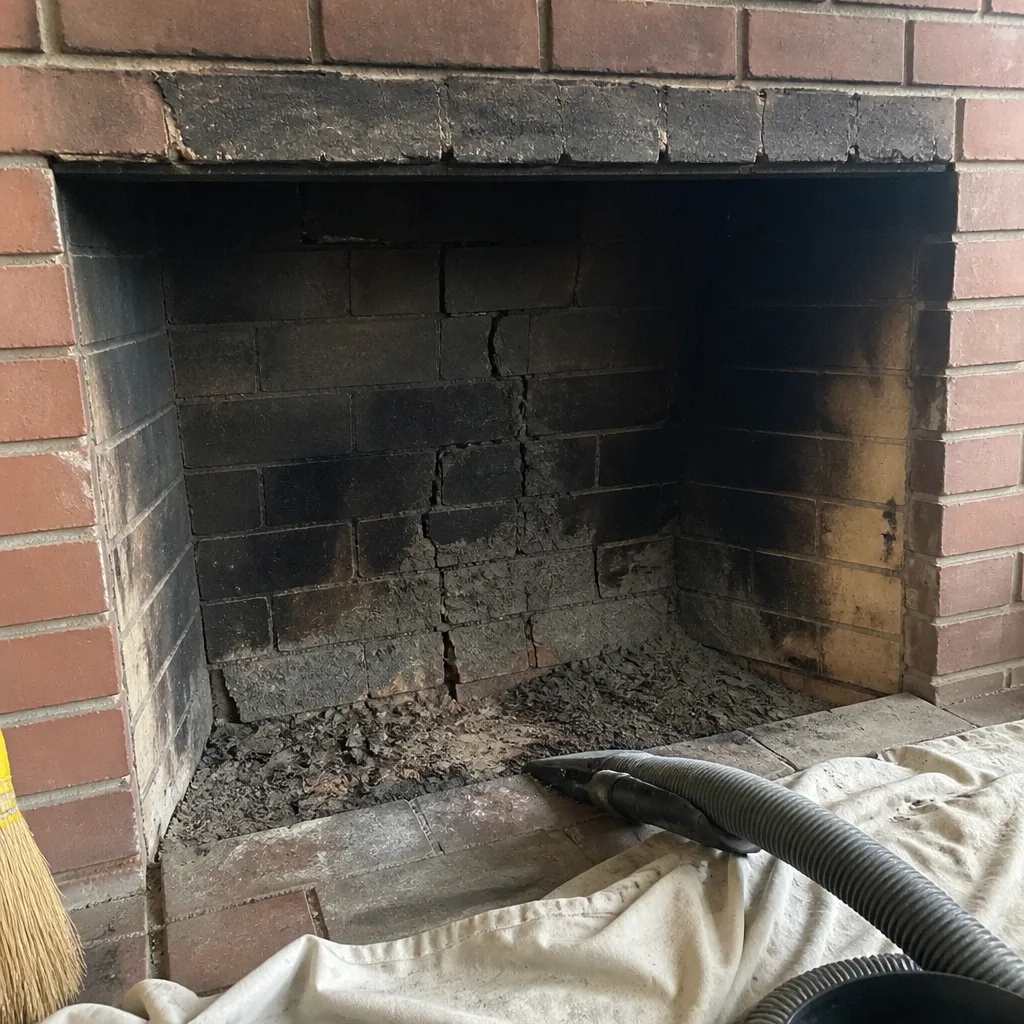 Before
 After
 Before
 After
Key Takeaways
- Routine chimney cleaning in Chico does not require a permit; repairs and installations often do.
- California Residential Code R1003 sets the standard for chimney construction, flue sizing, and clearances.
- Butte County Building Division processes chimney permits, and the permit comes with an inspection.
- Title 24 energy code intersects with damper and liner upgrades after cleaning finds damage.
- BCAQMD rules govern wood-burning appliances and shape what a sweep can legally recommend.
- Documented, manufacturer-listed installs protect you at resale and during an insurance claim.
The Bottom Line
Cleaning your chimney in Chico doesn’t require a permit, but the repairs a cleaning sometimes reveals often do. California Residential Code R1003 sets the construction standard, the Butte County Building Division administers the permit and the inspection, Title 24 reaches the damper and air sealing, and BCAQMD governs what appliances are legal to install. The common thread is documentation. An inspection with photographs, a permit with a passed inspection, and a repair installed with listed products all serve the same purpose: they prove the work was done correctly. That proof matters at resale, during a claim, and every time the fireplace gets used. Start with the inspection, and decide on repairs from evidence you can see. Chimney Sweep Chico handles all three services, so the findings and the fix don’t require separate contractors.
Call (844) 320-4731 for a free estimate. We answer 24/7. Fast dispatch from 7am to 7pm, Sunday through Friday, and we’re closed on Saturday.
Written by the team at Chimney Sweep Chico.